We arrived at The Folk Collaborative in McCaysville, Georgia, a few minutes before opening. Isobella unlocked the doors and welcomed us in. We have visited many times, each return feeling like a homecoming of sorts.
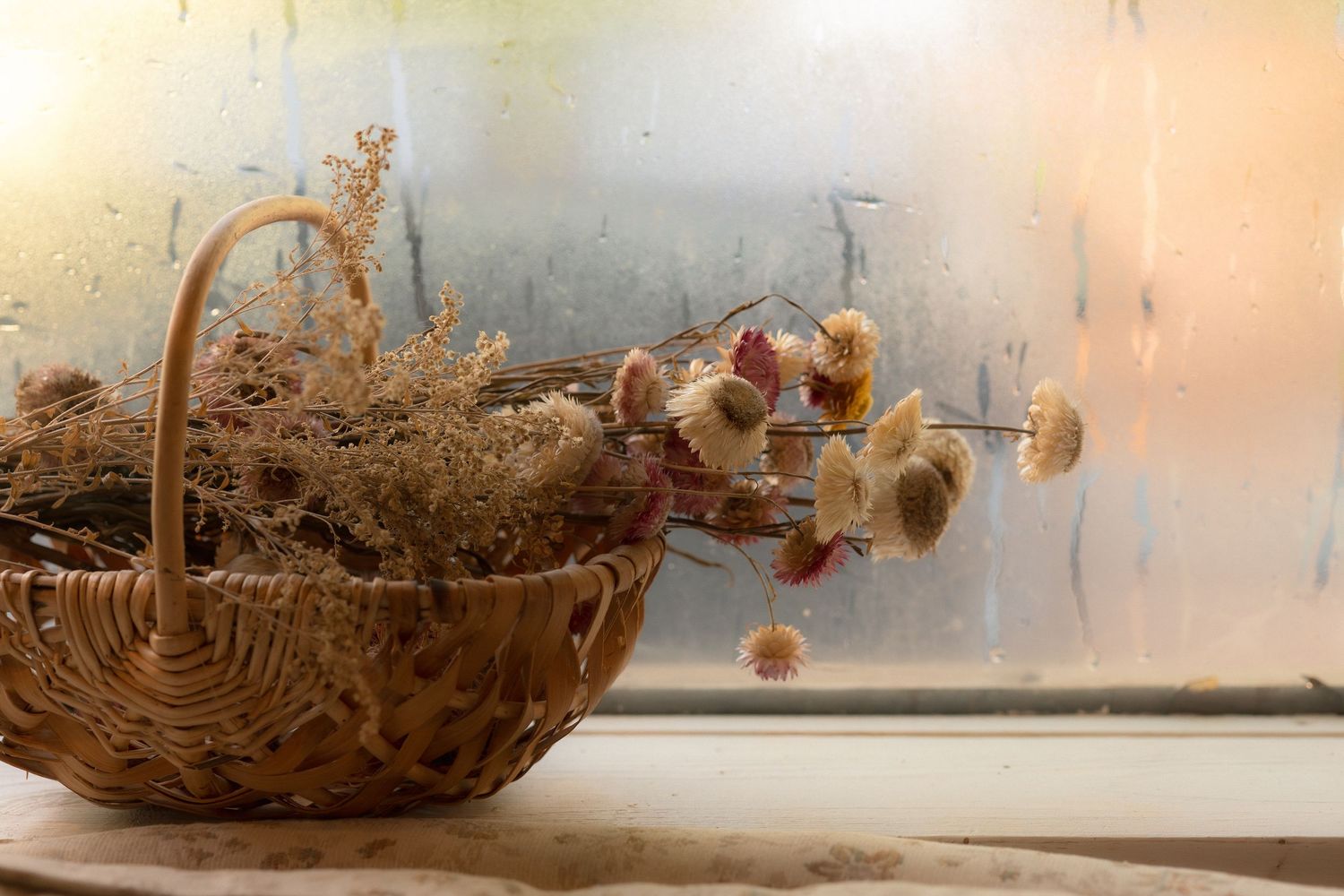
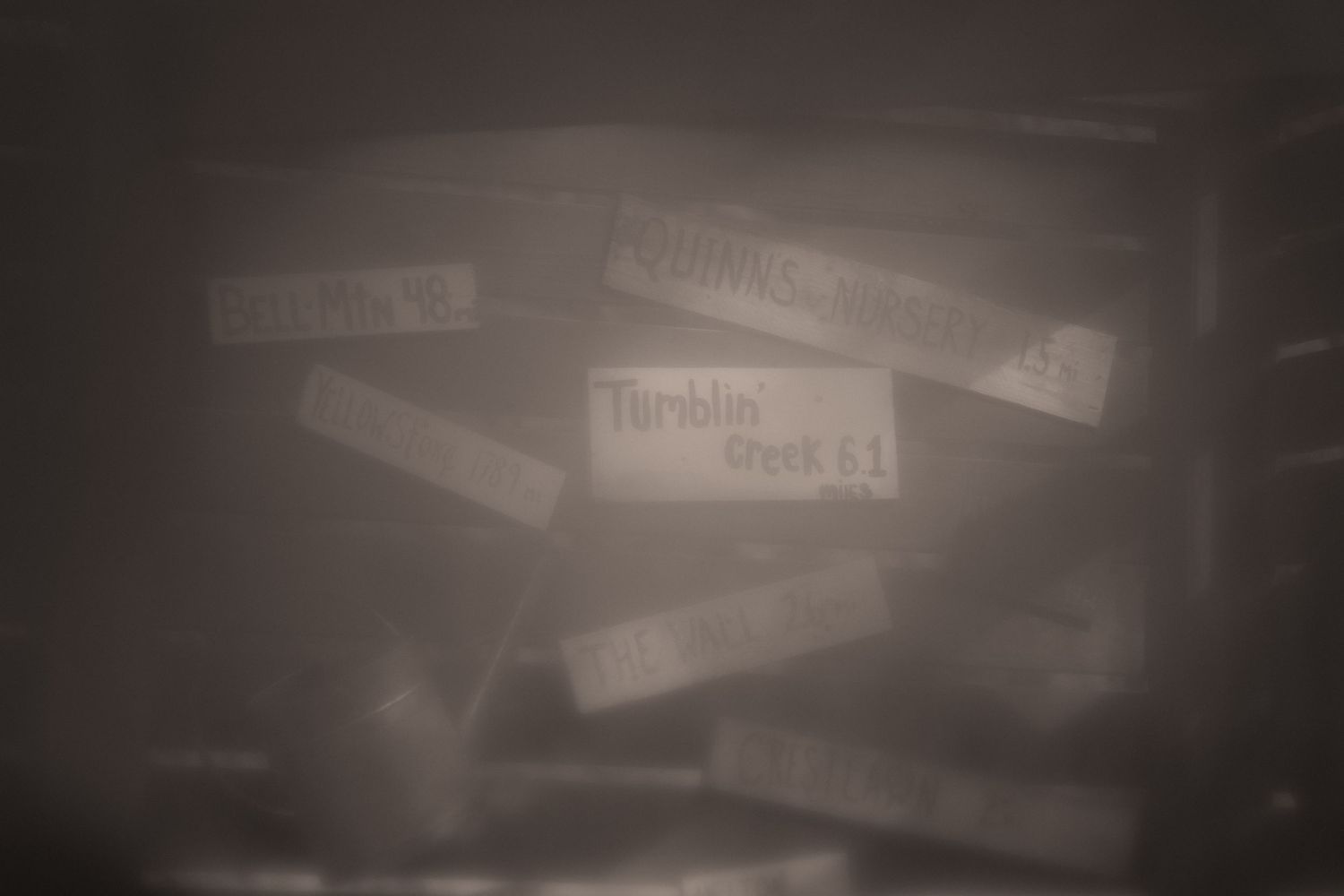
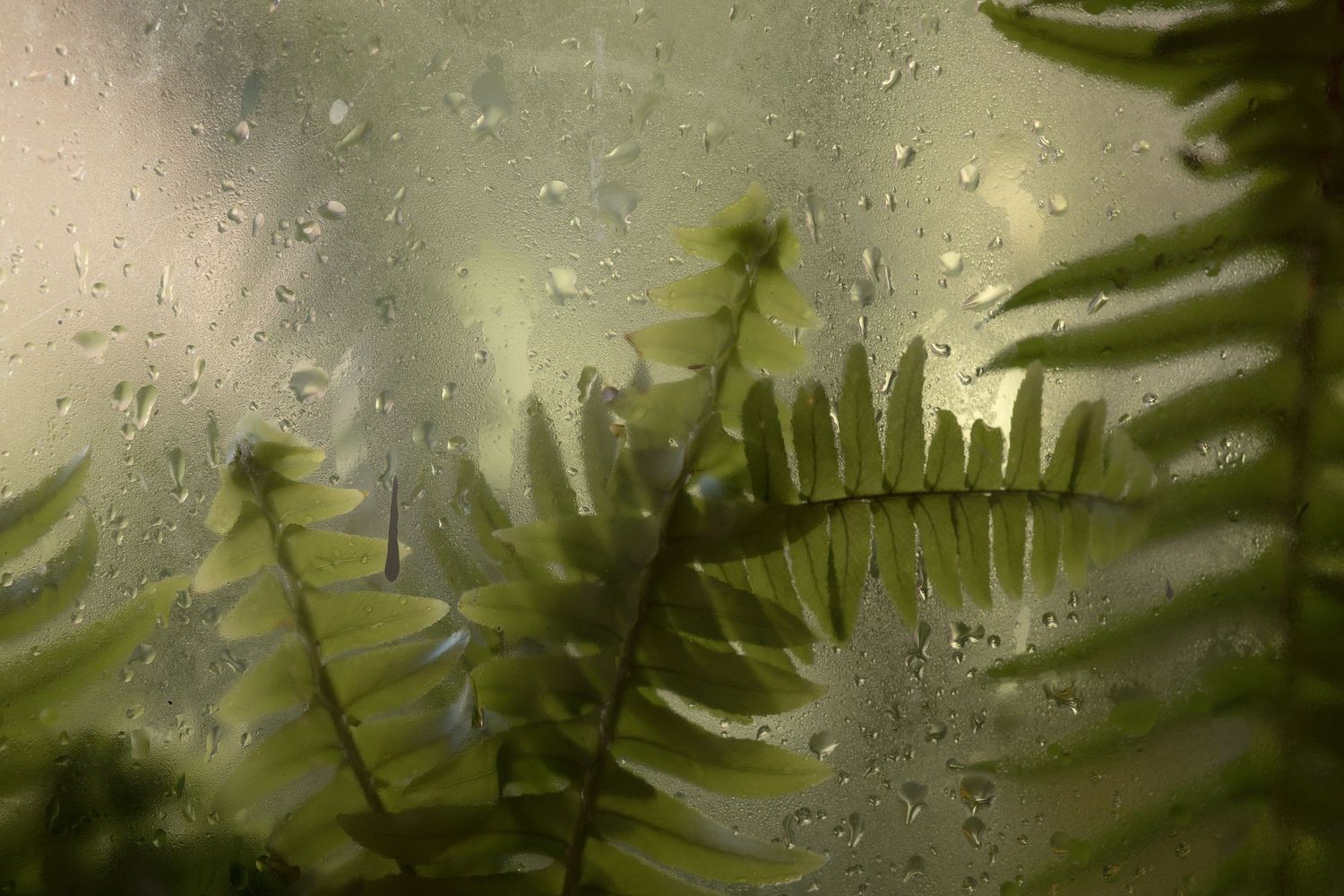
The interior was chilly; a sheet of condensation clung to the windows. Familiar hanging flowers added color and texture throughout, while the mason jars lining the shelves gave the impression of a settler’s cellar.
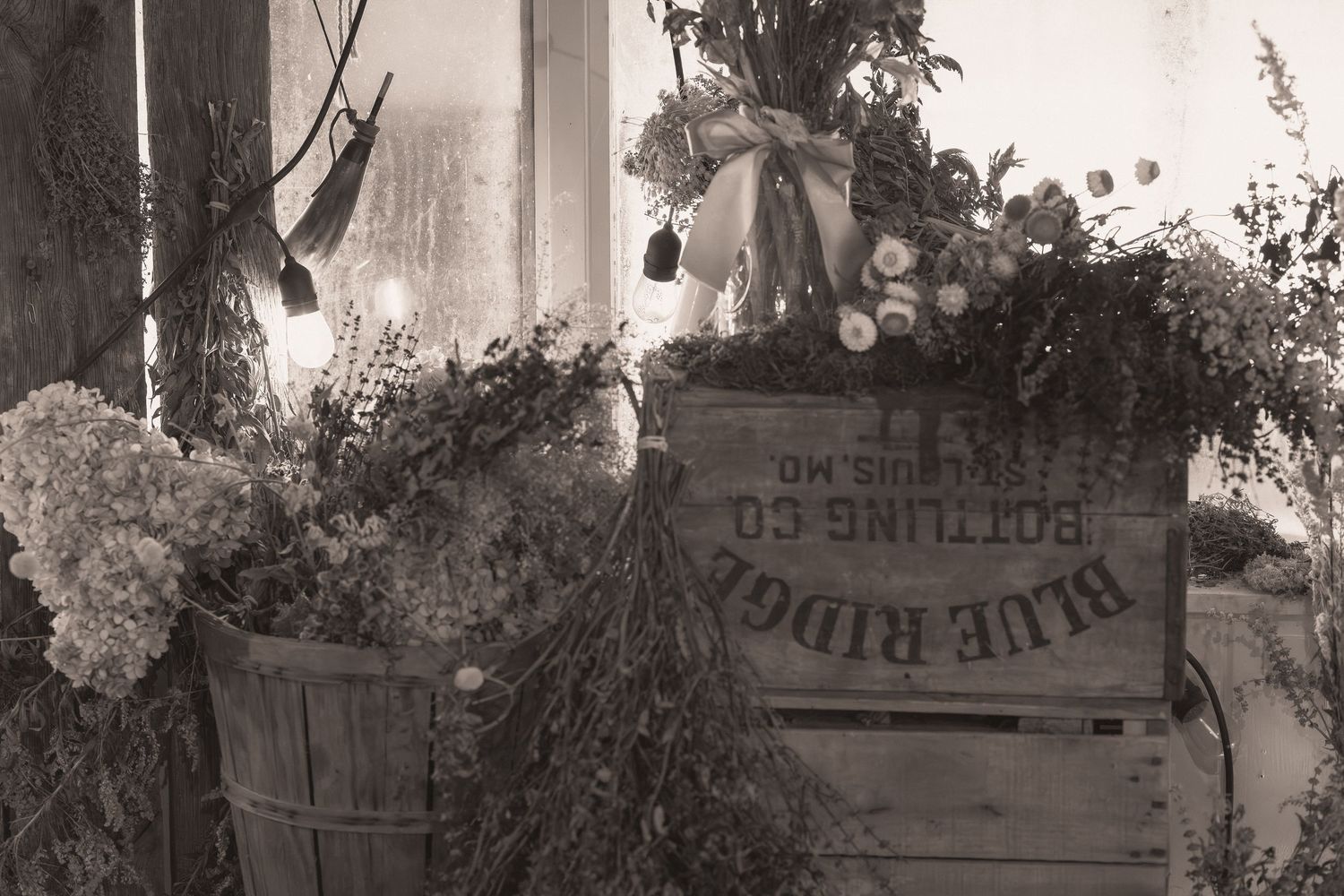
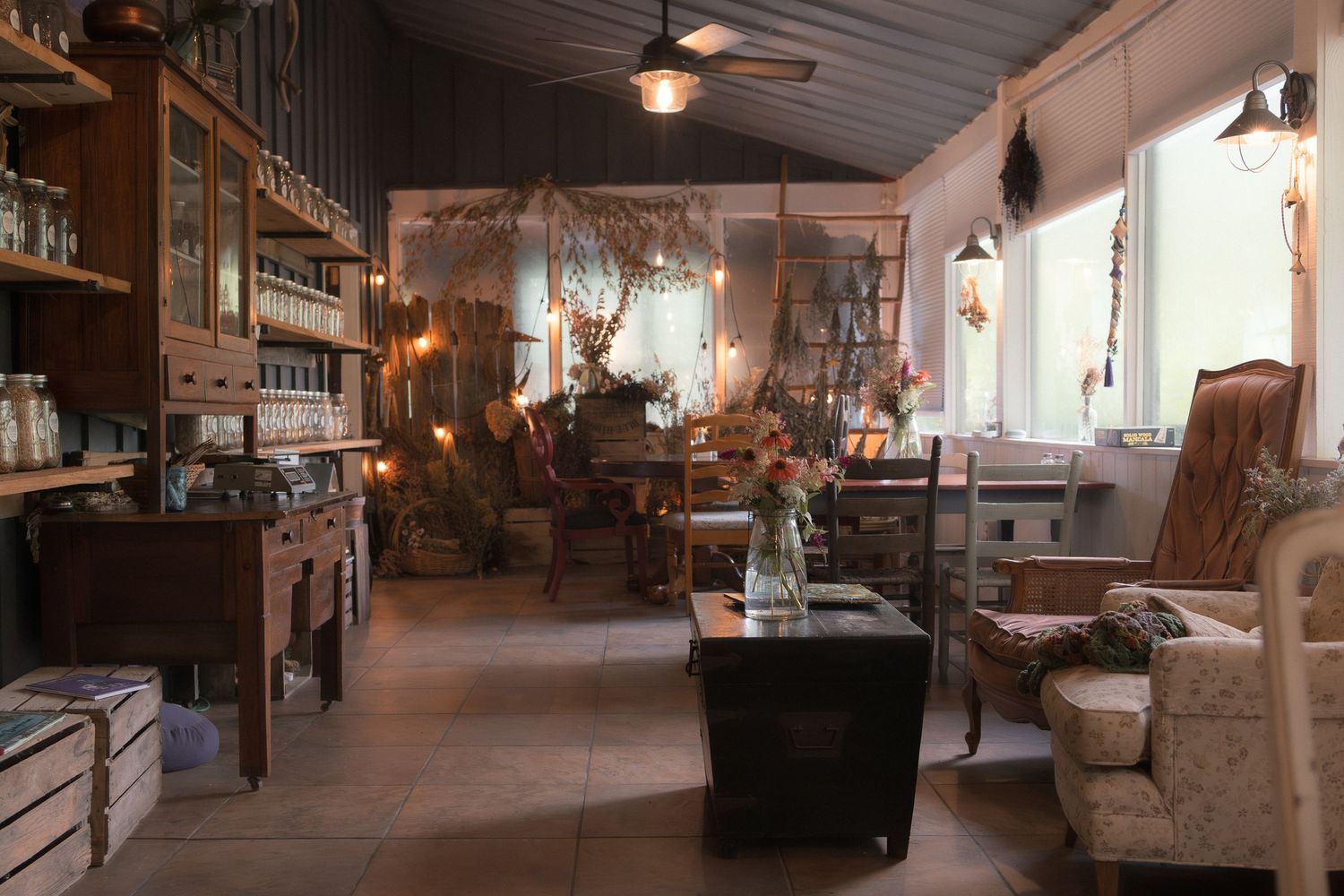
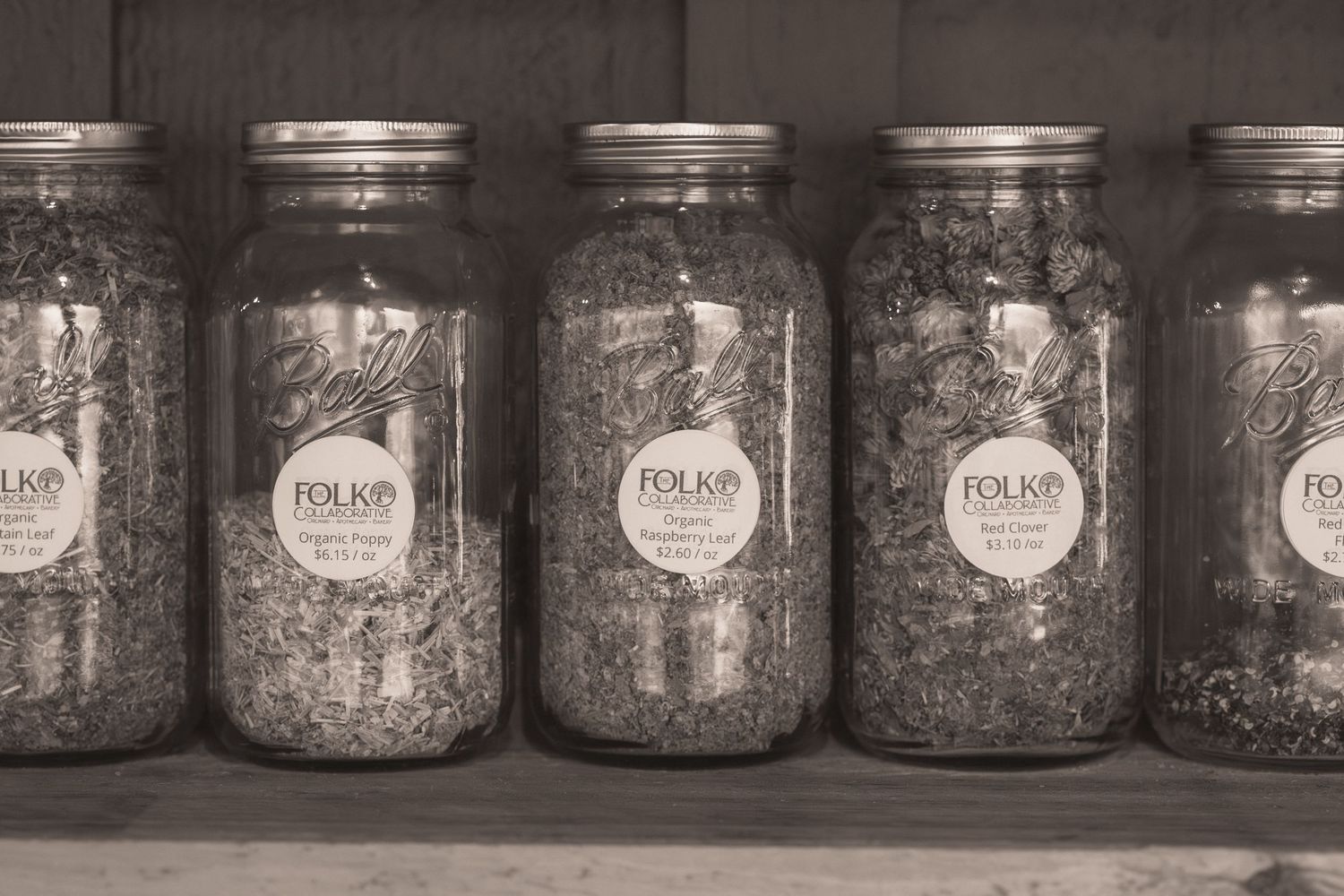
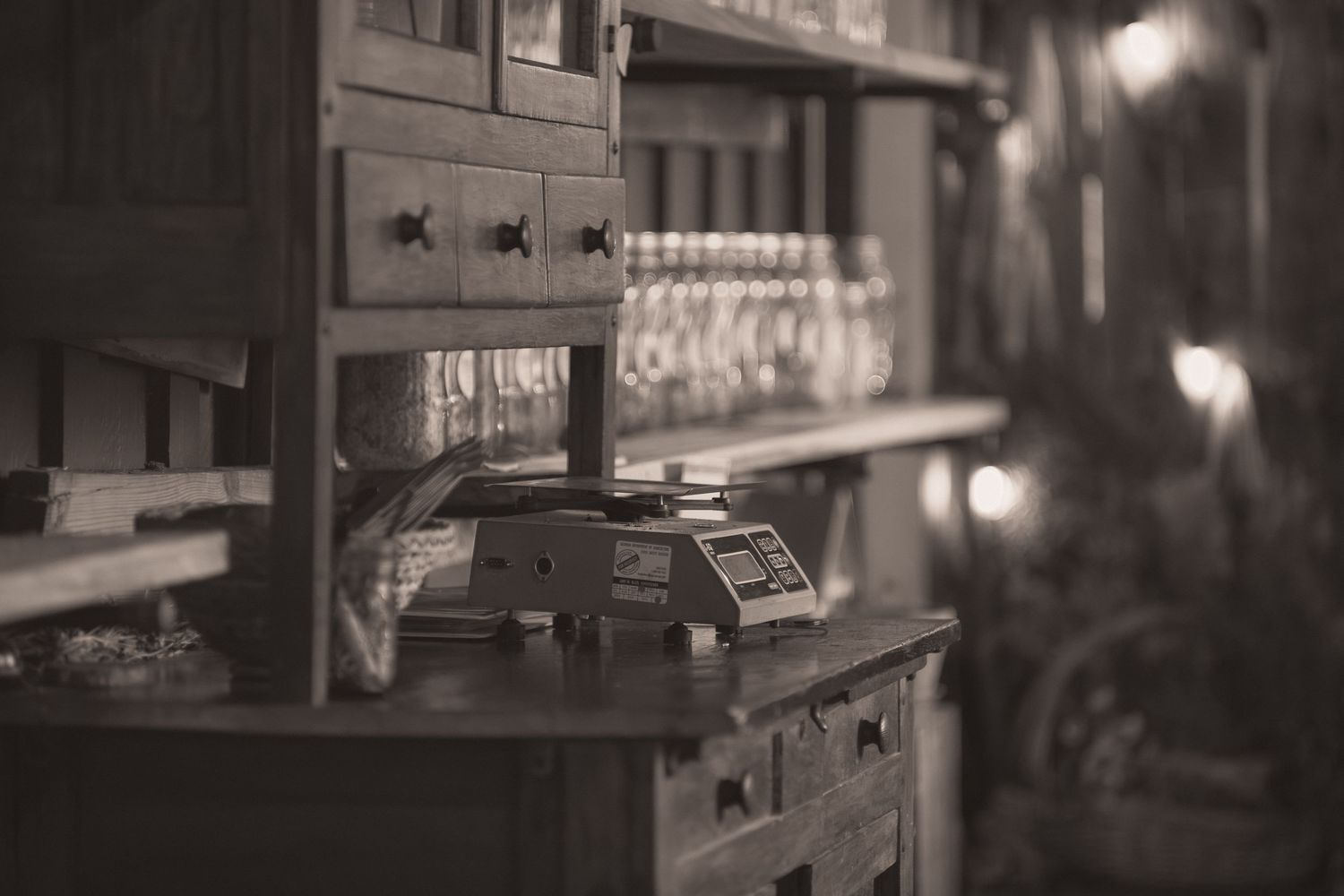
This place is filled with the knowledge of generations past. Tinctures, salves, and natural remedies line the walls. There is a magic to these mountains, something running through the stone that almost feels magnetic, as if anything is possible here.
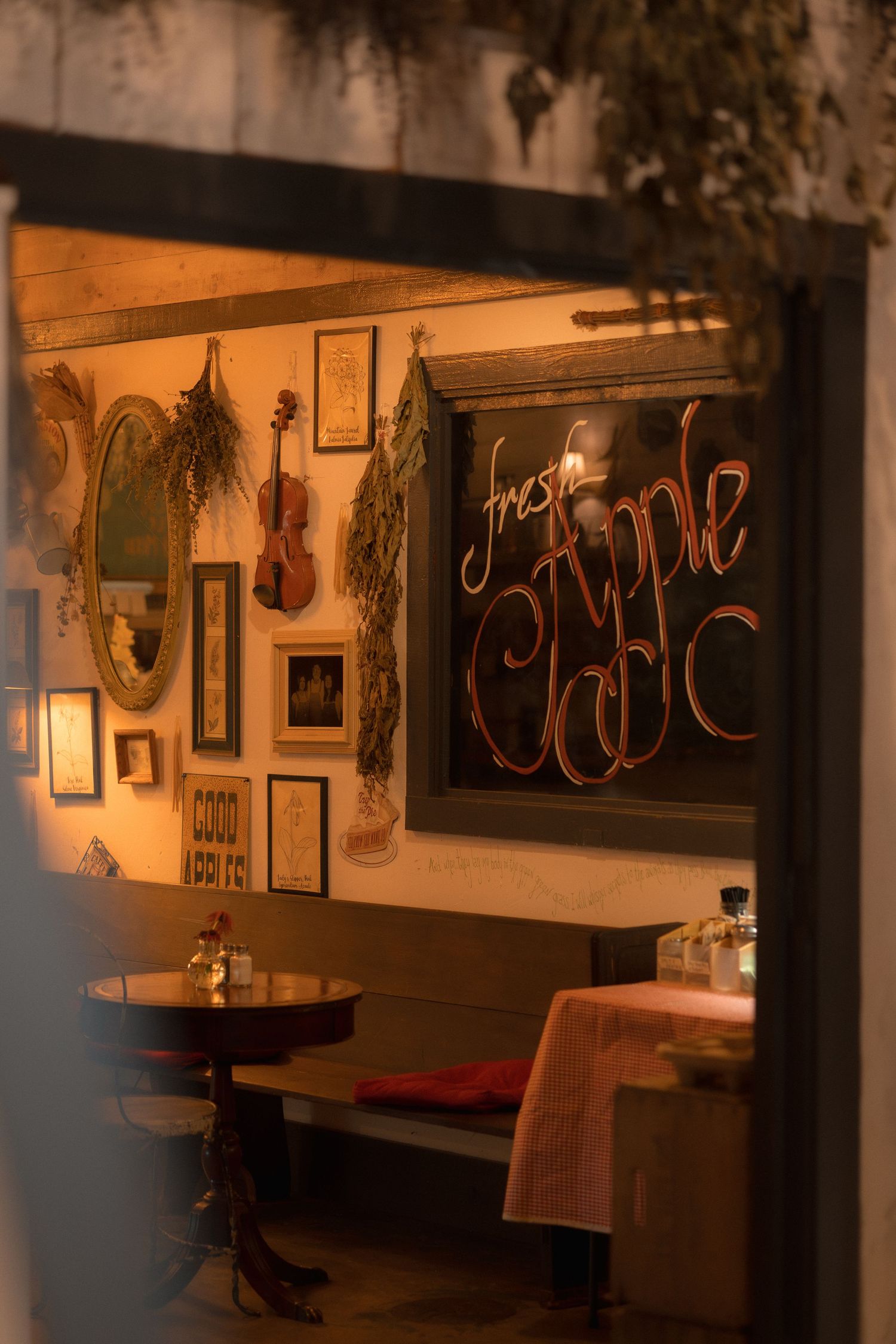
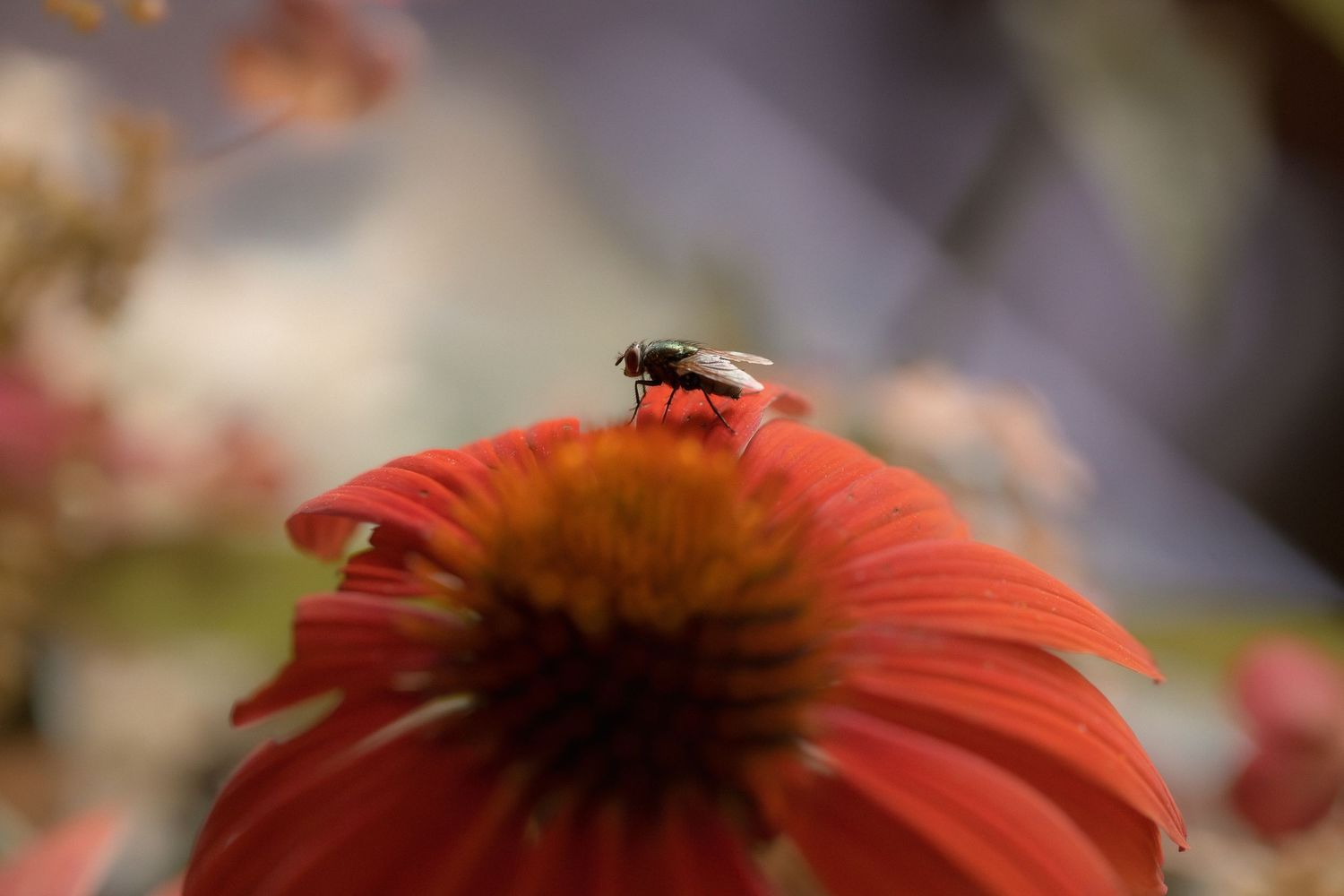
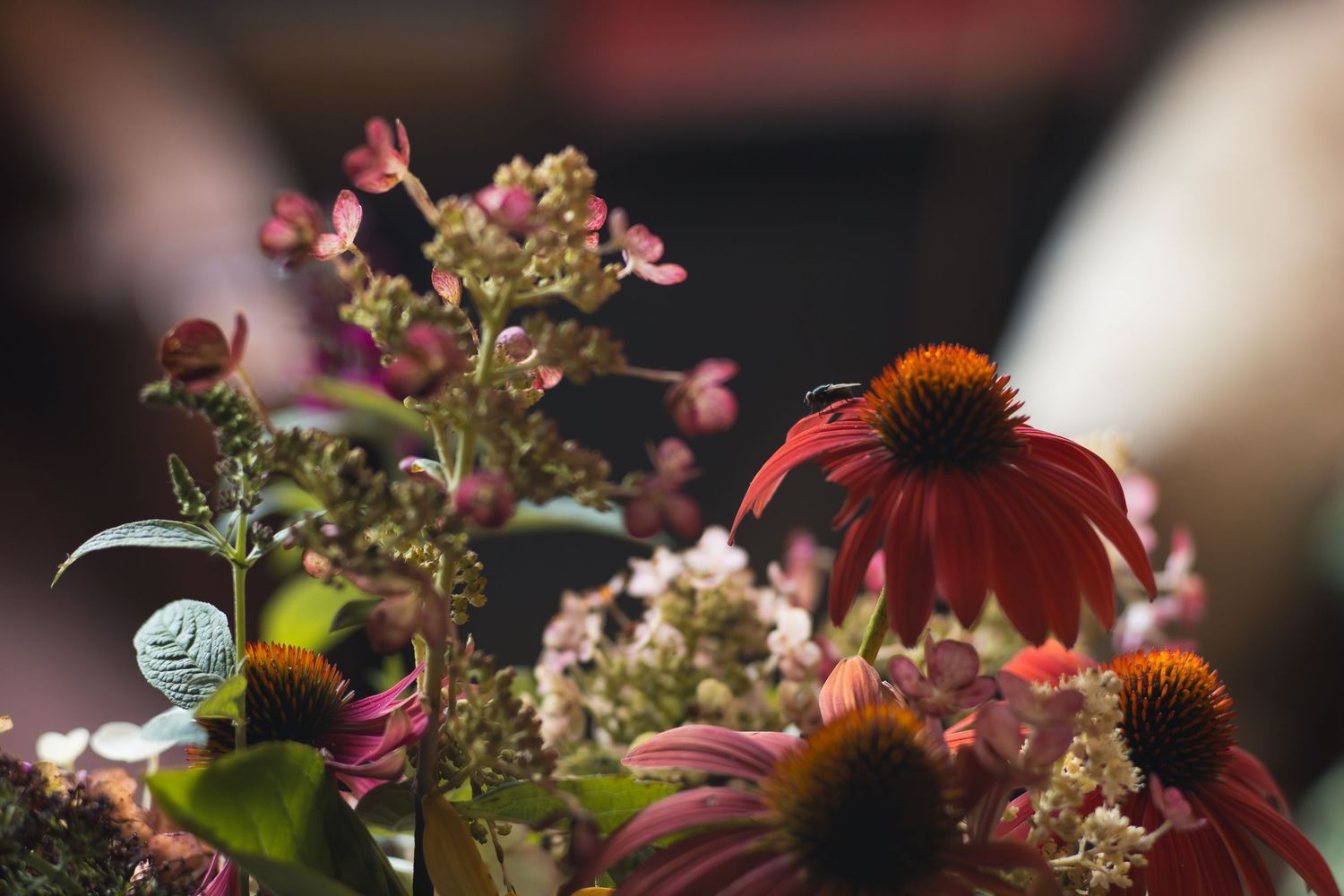
Fresh flowers from the garden immediately captured my attention. A common green bottle fly had found a favorite perch on the petal of a red-orange coneflower. It lingered there grooming itself, and each time I walked by, I found it sitting unmoved.
I never would have guessed that flies would become repeating subjects in my photography. Usually regarded only as pests, they are common visitors in our domestic and work settings. A companion we’d rather not have, but have just the same.
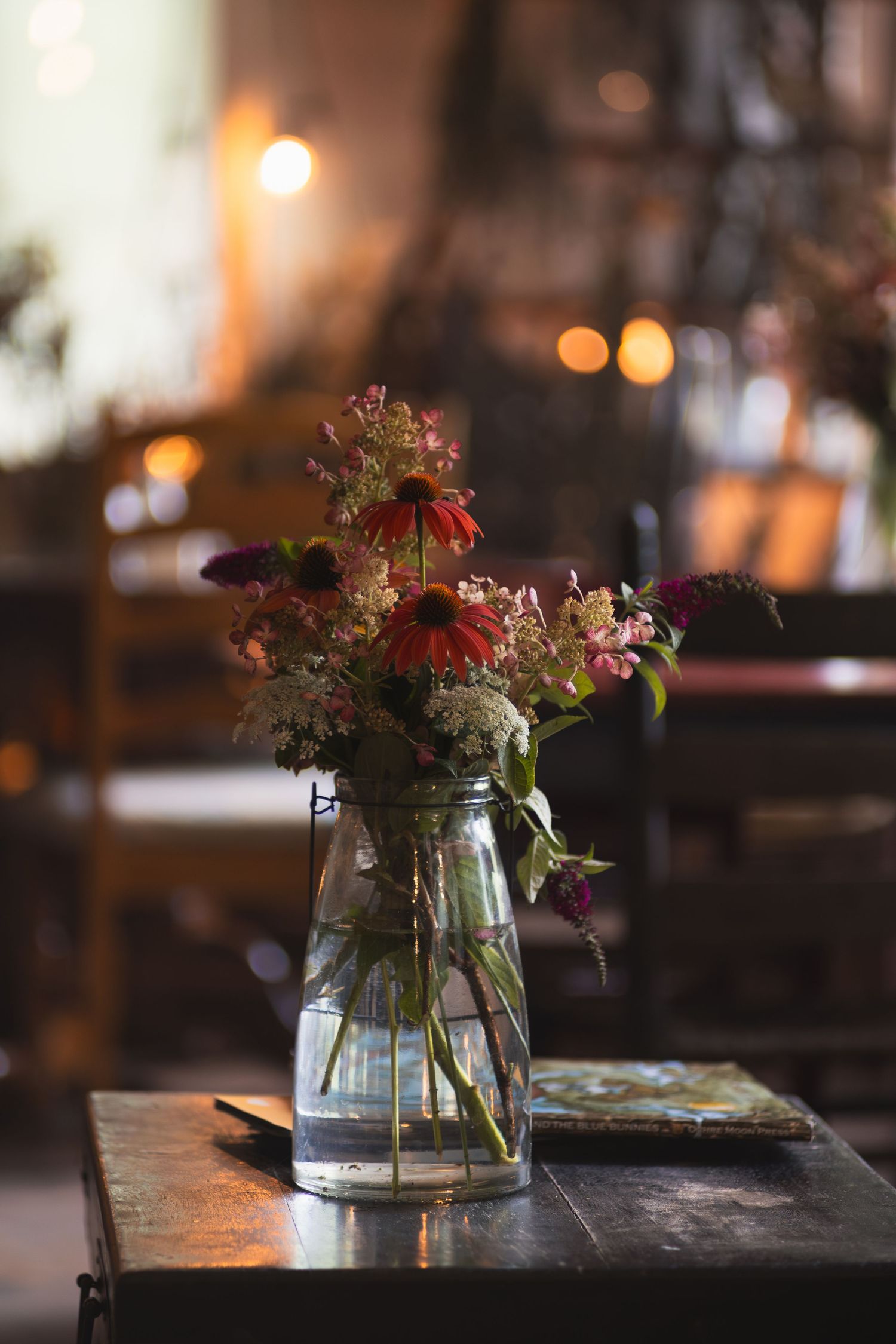
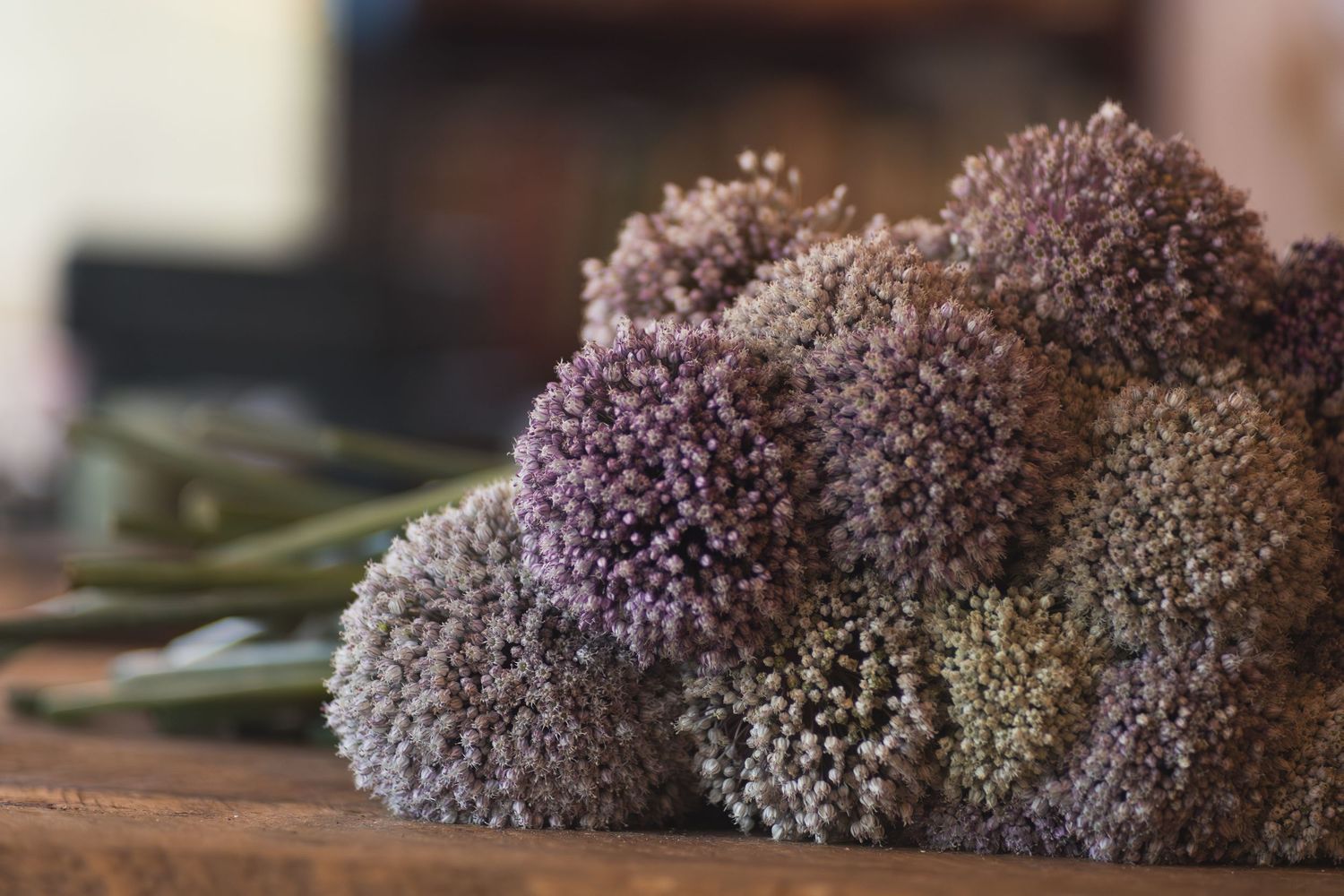
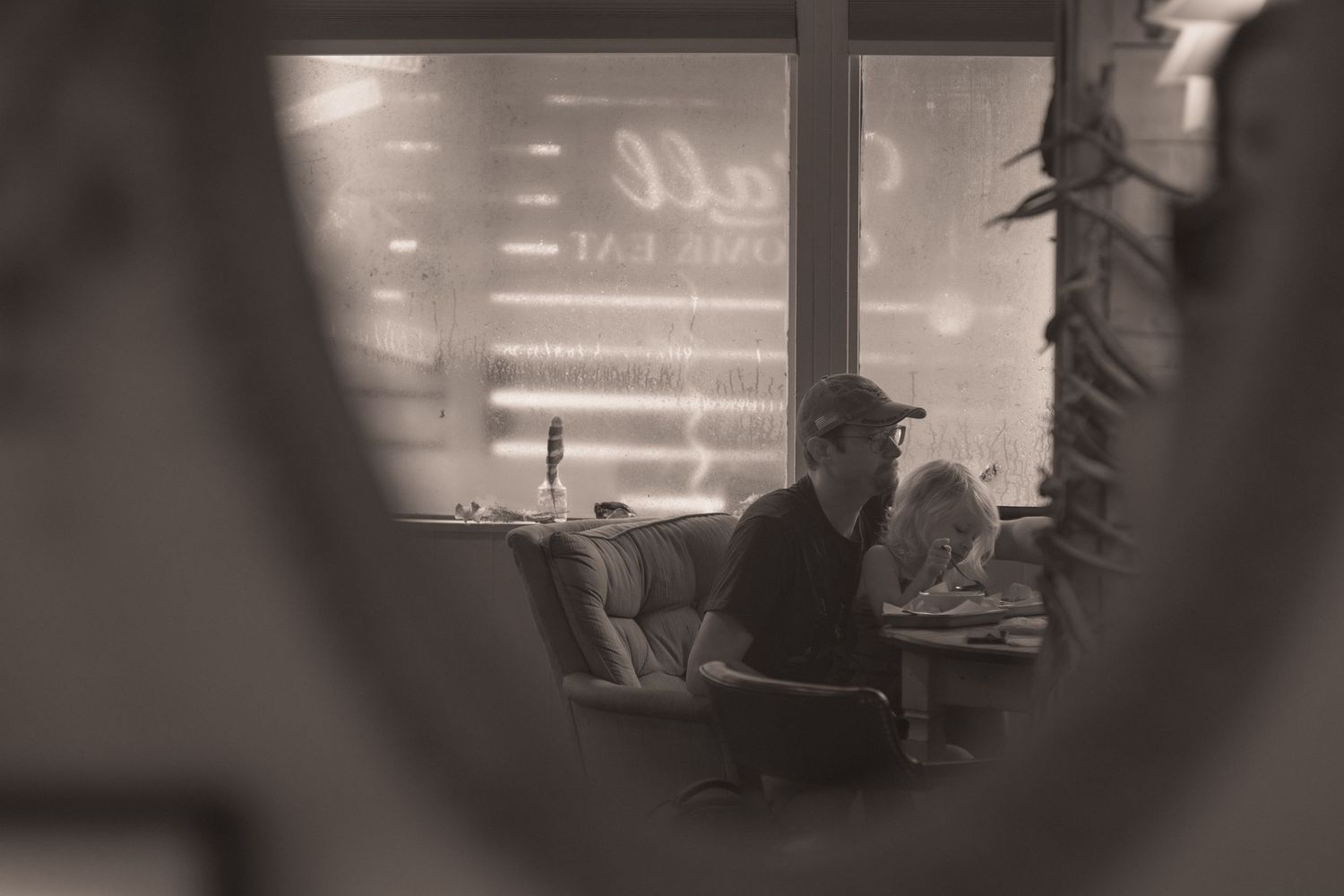
On the counter sat allium bundles, puffy spheres in shades of purple. Fern fronds leaned against the porch windows like a terrarium. While my husband and daughter stayed wrapped together to keep warm as we waited for breakfast, I enjoyed a few quiet moments simply looking.
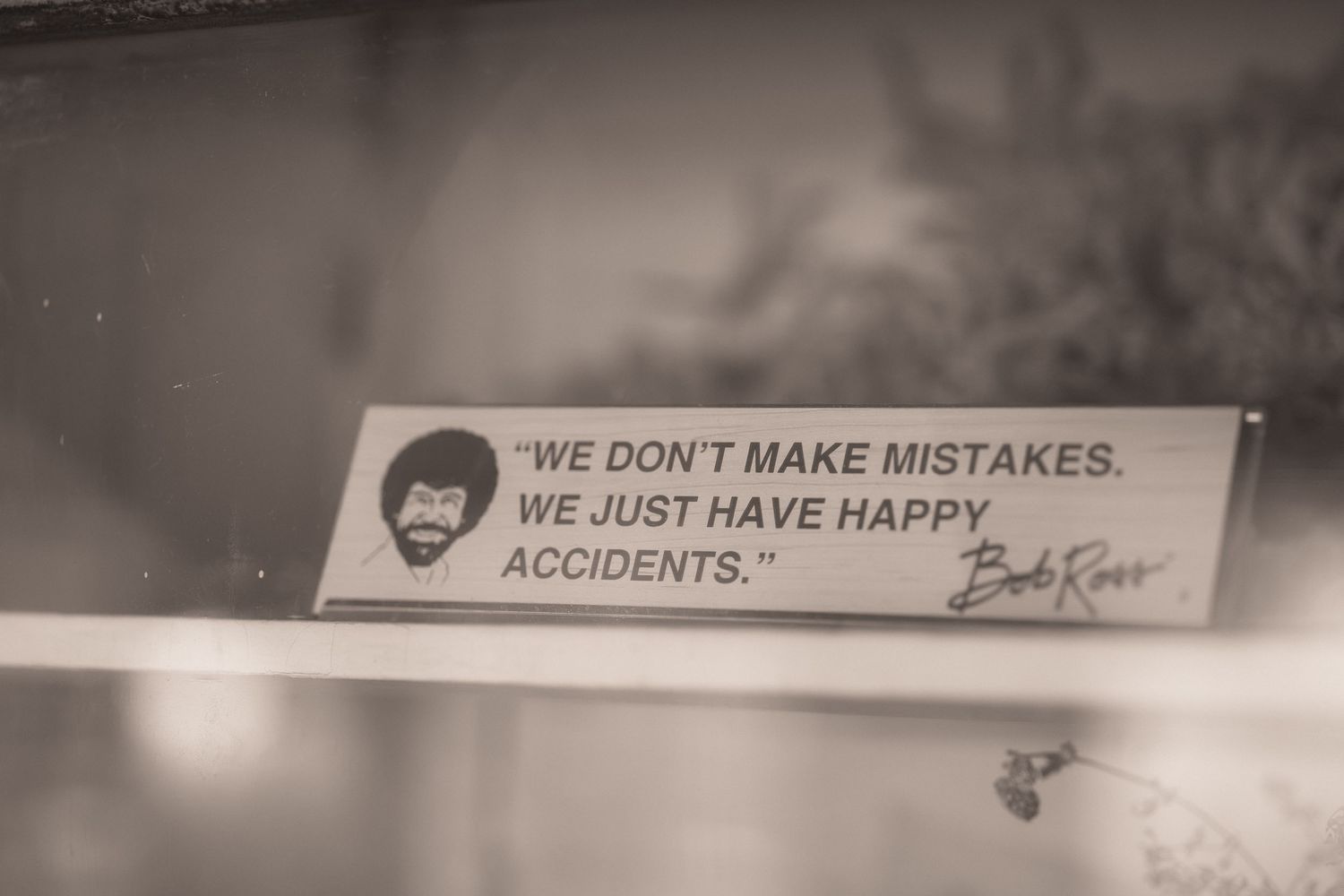
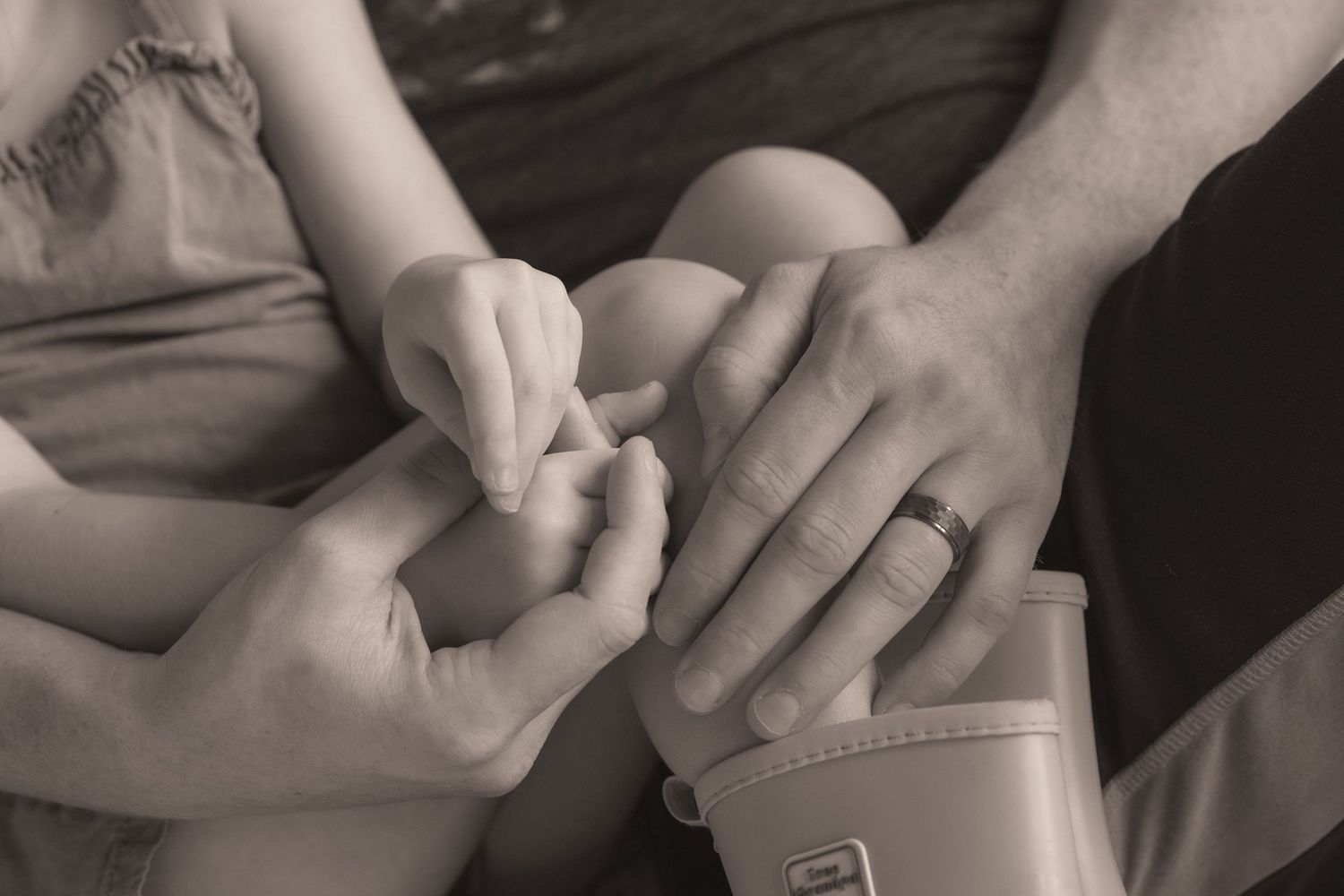
A few days later, we returned, again arriving right as the doors opened.
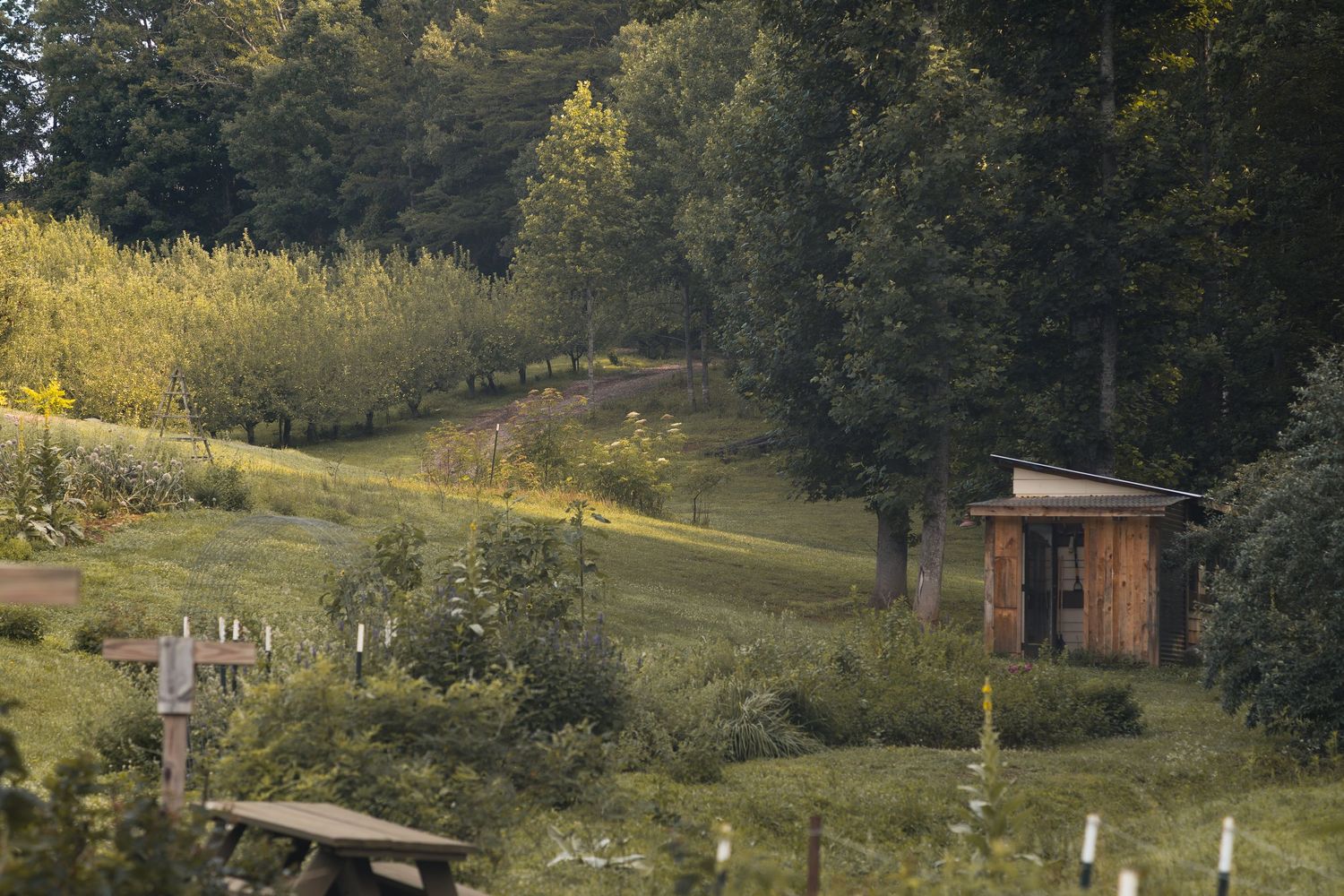
After breakfast I wandered outside, the air and ground being less damp than our previous visit. With it being the off-season, the apple orchard was inaccessible, so I headed to the gardens down the hillside instead.
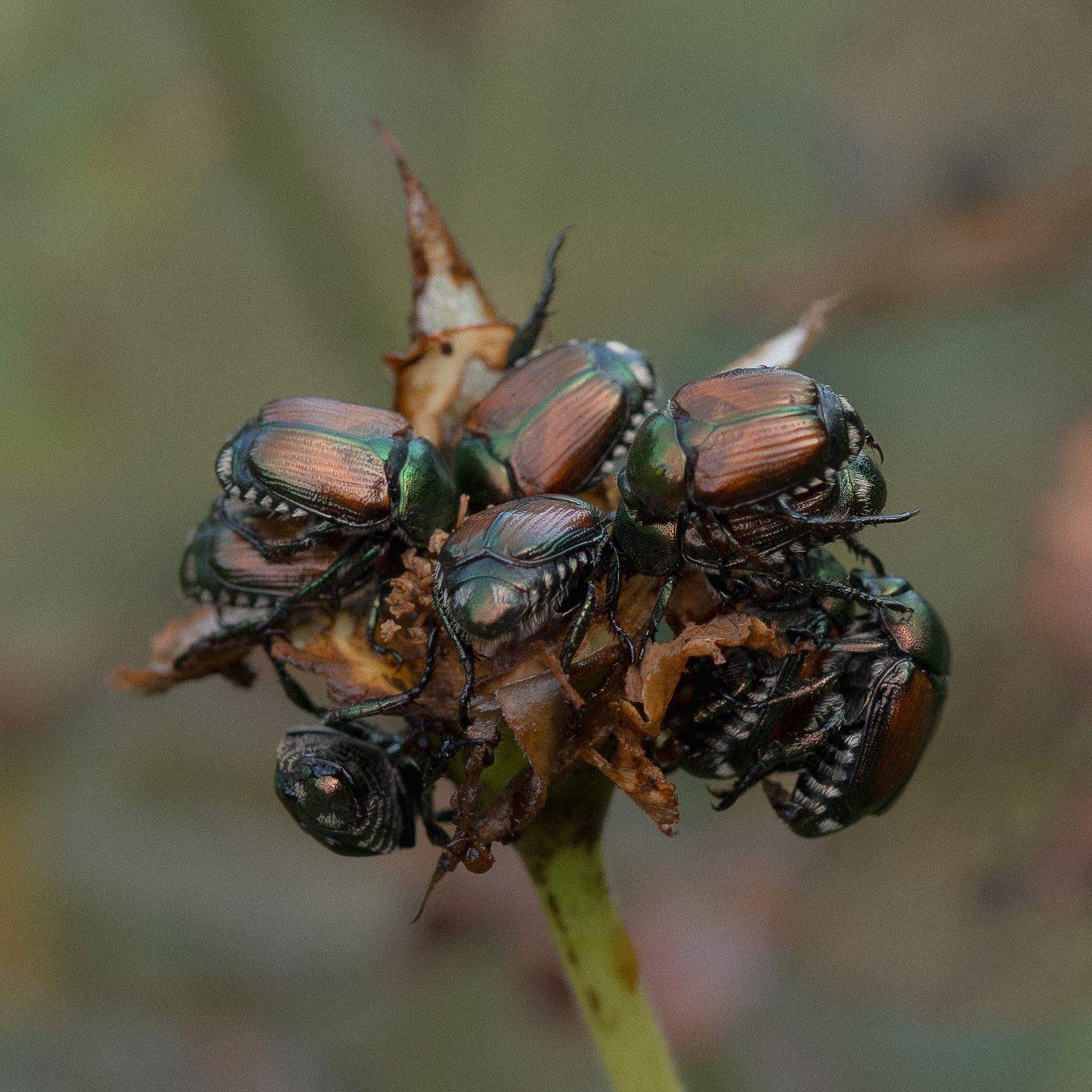
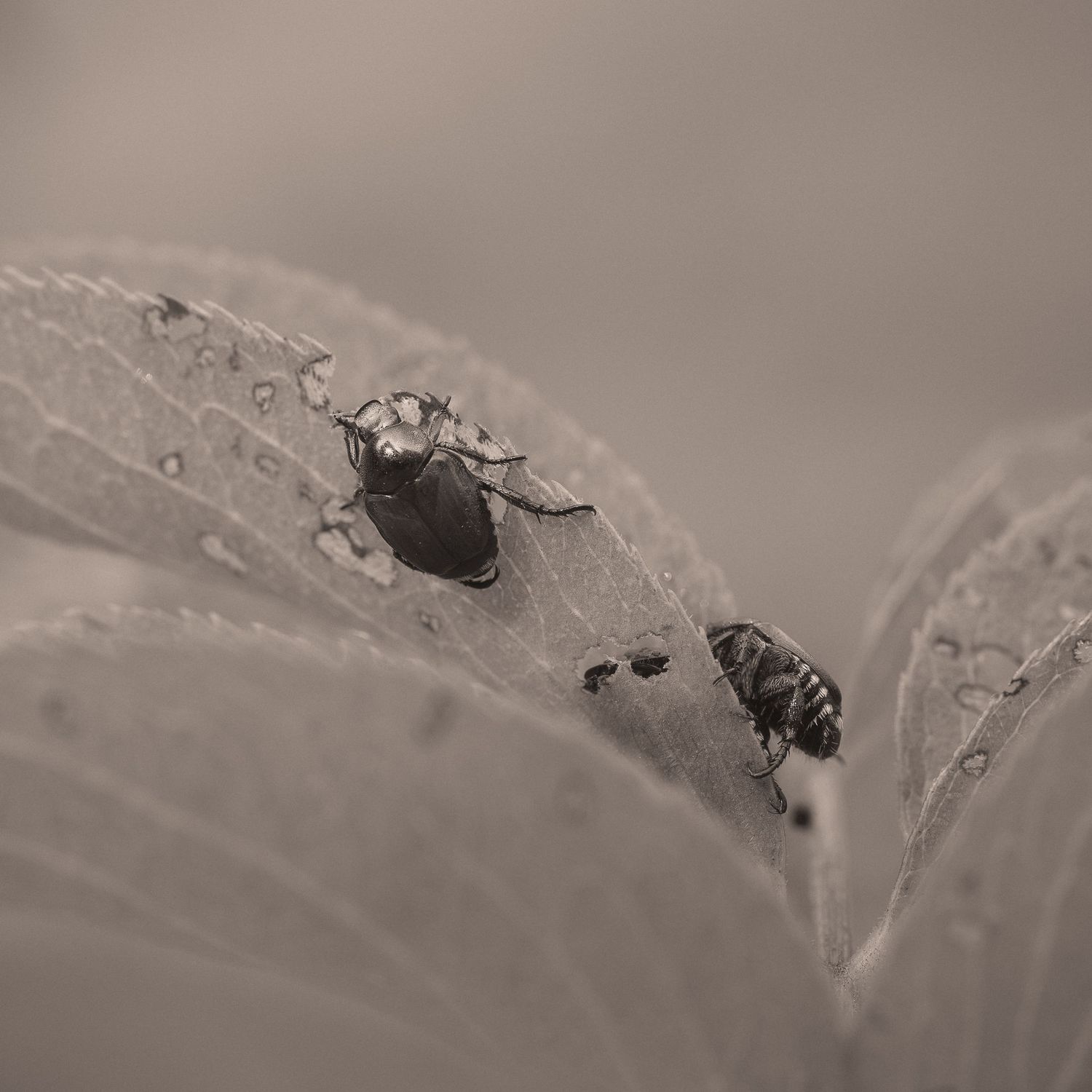
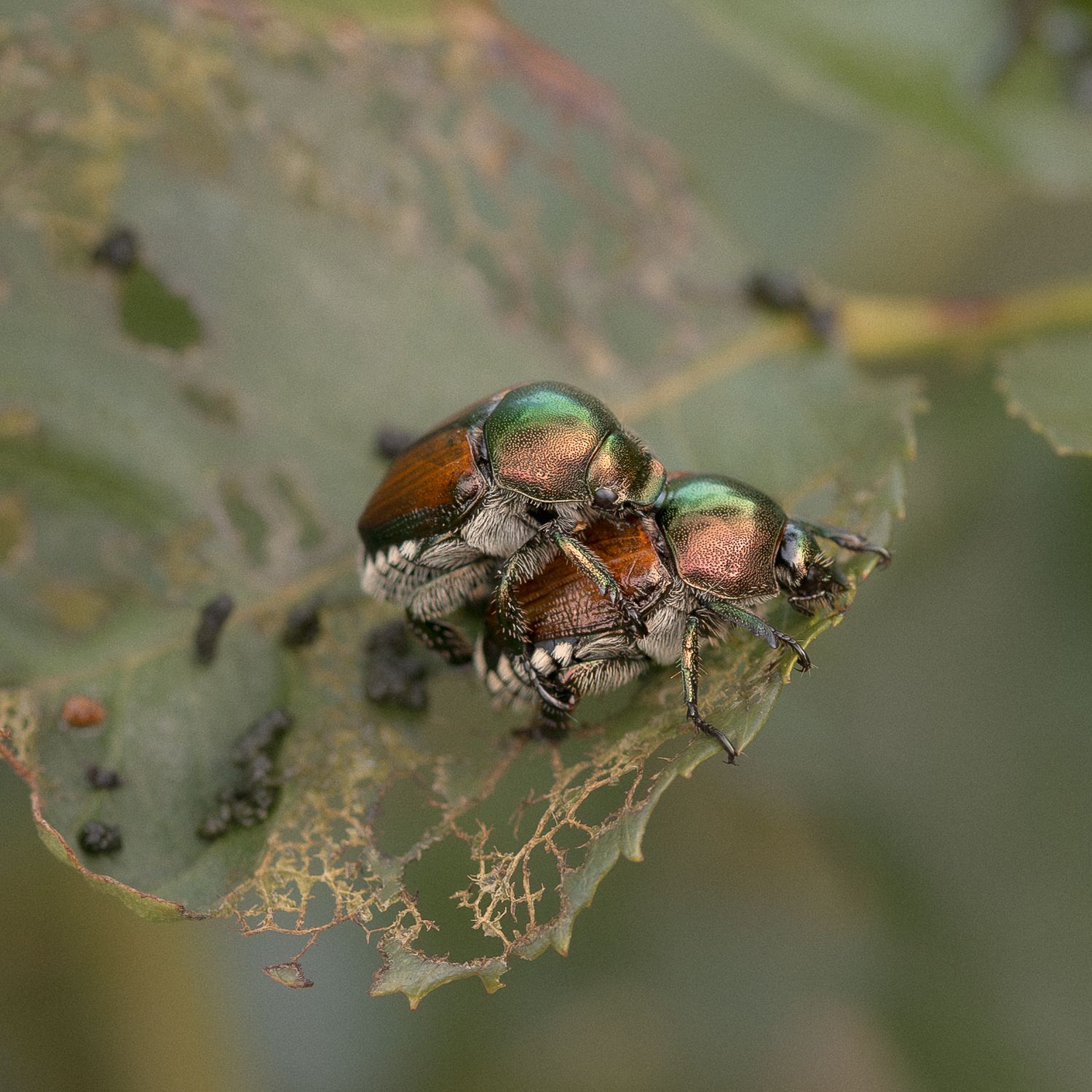
It was clearly mating season for the Japanese beetles; they clustered together, forming tight patches of iridescence.
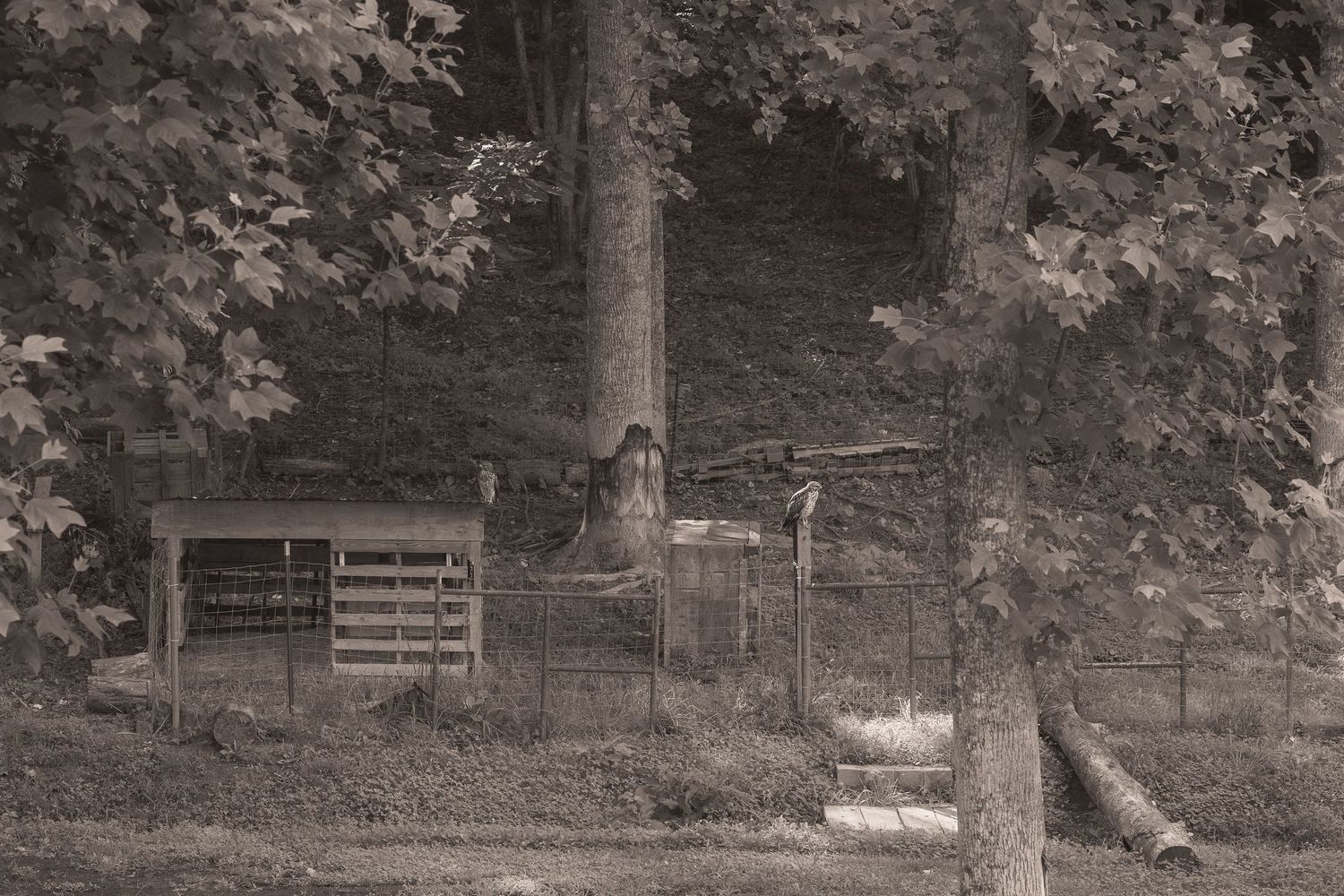
A pair of red-shouldered hawks perched atop the animal enclosure that sat vacant.
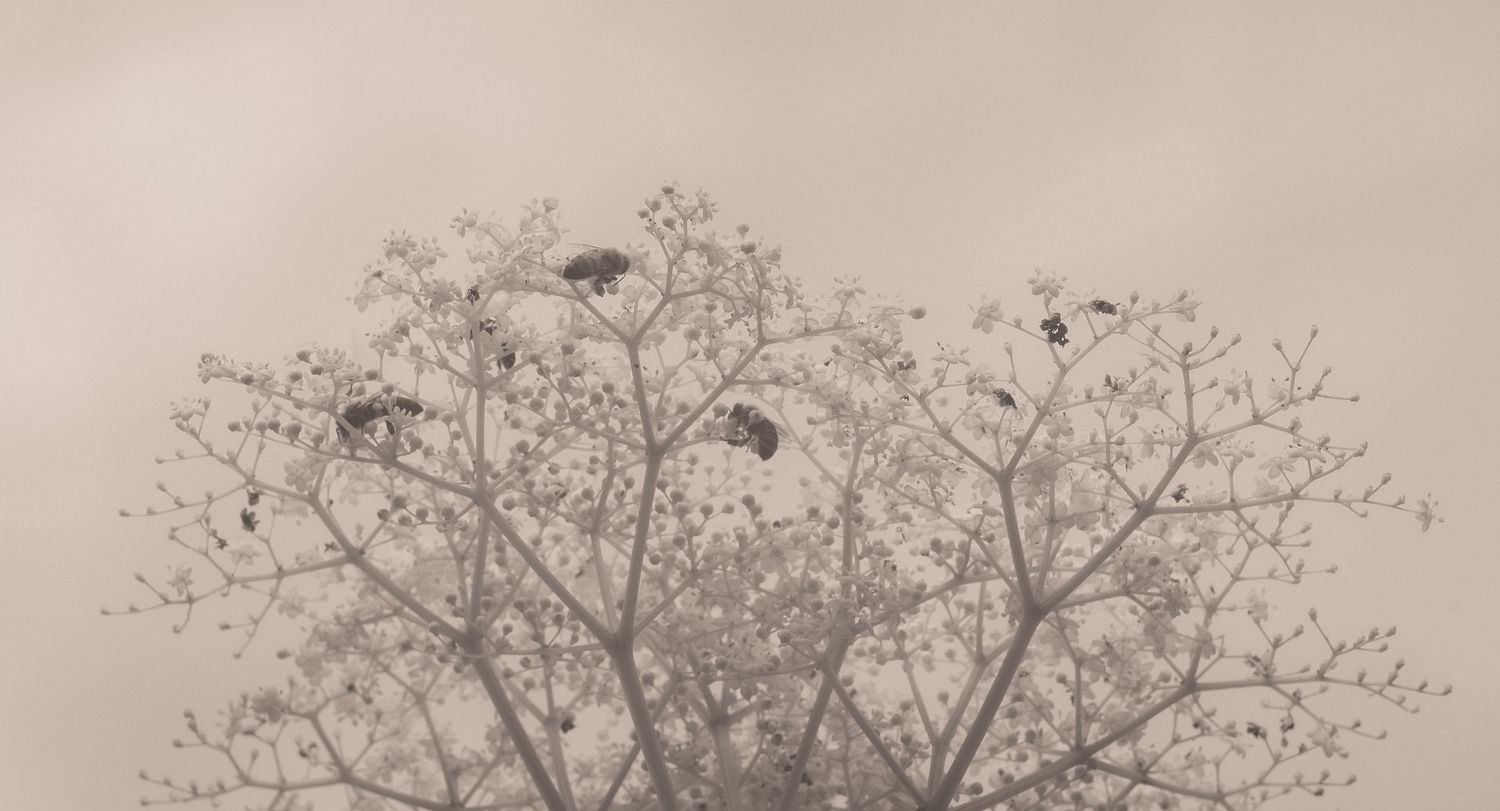
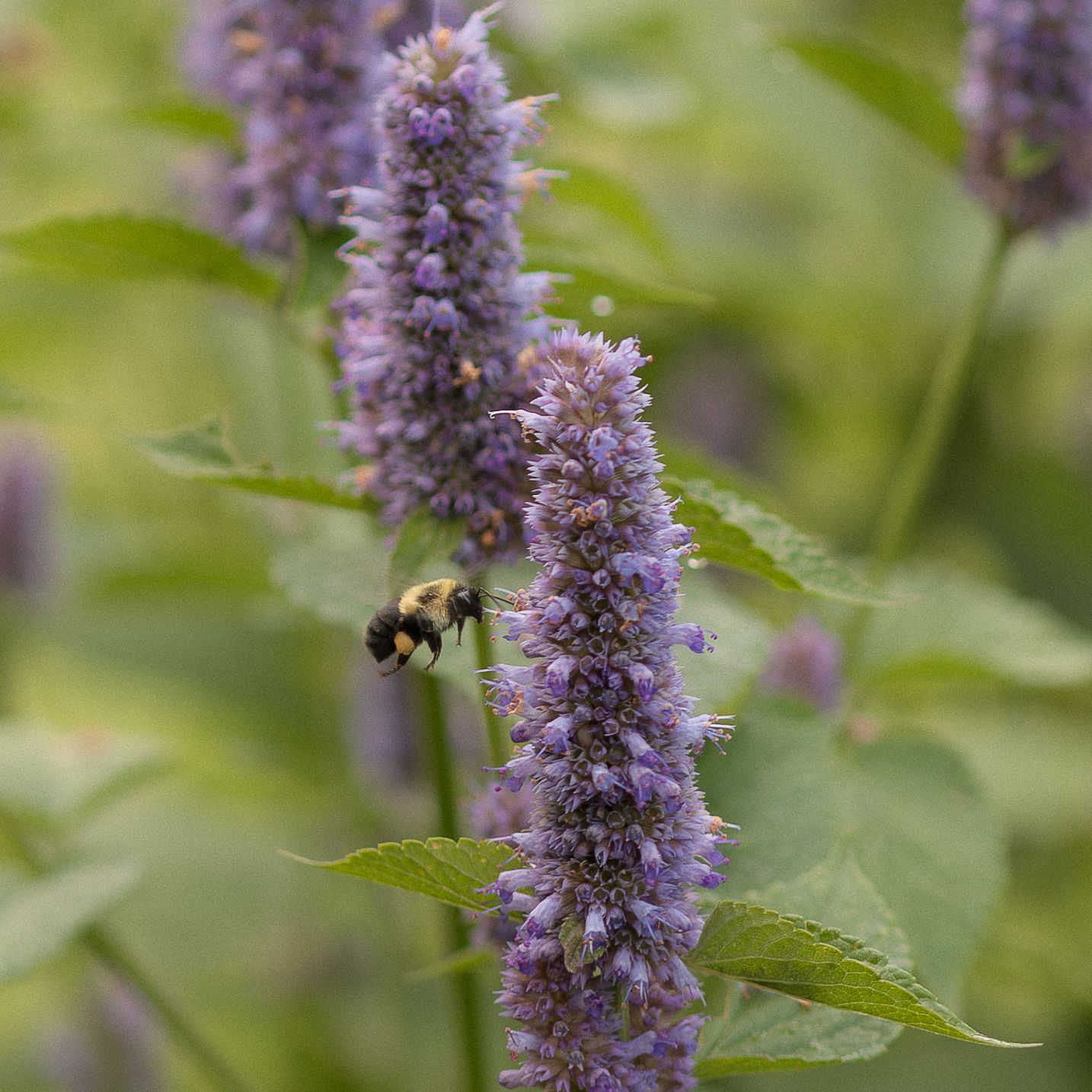
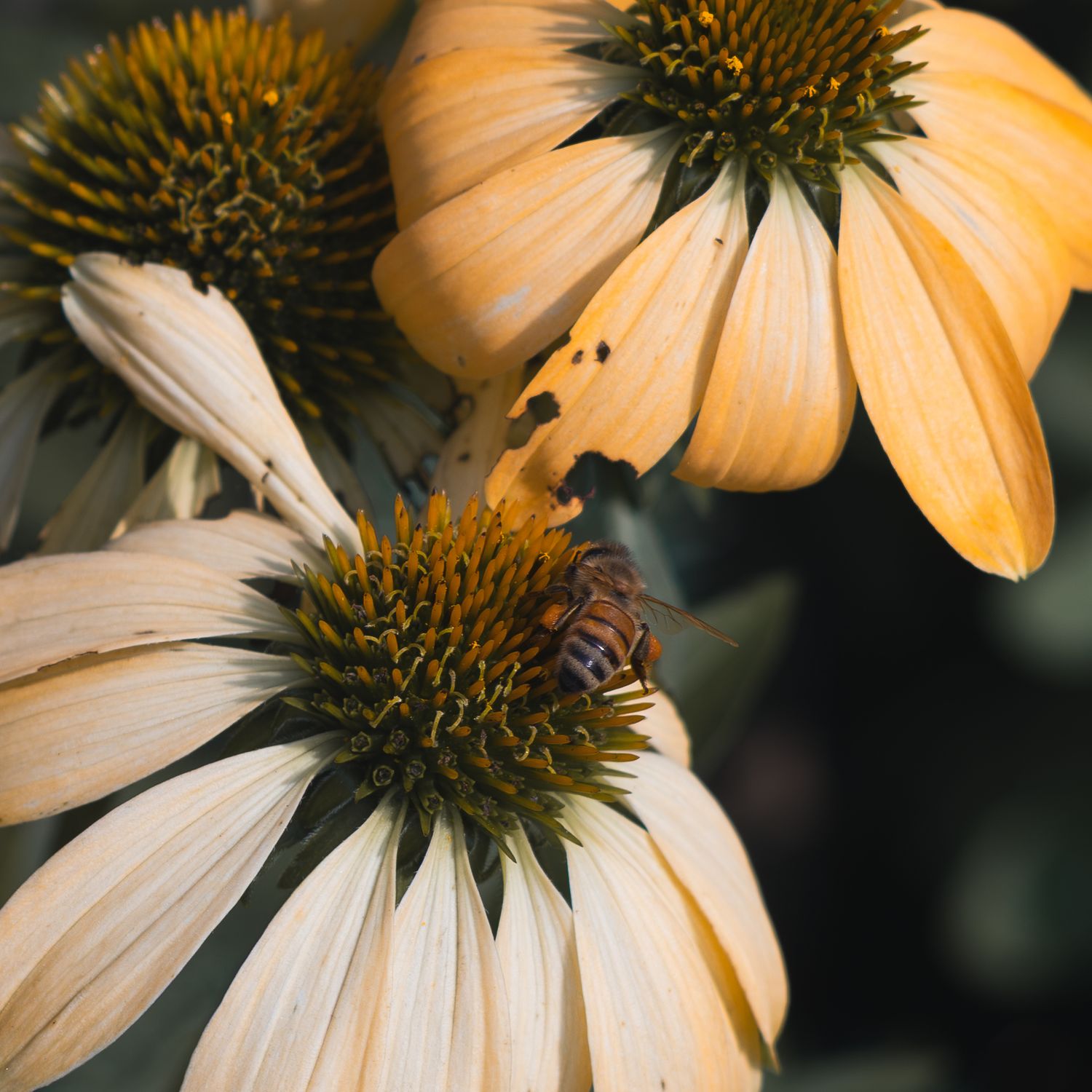
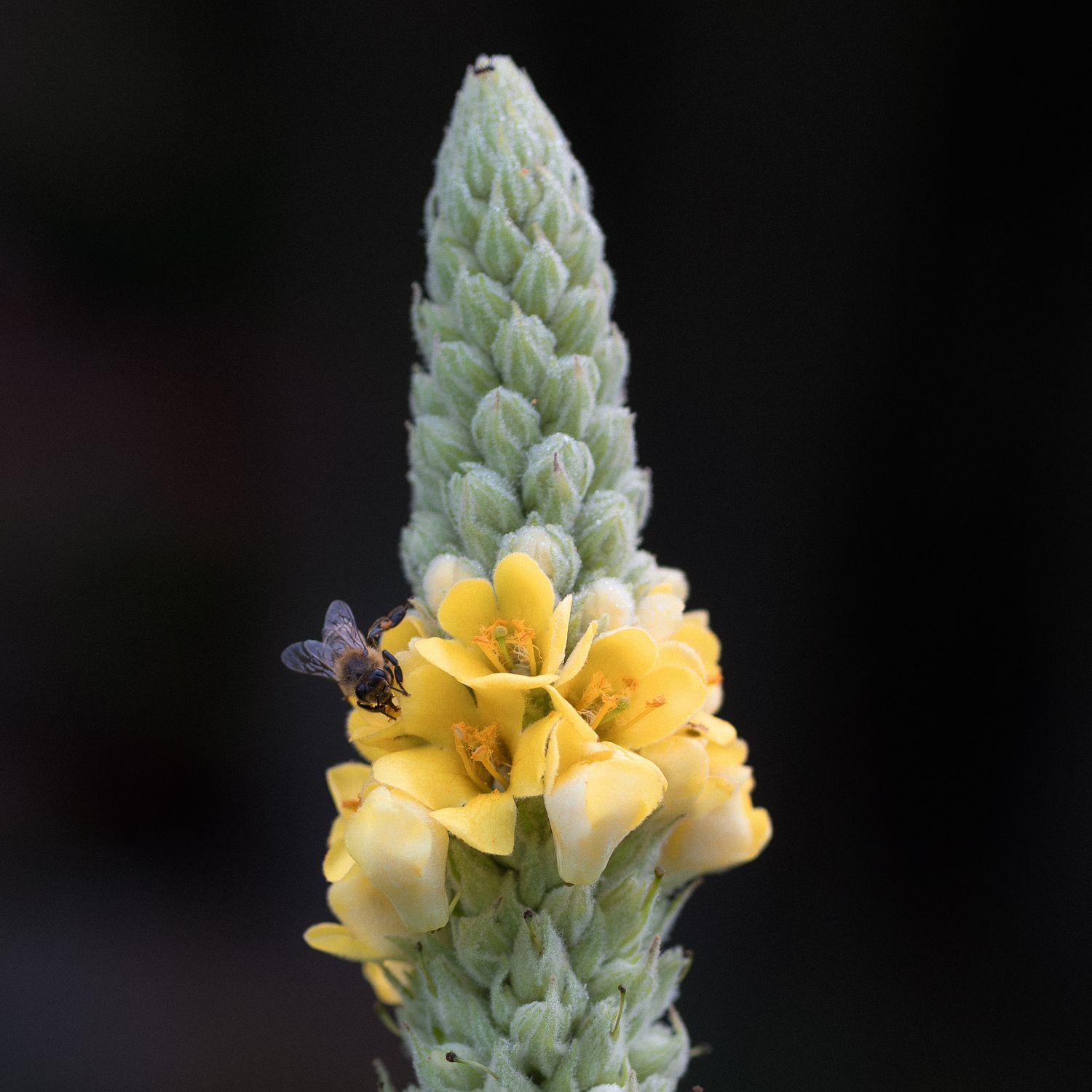
Bees were happily foraging at the American elderberry, anise hyssop, coneflowers and common mullein.
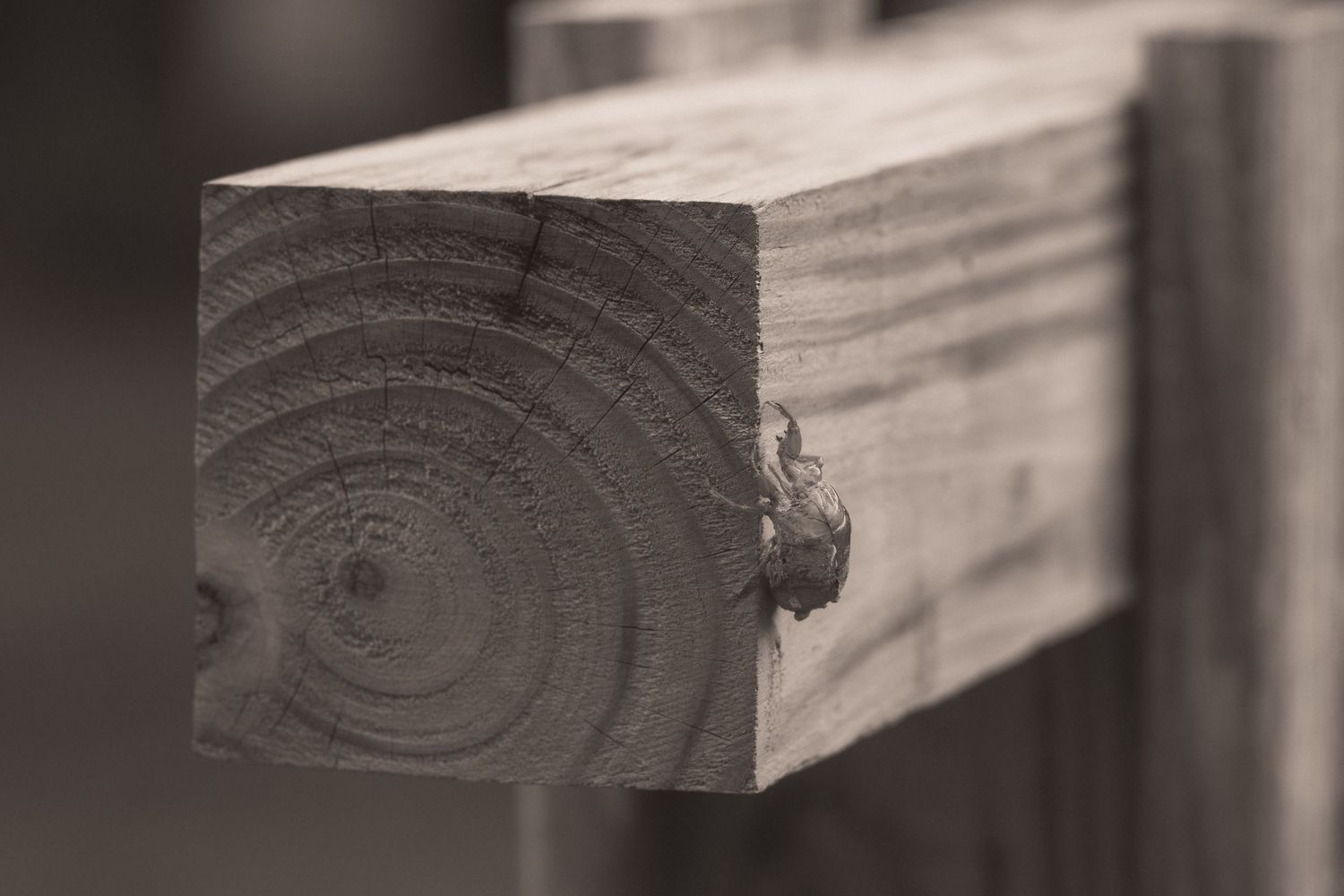
Nearby, the shed exoskeleton of a cicada resembled a tiny prehistoric crab.
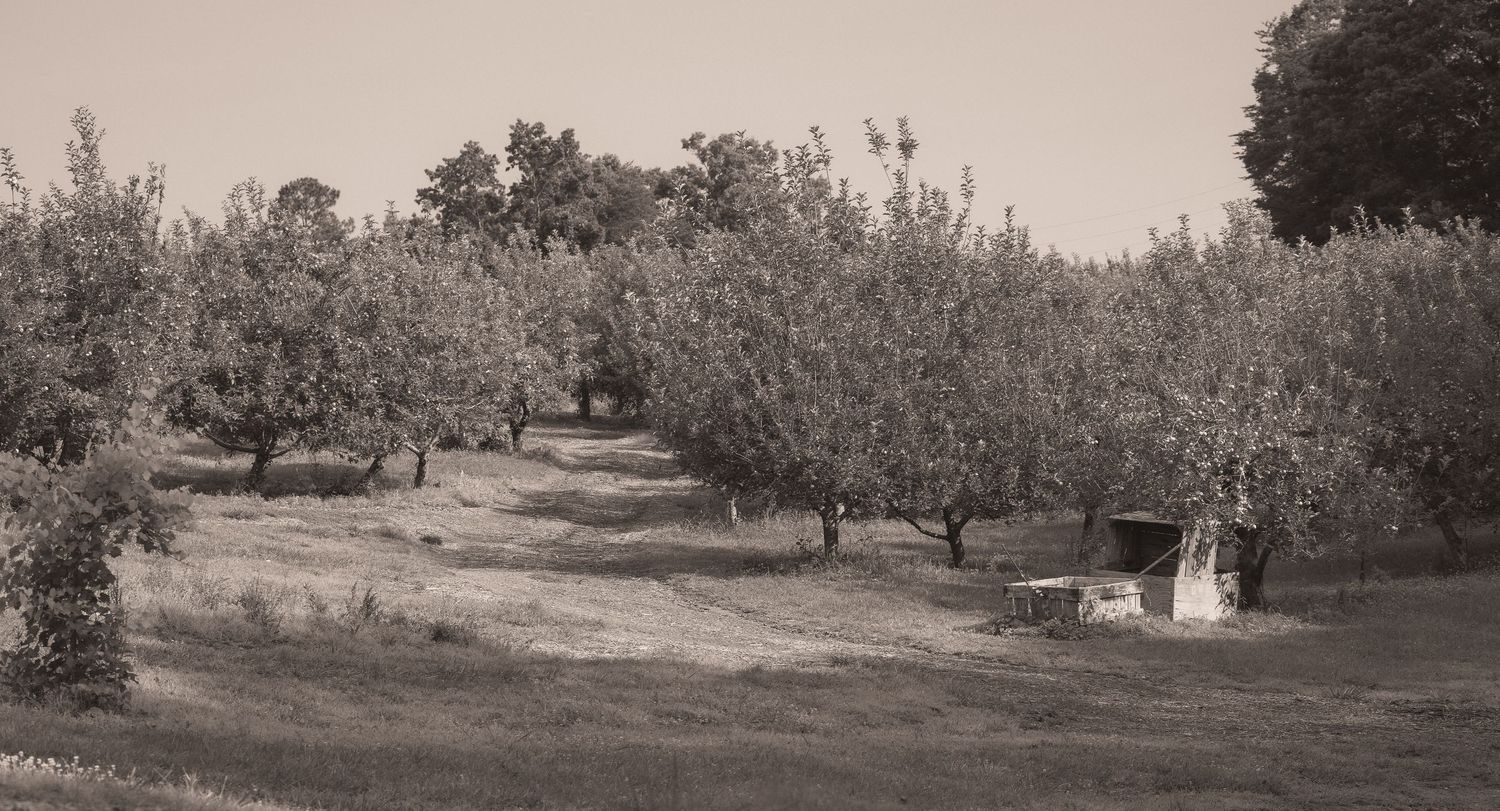
Beyond the gardens, the orchard held early apples. Many of these trees, we learned, have stood for decades, the oldest are now over fifty years old and no longer able to bear fruit.
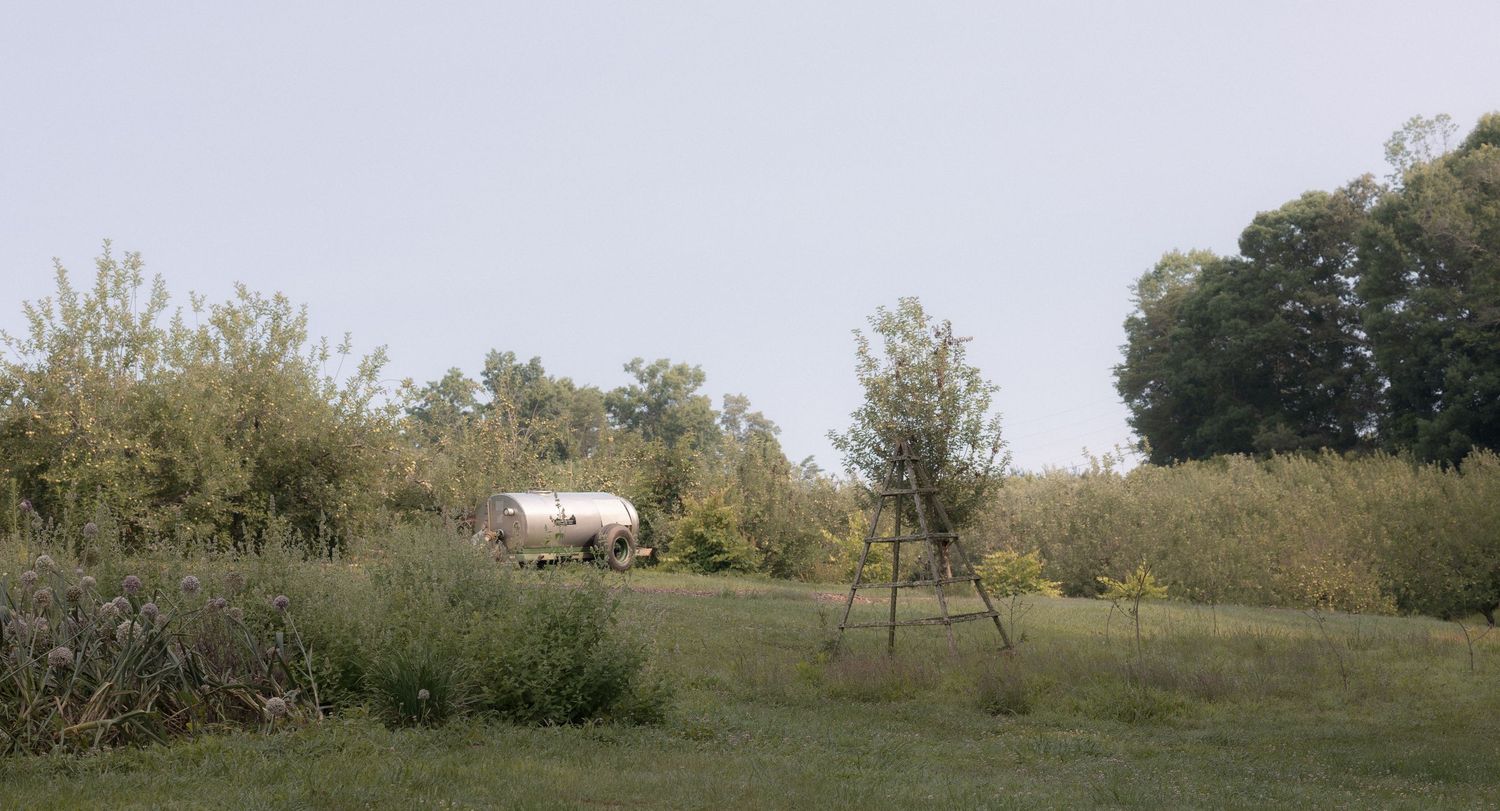
We’ve been visiting The Folk Collaborative for years now. It quickly became one of the highlights of our trips, only a few minutes from where we stay.
Driving from Blue Ridge, signs point toward “The Cider House Orchards” The same name sits remains mounted to the side of the barn. Curious, my husband asked Isobella about the history of the property while I wrangled my daughter.
The land had indeed been in the same family for generations before being sold. It changed hands several times, operating as The Cider House Orchards for a period, until 2020 when the original family repurchased the property, bringing it once again into their possession.
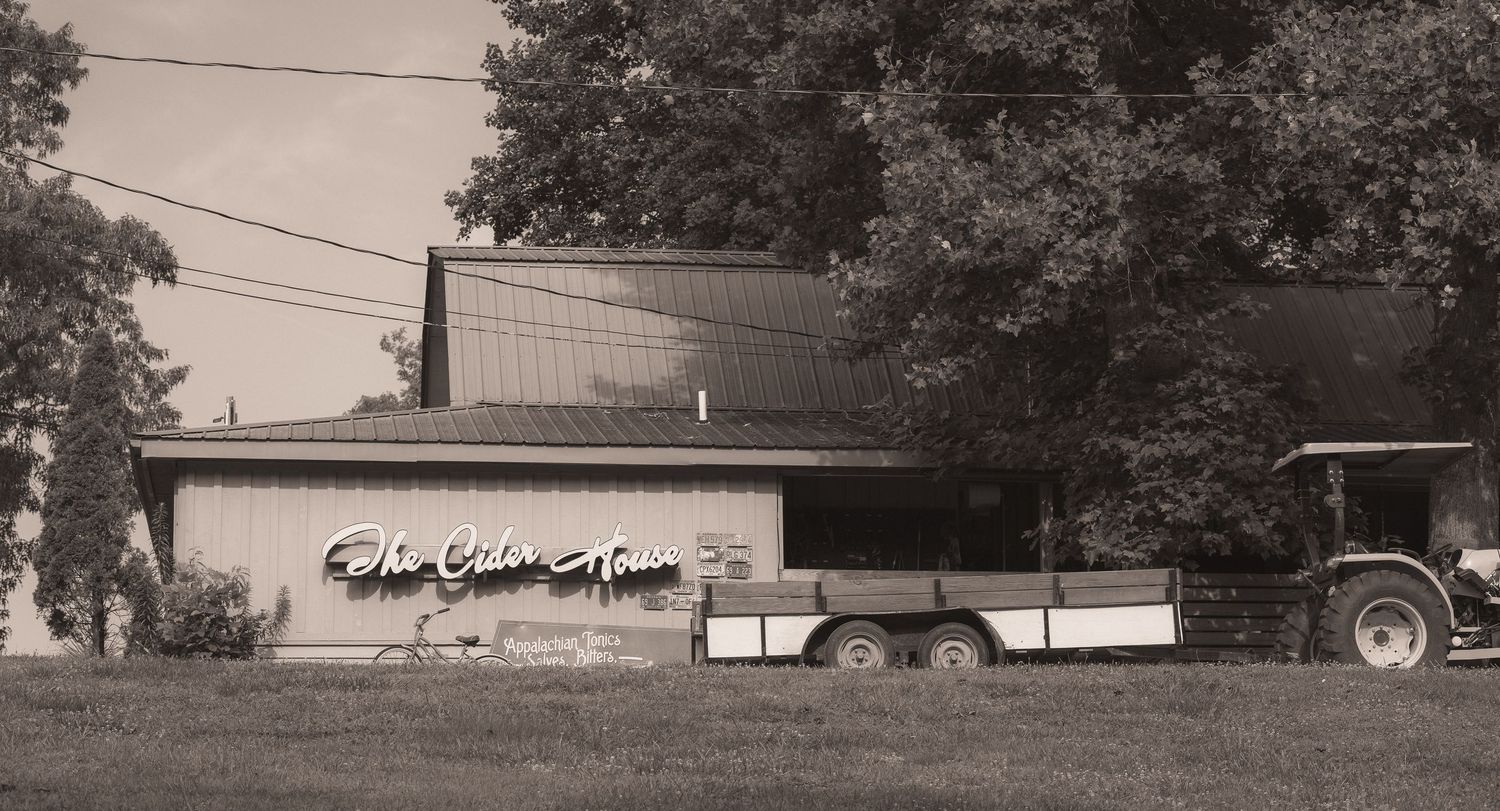
During the time it was gone McCaysville and the surrounding areas continued to grow.
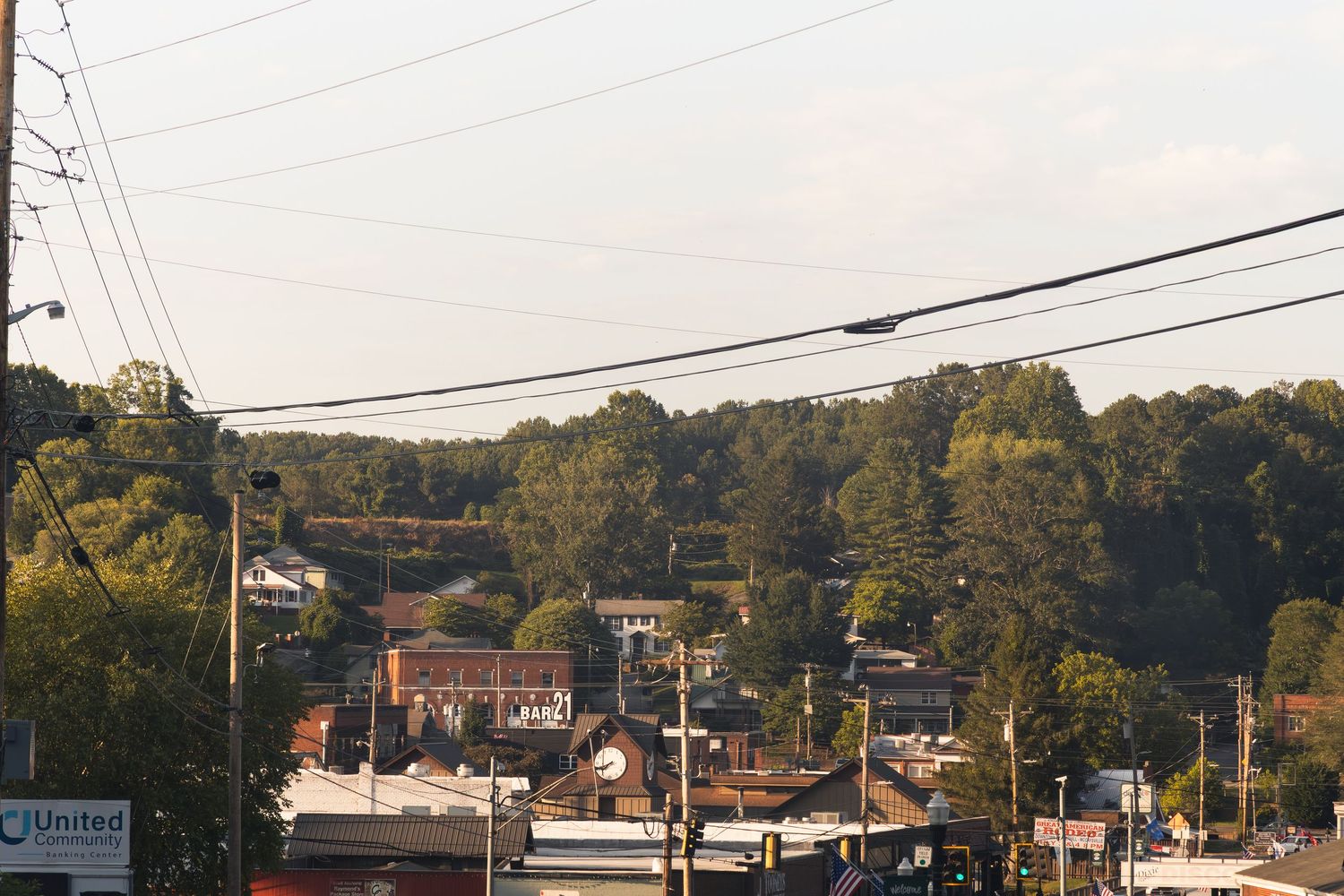
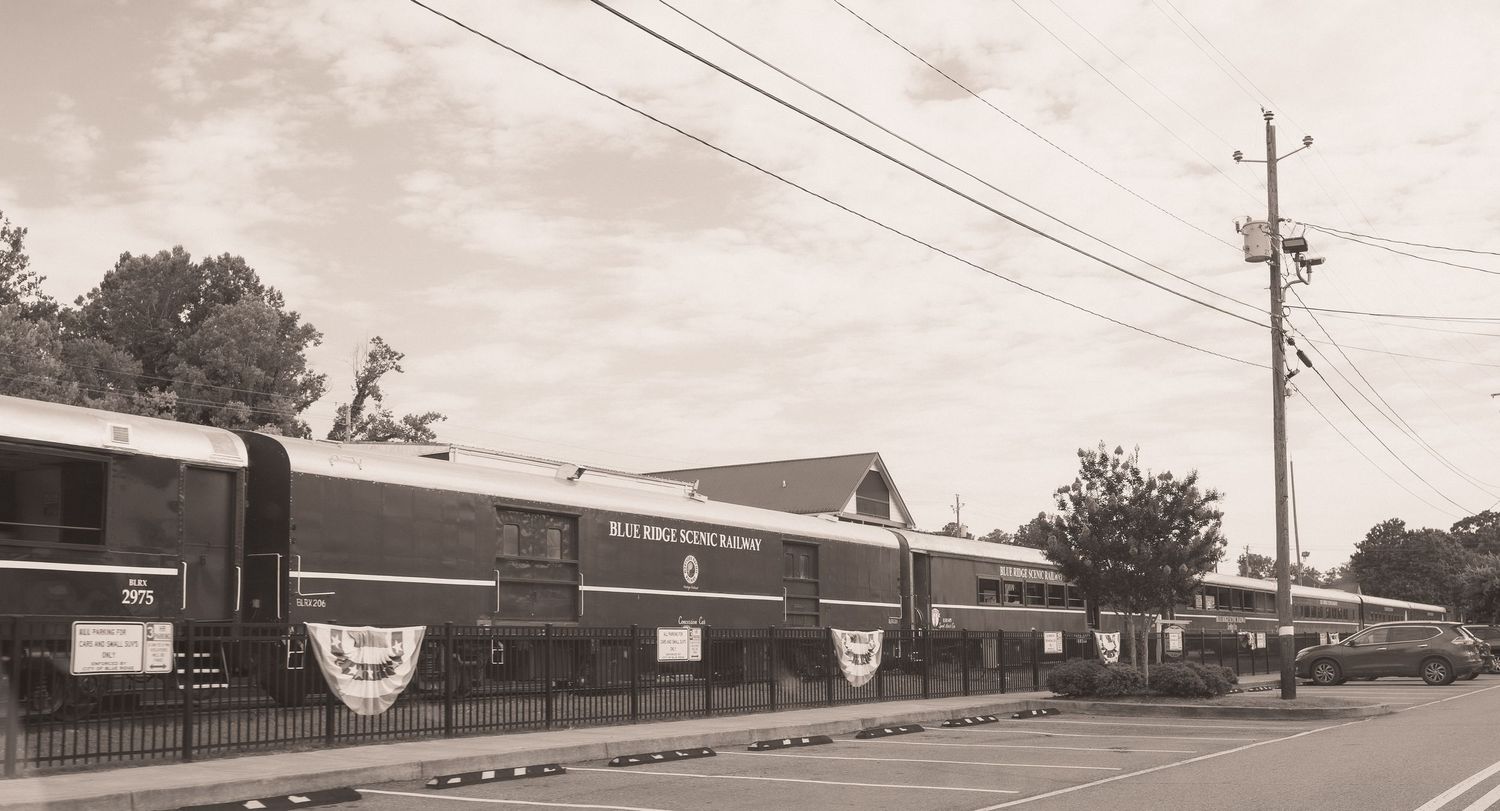
Nearly every visit we meet someone who tells us the same story. They came on vacation, fell in love with the mountains, and decided never to leave. A large percentage of these are former Floridians, preferring the visible shift of the seasons and blue mountain ridges to the heat and beaches of Florida.
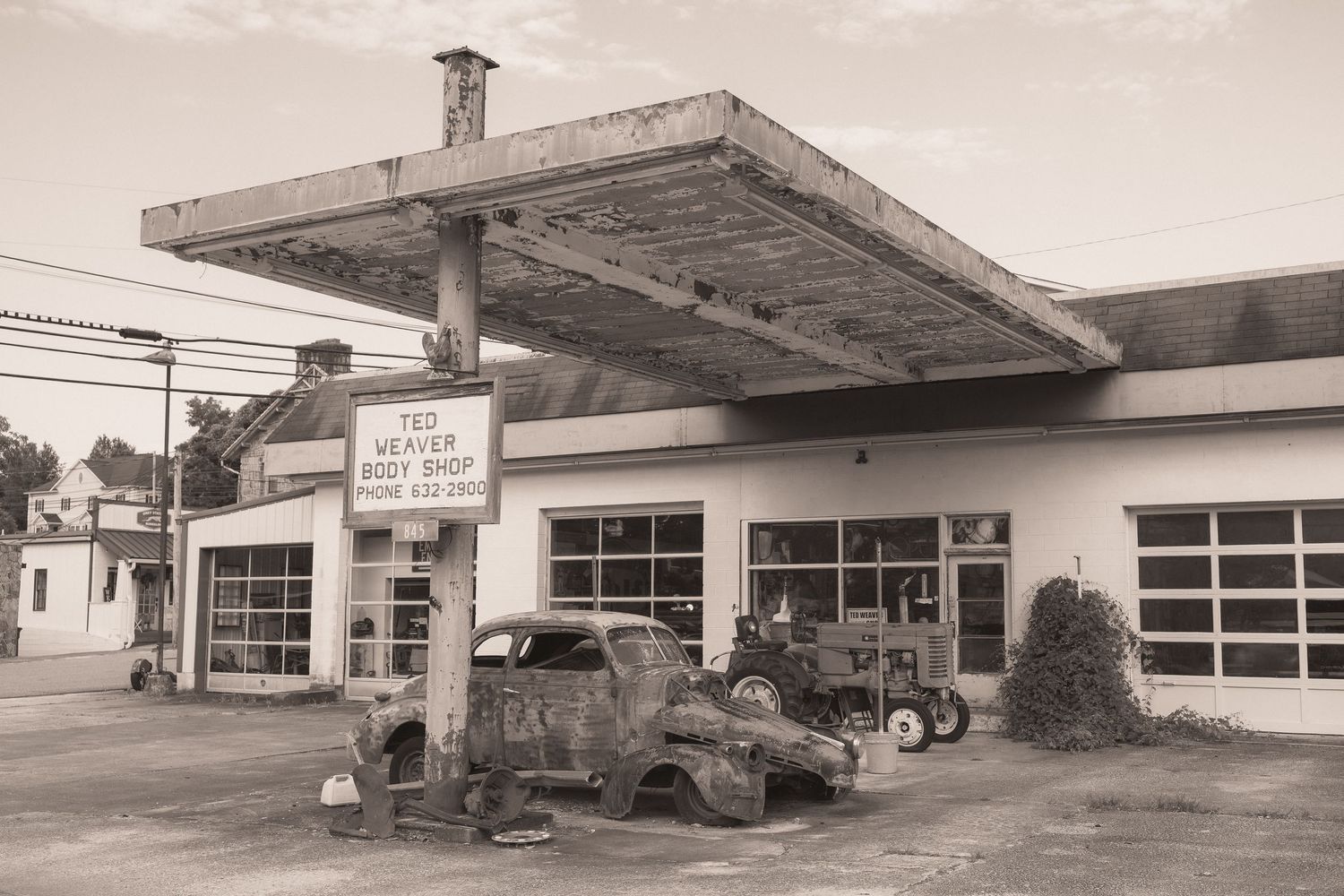
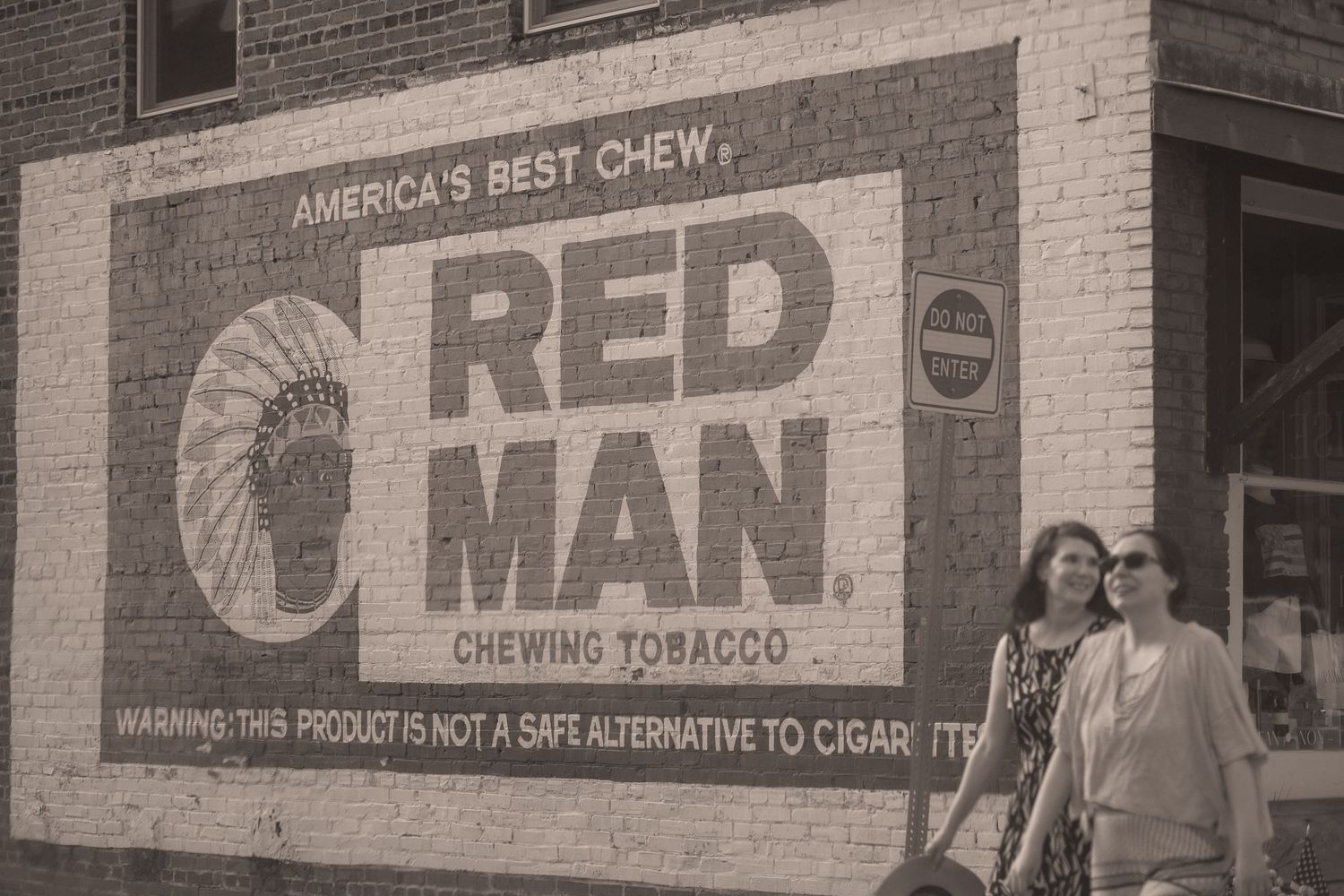
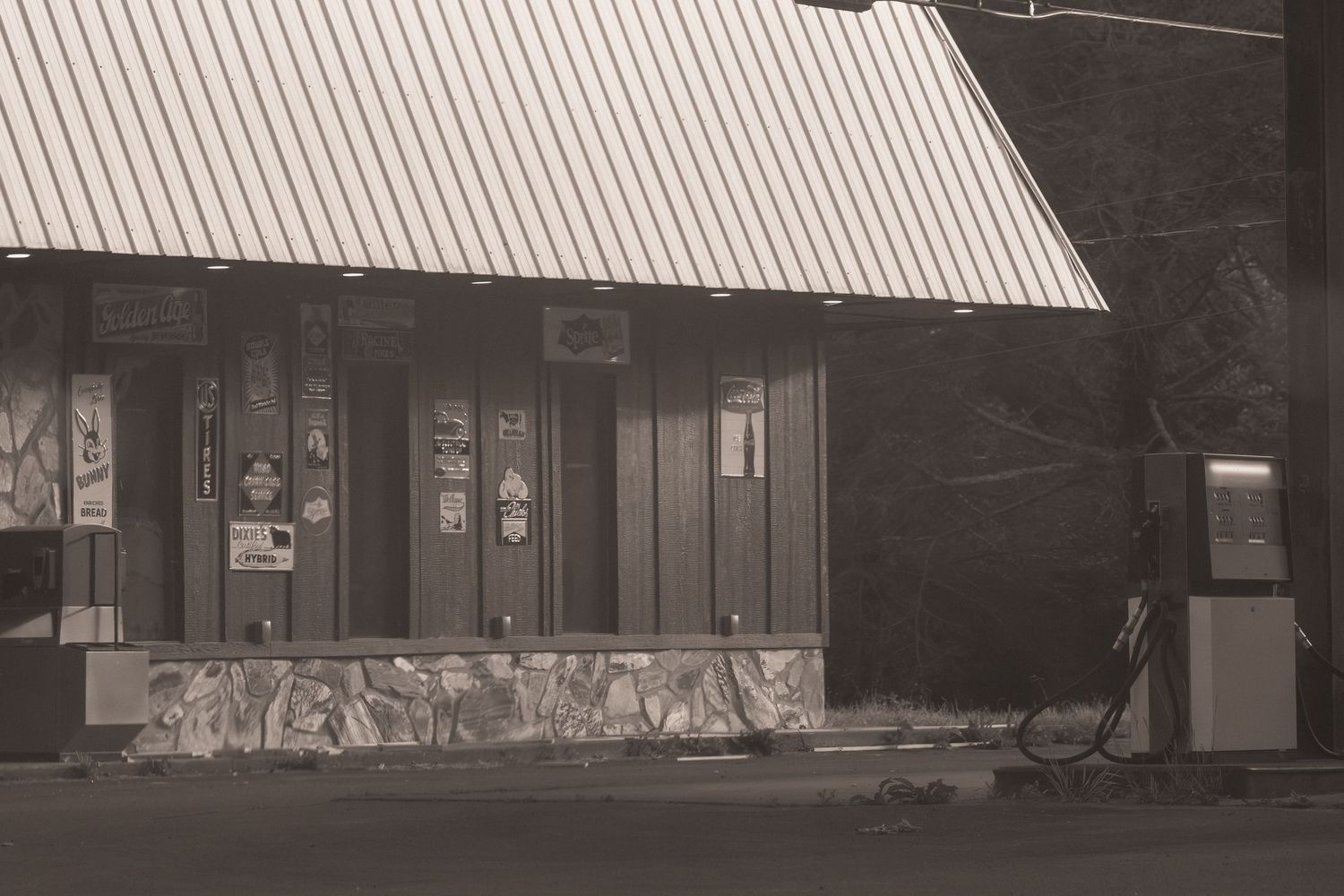
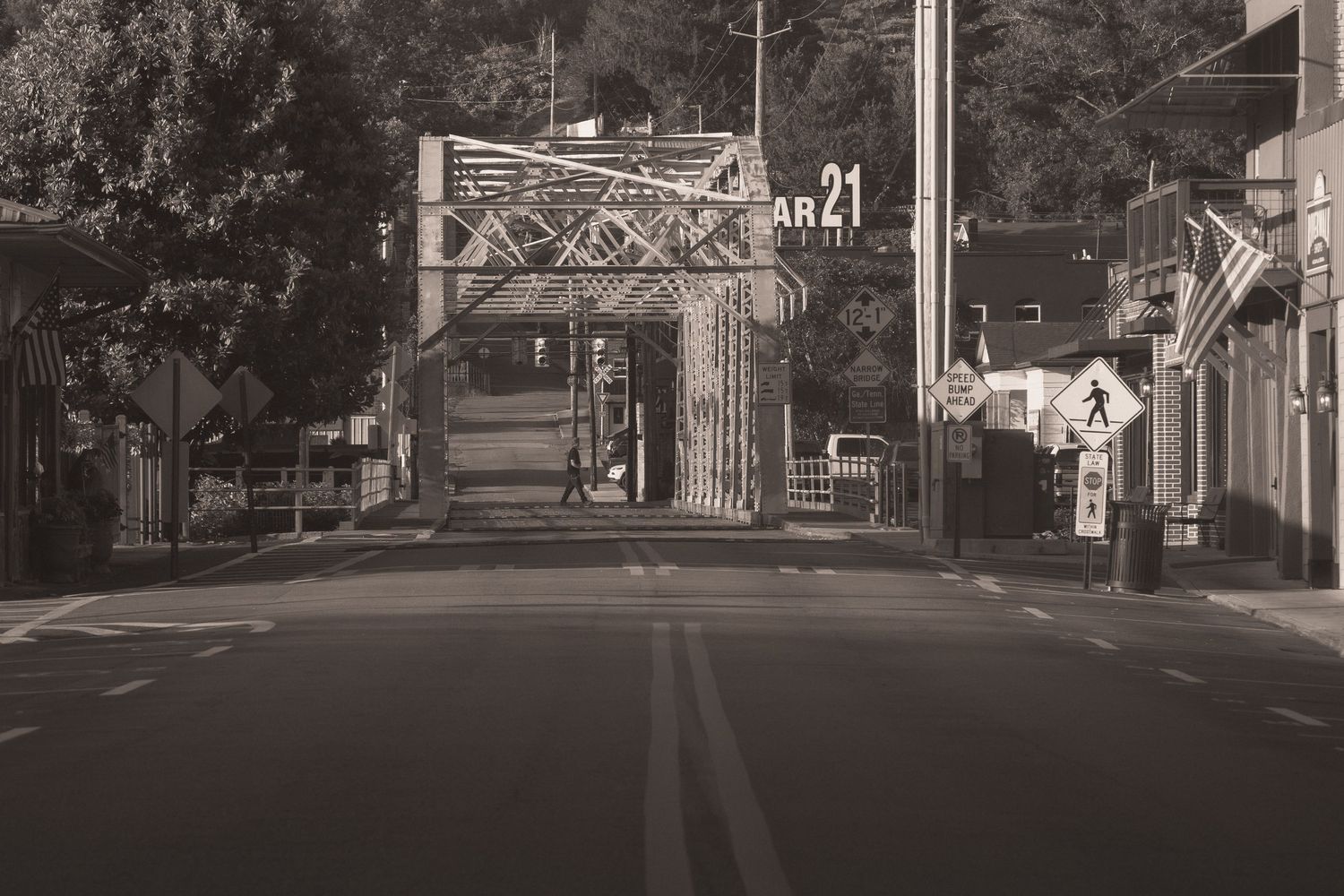
Many locals have pushed back against the ‘Florida-ification’, wanting the constant influx of new residents to slow or stop completely.
As a native Floridian who grew up close to Orlando, another landscape transformed by tourism, I understand these frustrations intimately. The natural wilderness and agricultural lands, parcel by parcel, have been sectioned off and sold, leaving the area less recognizable with each passing year to those who call it home.
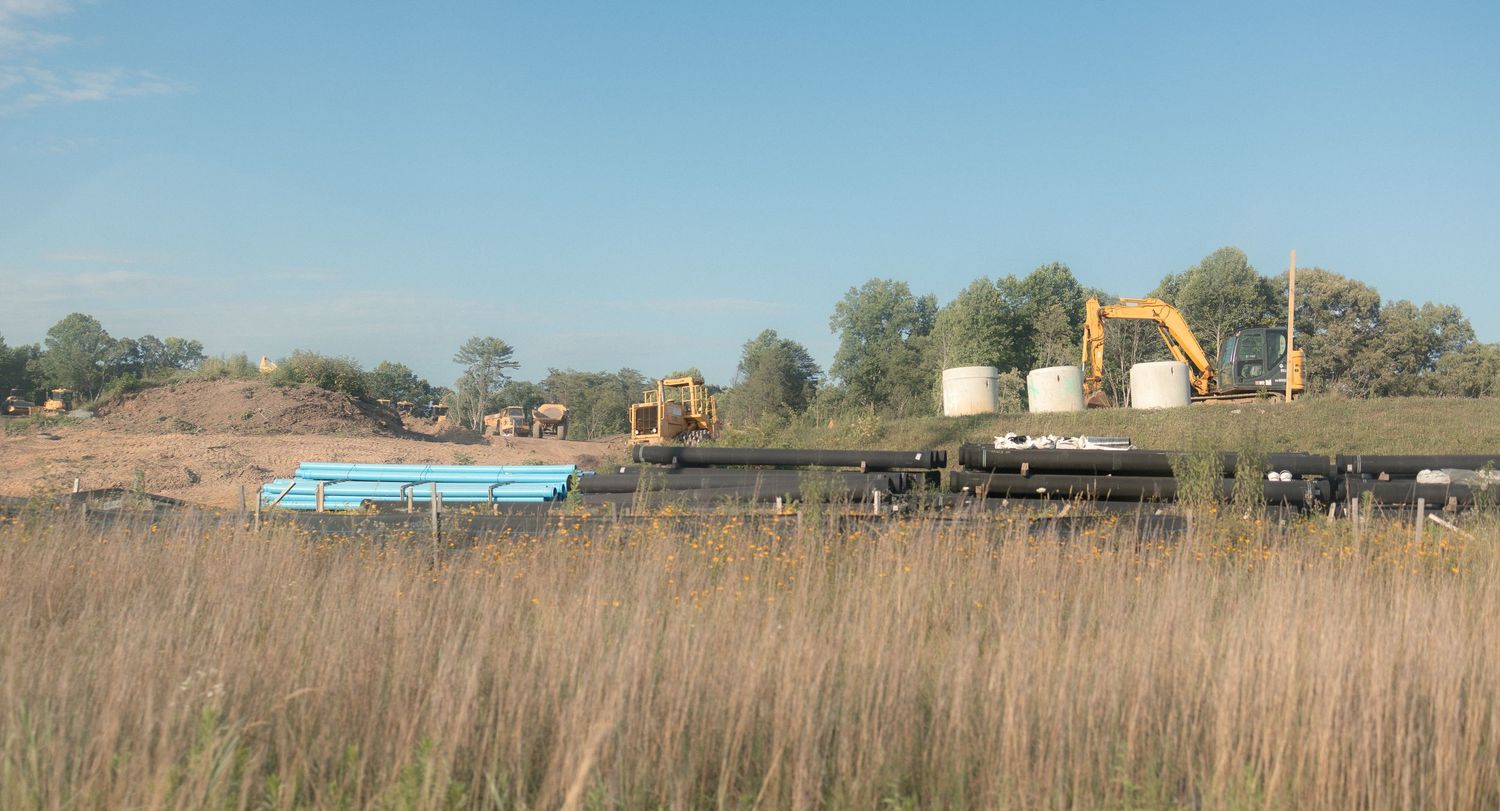
The development has now impacted the local water table, lowering it to the point that irrigation can no longer be run at the orchard.
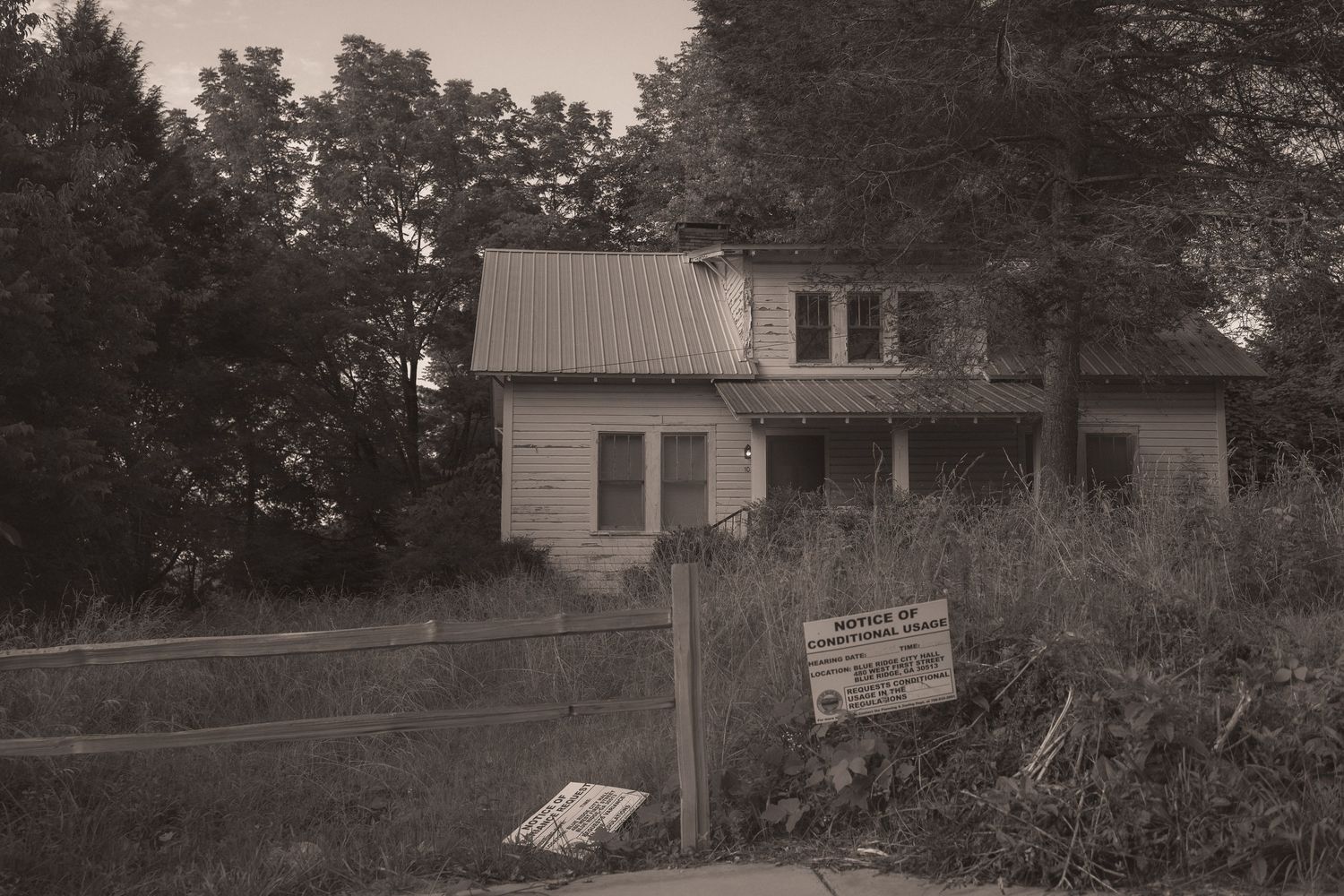
Like many tourist destinations, the same challenges manifest time and time again. The businesses are dependent on the spending of tourists, yet the tourists are damaging in return. The locals and the native ecology are left to bear the impact, with dwindling resources spread thinner among all.
As an architect by profession, I am not opposed to development. We all need places to live, work, gather, and belong.
What troubles me is development that proceeds without equal consideration for the communities and ecosystems already present.
I don’t have the answers.
How do you establish equilibrium, protecting what is with what is becoming, what is natural with what is made by man?
For a long time, I believed that because I didn't possess the solution, I had no right to speak about the problem.
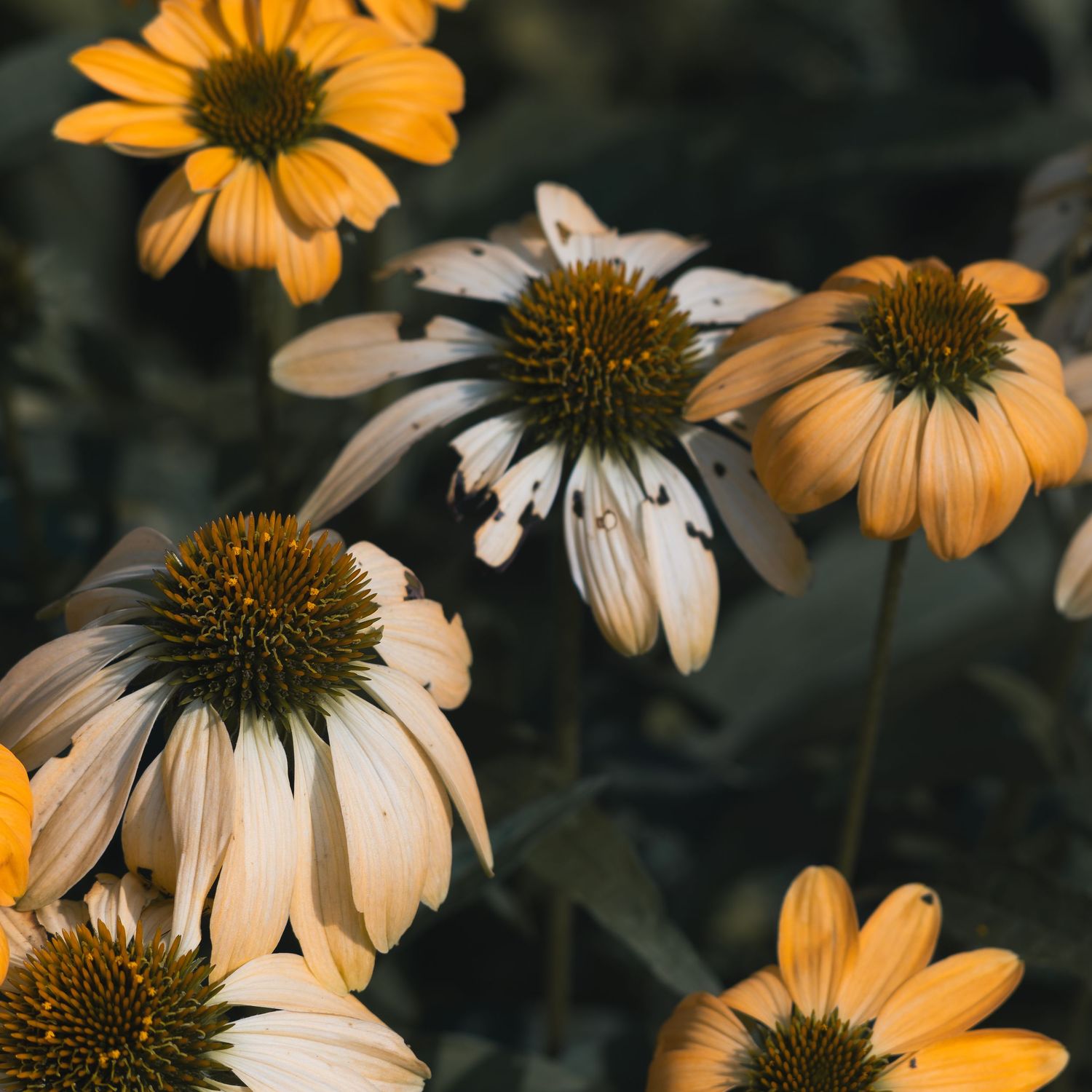
Photography has slowly changed that.
It has taught me that documenting is its own form of stewardship. Paying sustained attention has value. Bearing witness has value.
I may never be able to solve these issues, but I can contribute honestly to the conversation—to give a voice to landscapes and species that cannot speak for themselves, while appreciating what still remains.
An imperfect architect.
An imperfect conservationist.
An imperfect archivist.
A lover of this land.