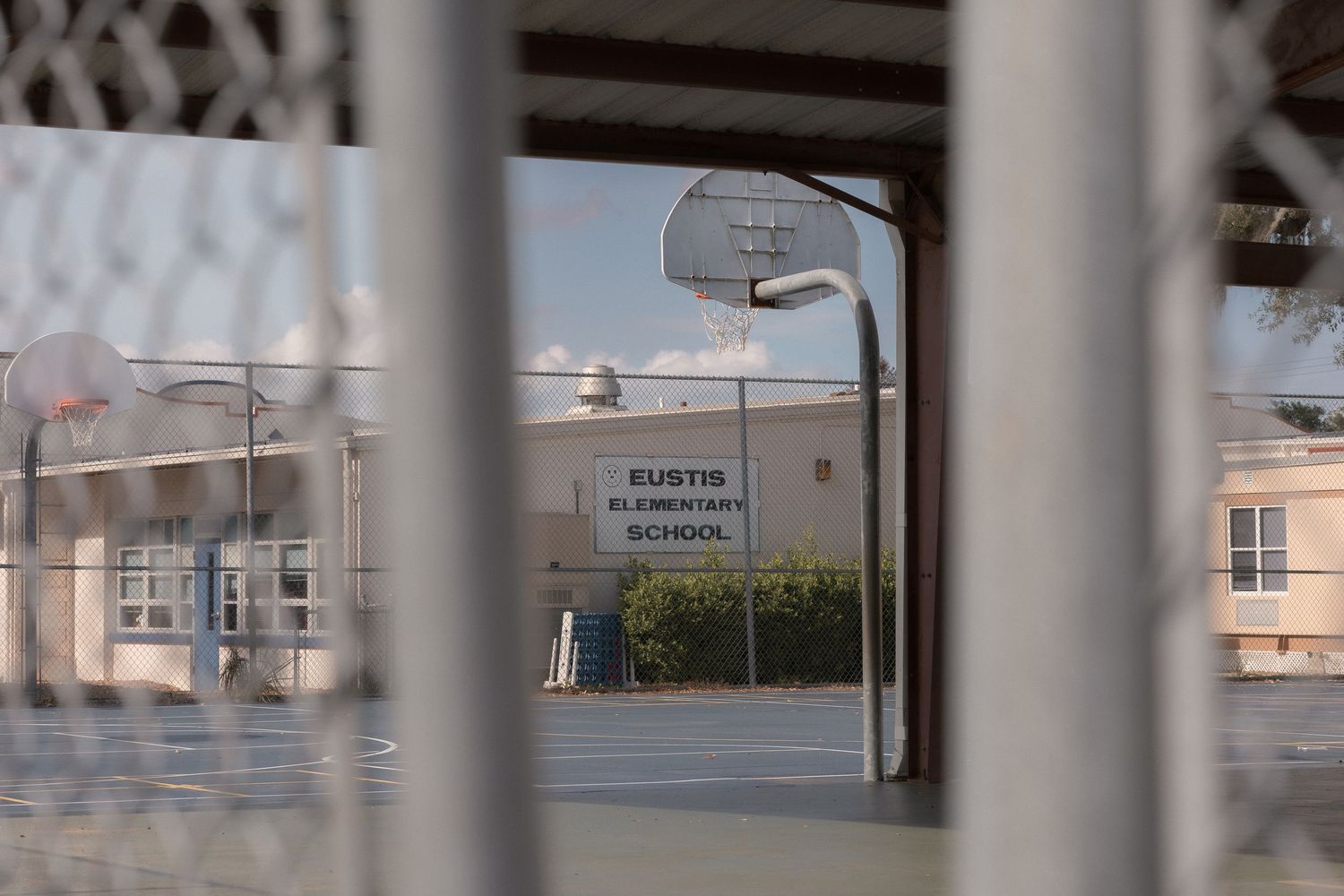
While researching Eustis High School and the Curtright Campus, a local article mentioned that Curtright will be used for two years as a flex school while Eustis Elementary is rebuilt starting next summer. I attended Eustis Heights Elementary, but my husband was a student Eustis Elementary for kindergarten, first, and part of second grade. I asked him what he remembered about the now 102-year-old school.
The first memory that came to mind was the smell of the roof being retarred. Every year, there was maintenance performed on the flat roof and the sharp scent would be everywhere.
The second memory was having his class moved into the basement for several months while an issue was being fixed in the classroom above. He remembers the musty smell and how dark the classrooms were. At story time, the teacher had to aim the book toward the small window light just to be able to read the text.
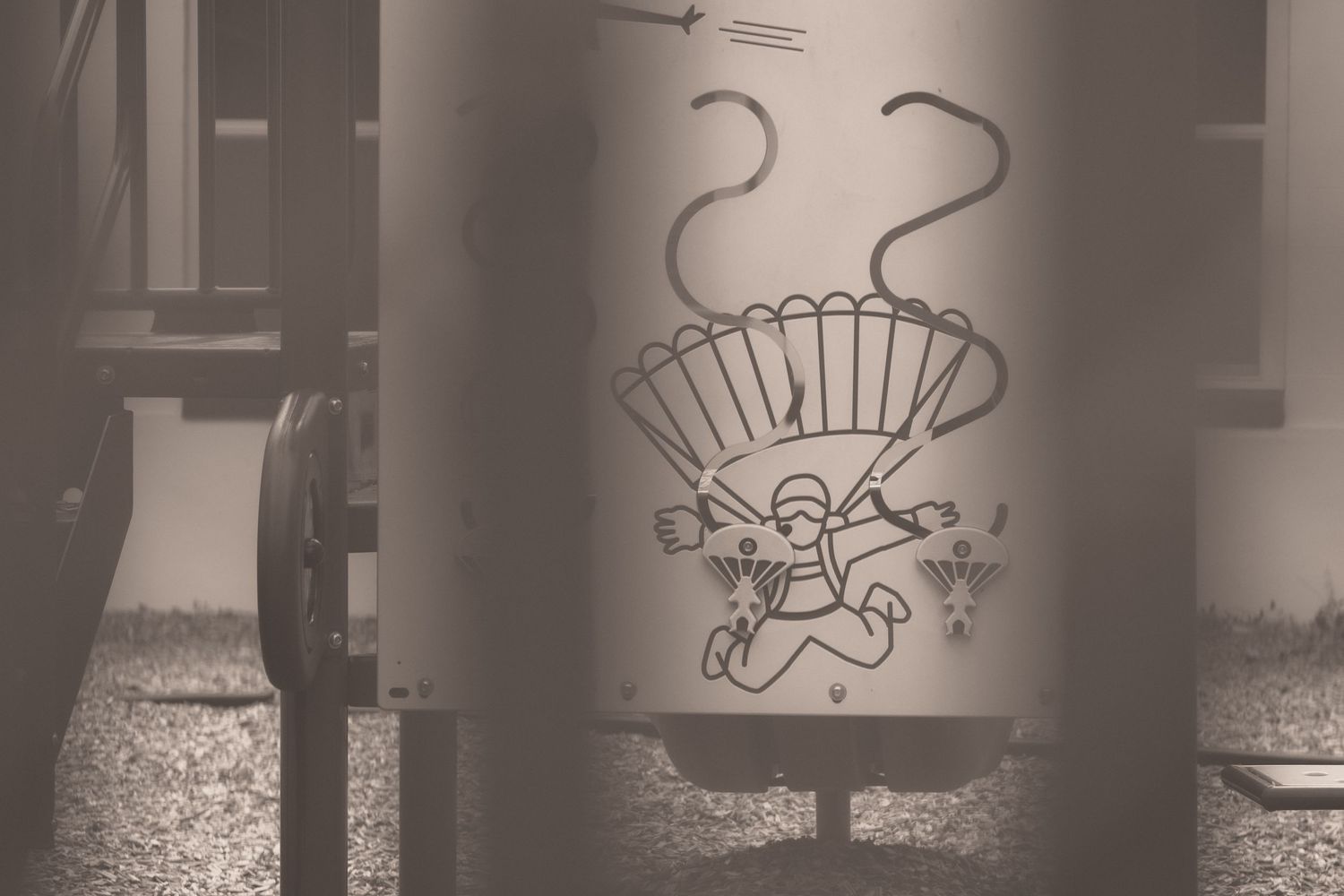
The playground was mostly rusty metal and old tires. His favorite activity was searching inside the old tires to catch frogs.
I went to the school by myself after visiting the high school to familiarize myself with the site. I had maybe seen it once or twice in passing as a child, but couldn’t recall much from the quick drive-by glimpses.
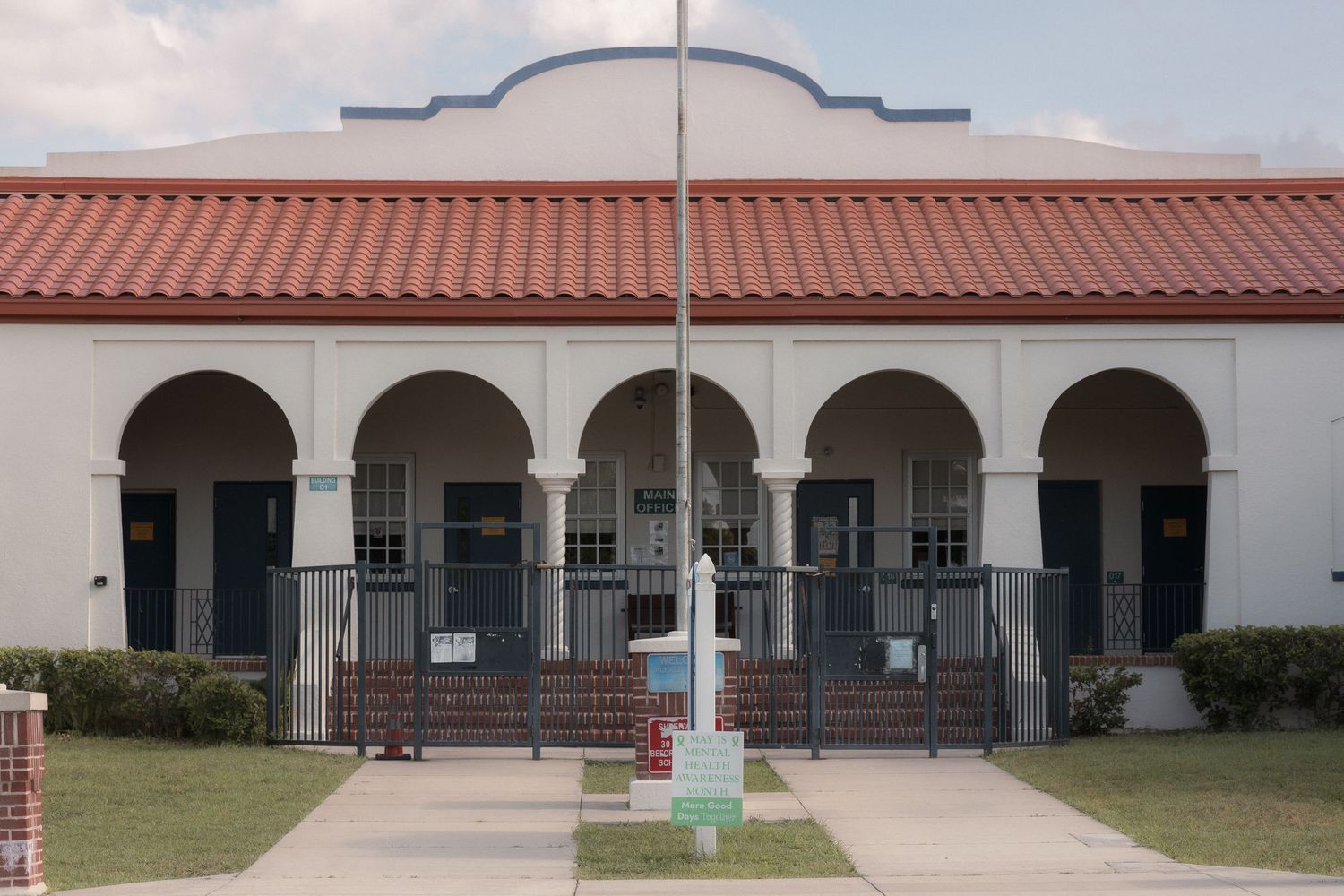
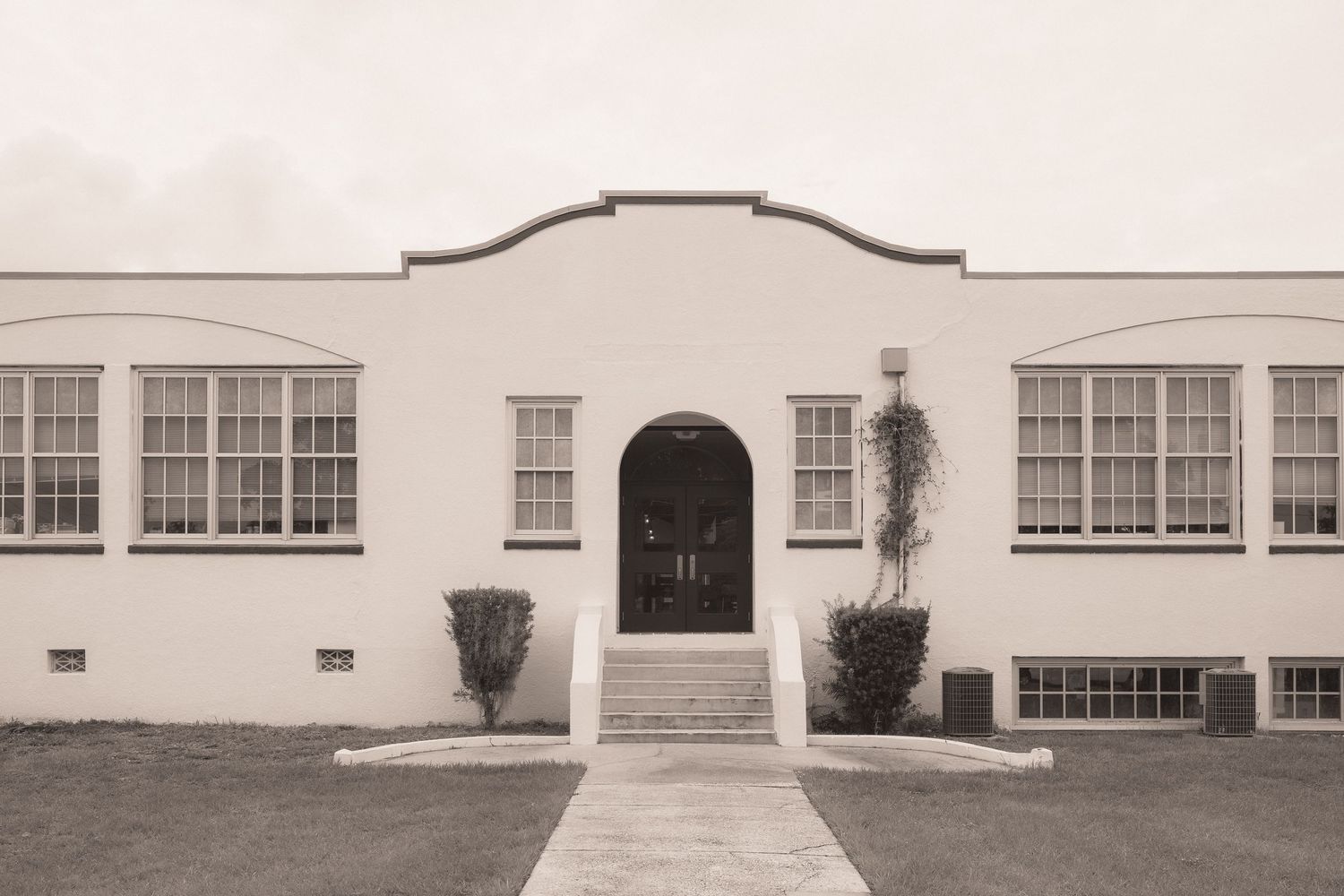
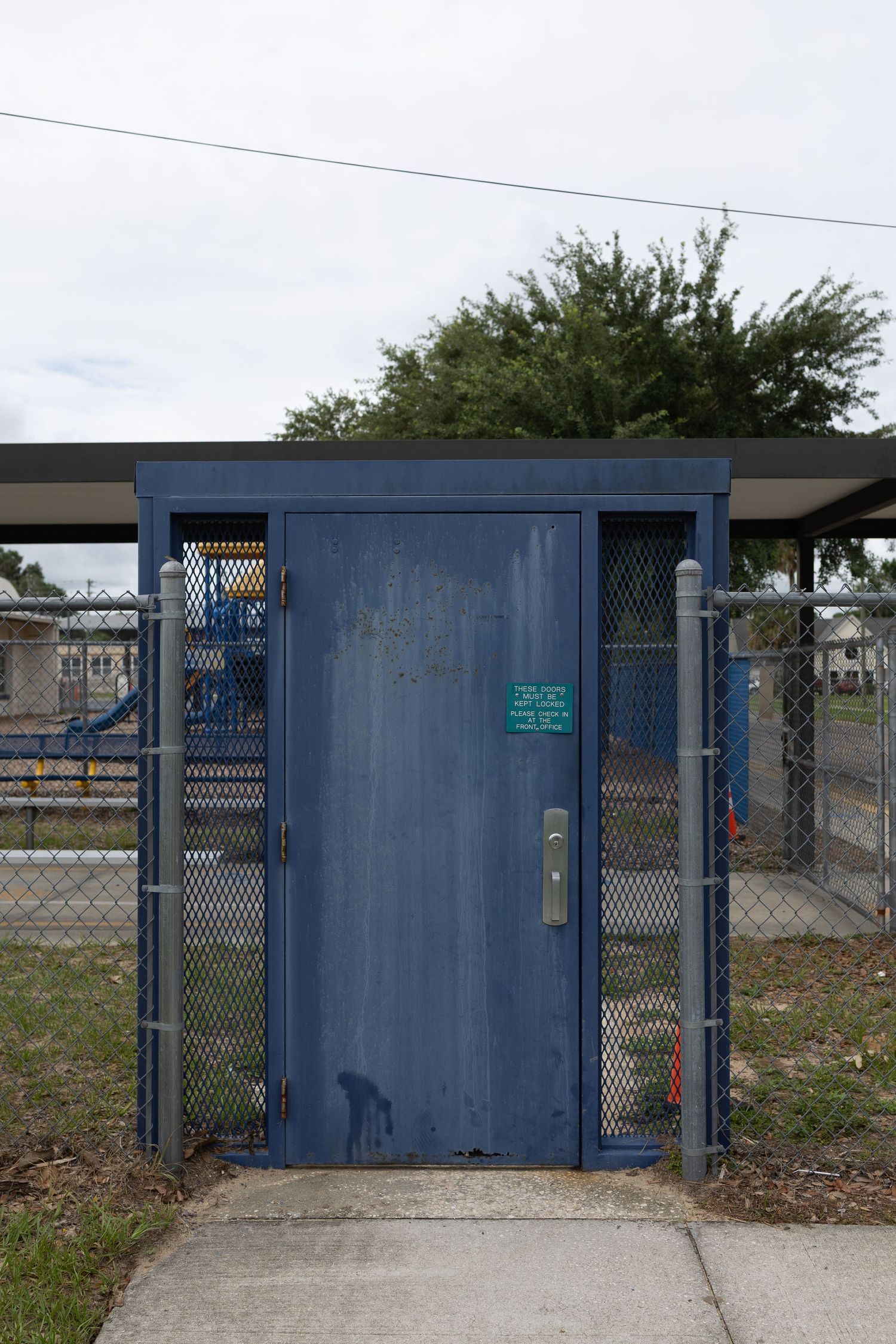
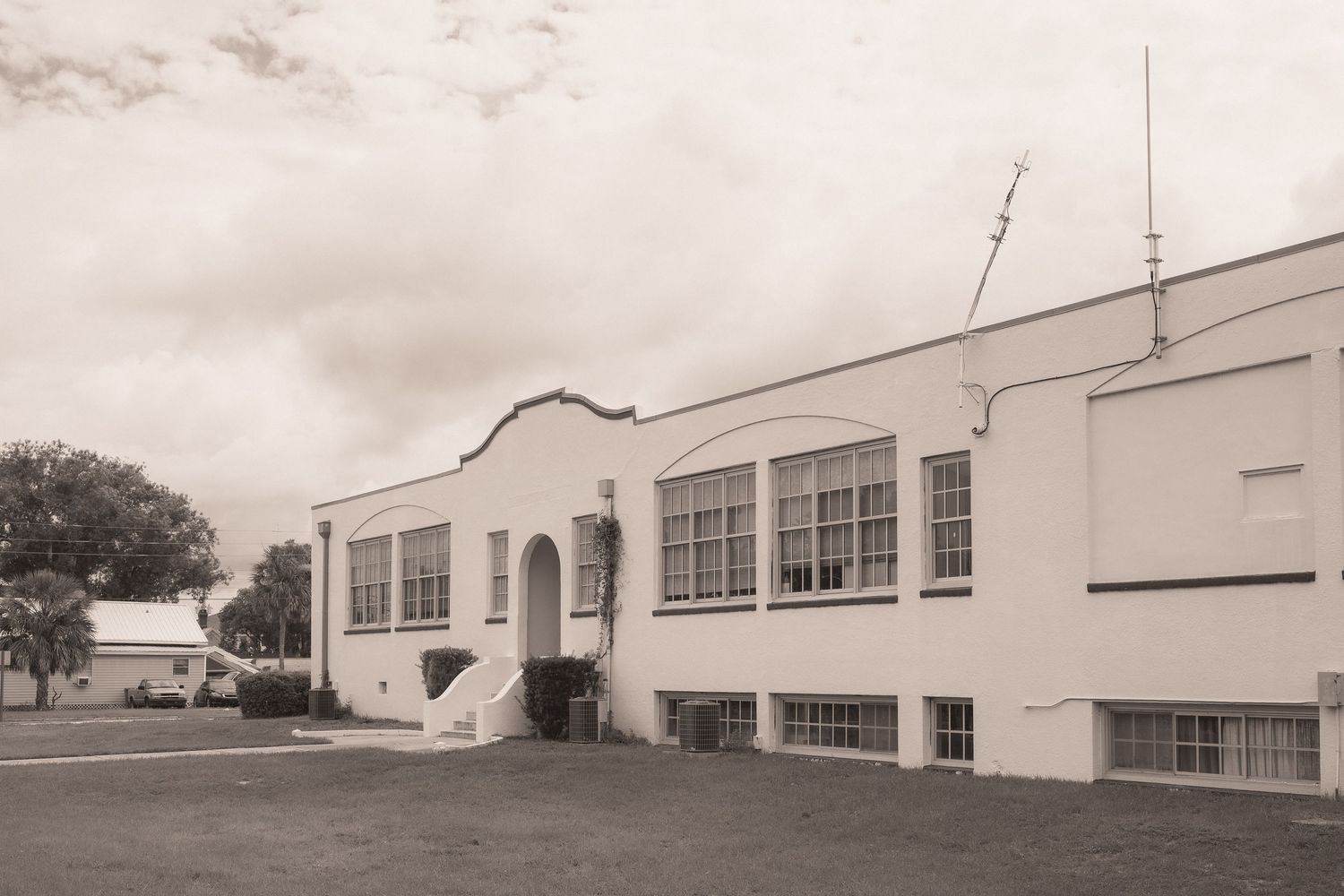
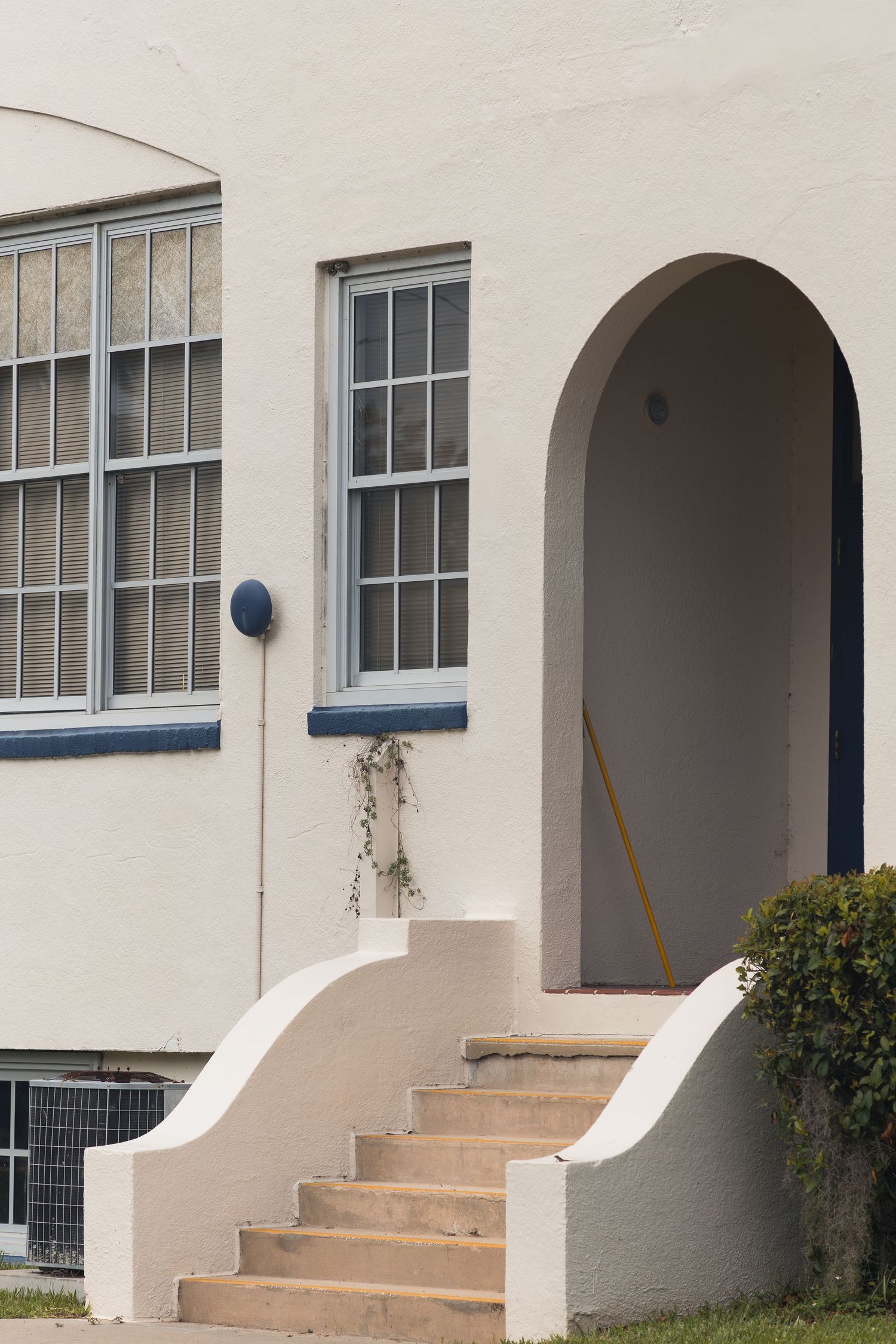
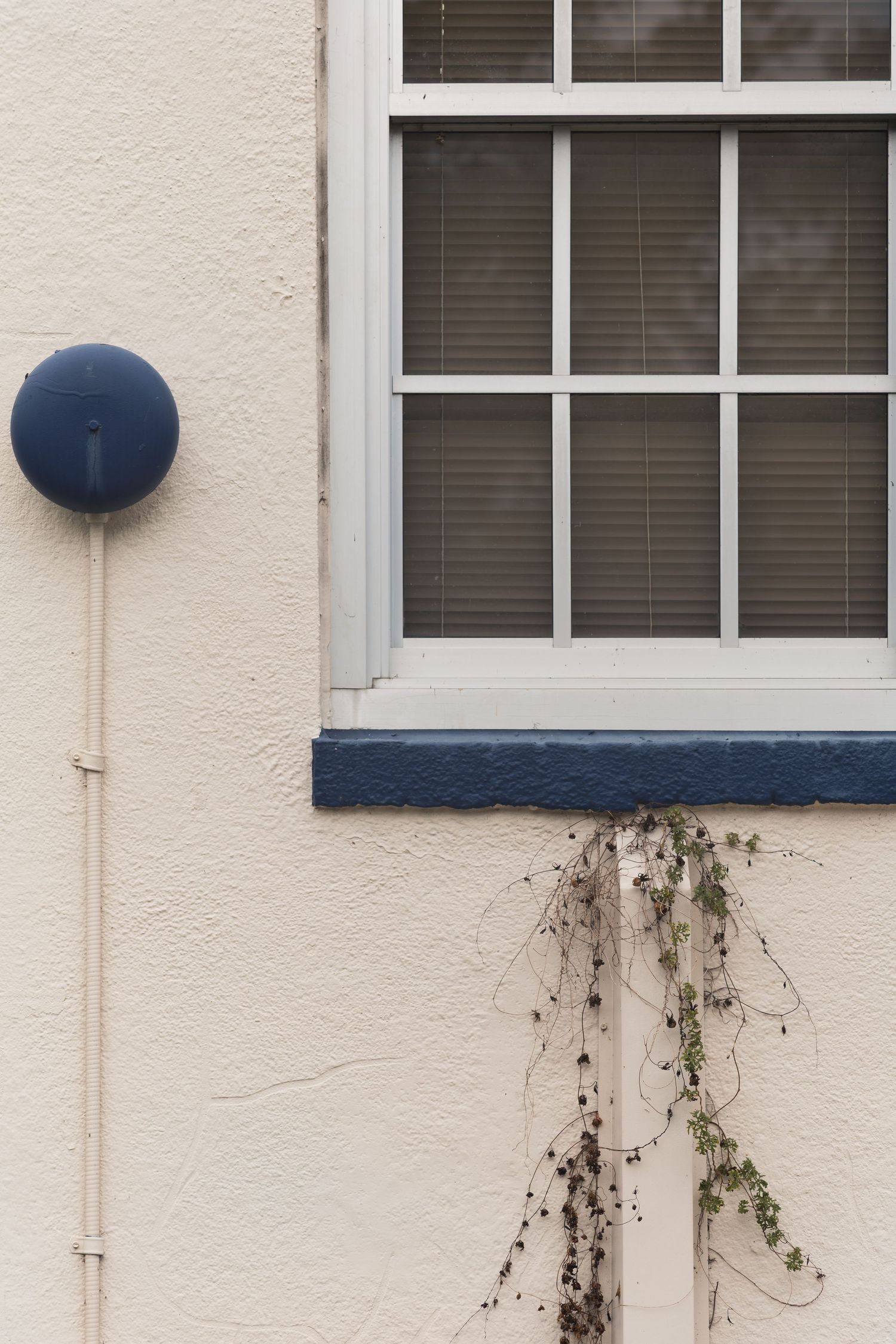
The age of the school was evident everywhere–from the distinct Spanish style architecture of the 1920s to the maintenance on the sidewalks, where there were sidewalks. I parked in the bus loop and started making my way around the campus. In several areas, vines were climbing up the exterior equipment poles. On several facades, it looked like the original openings had been enclosed at some point. Maybe a wall AC unit once sat there?
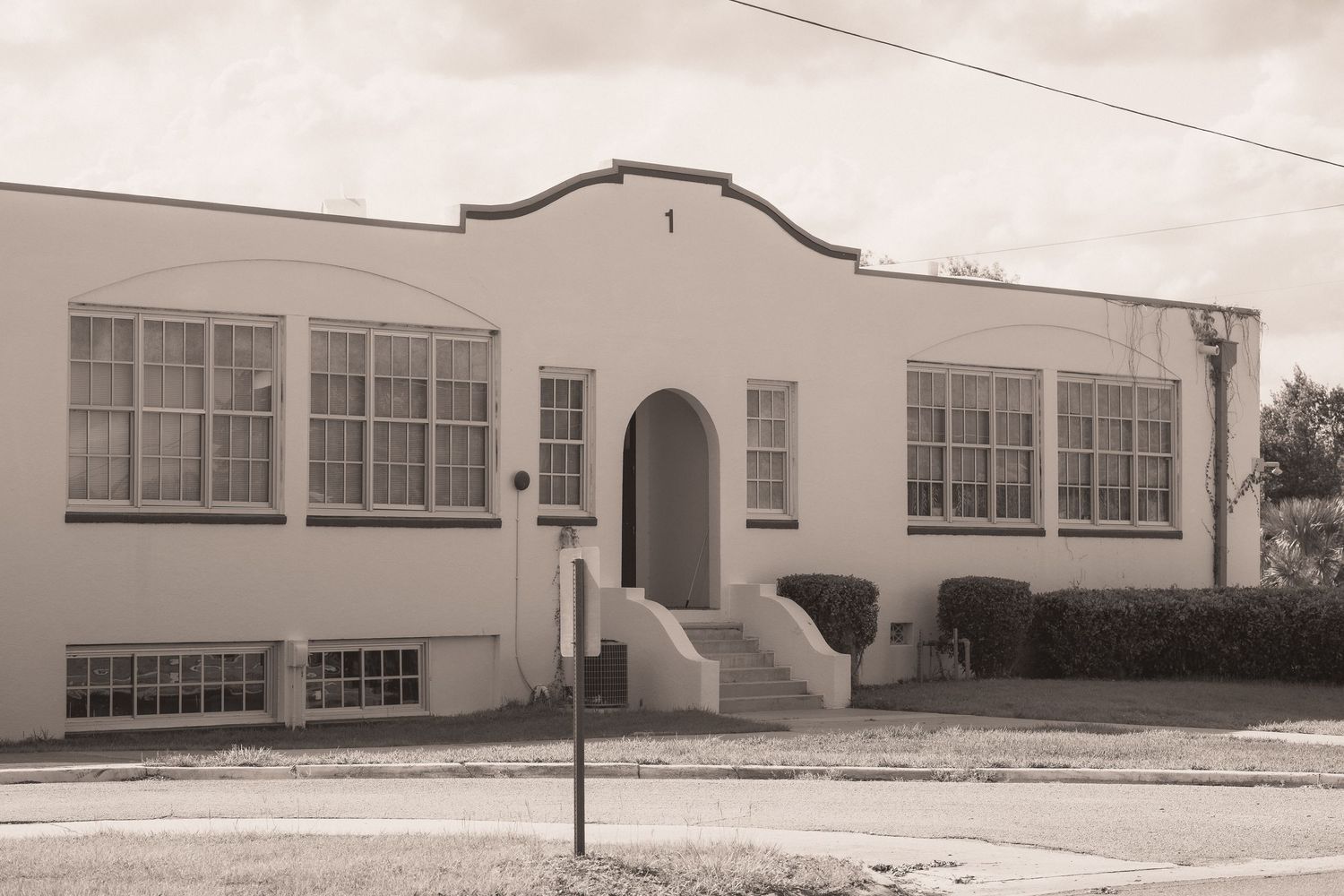
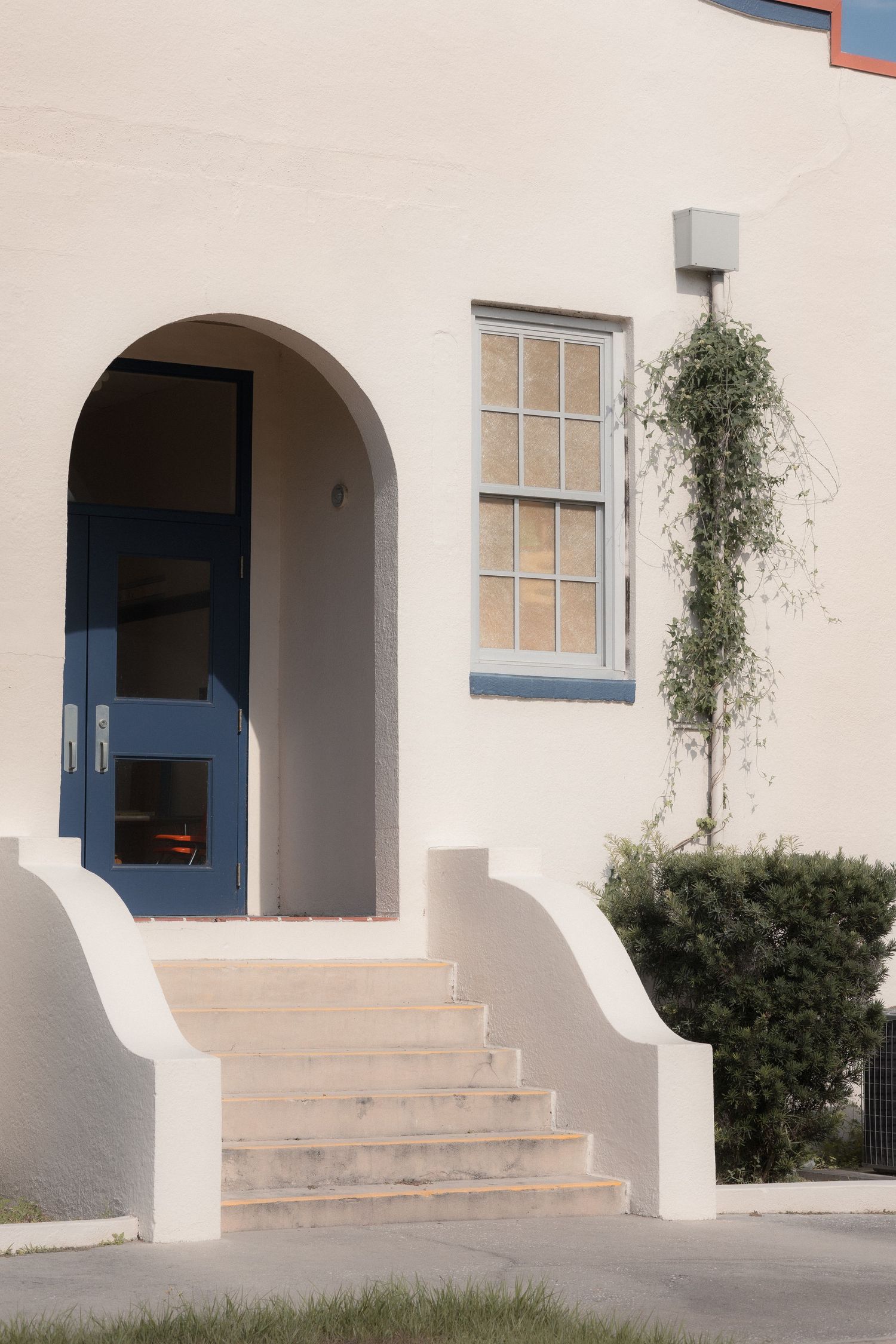
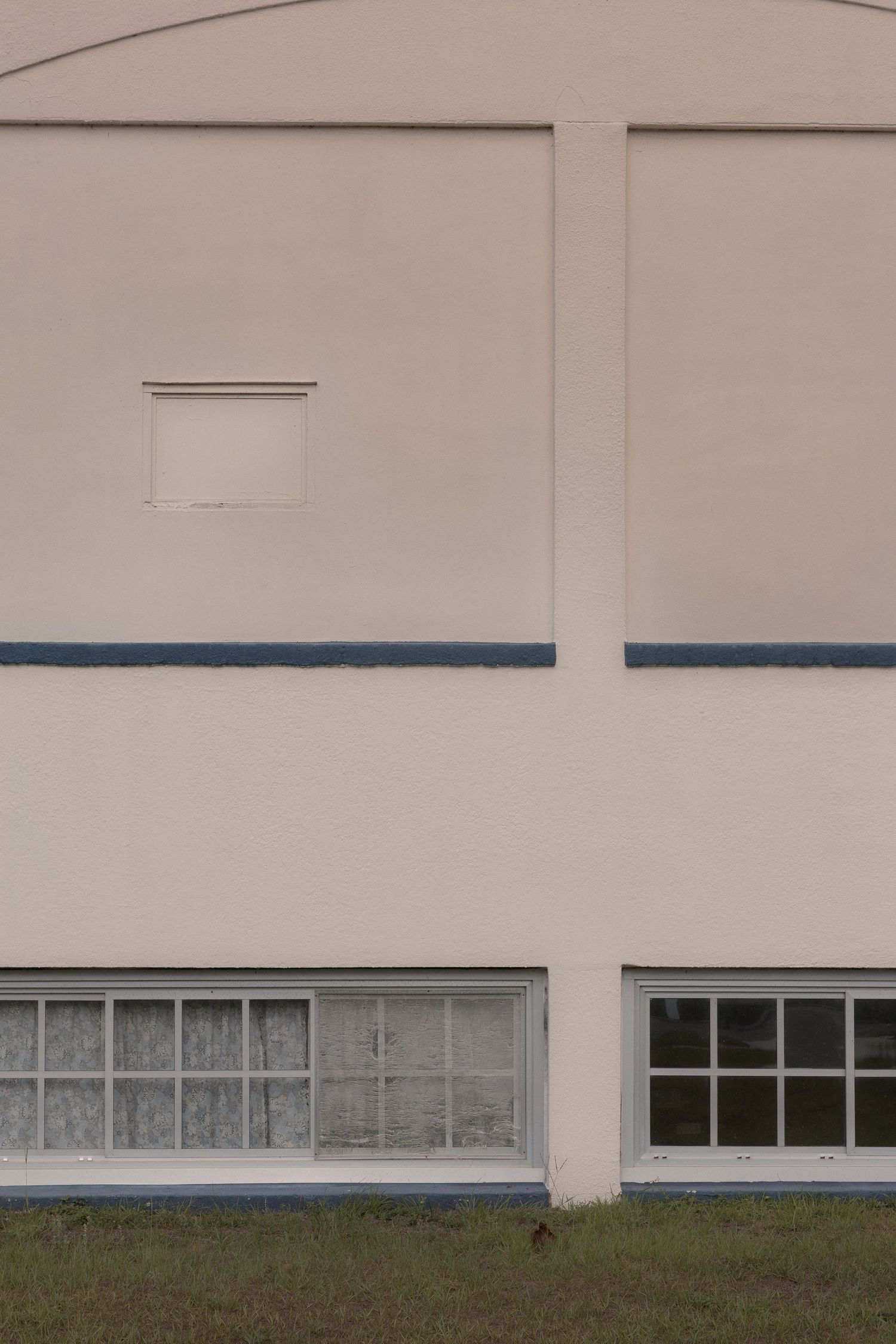
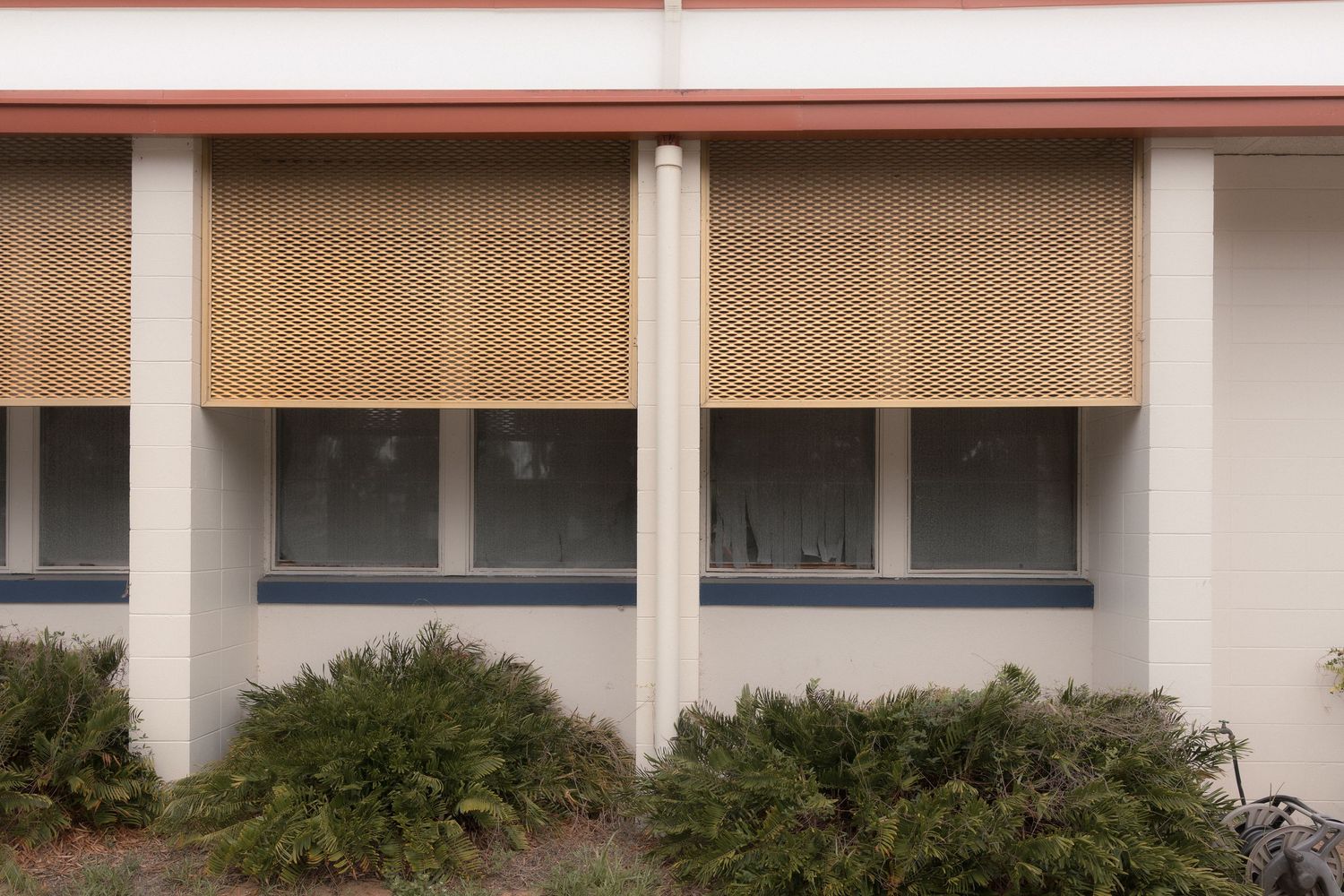
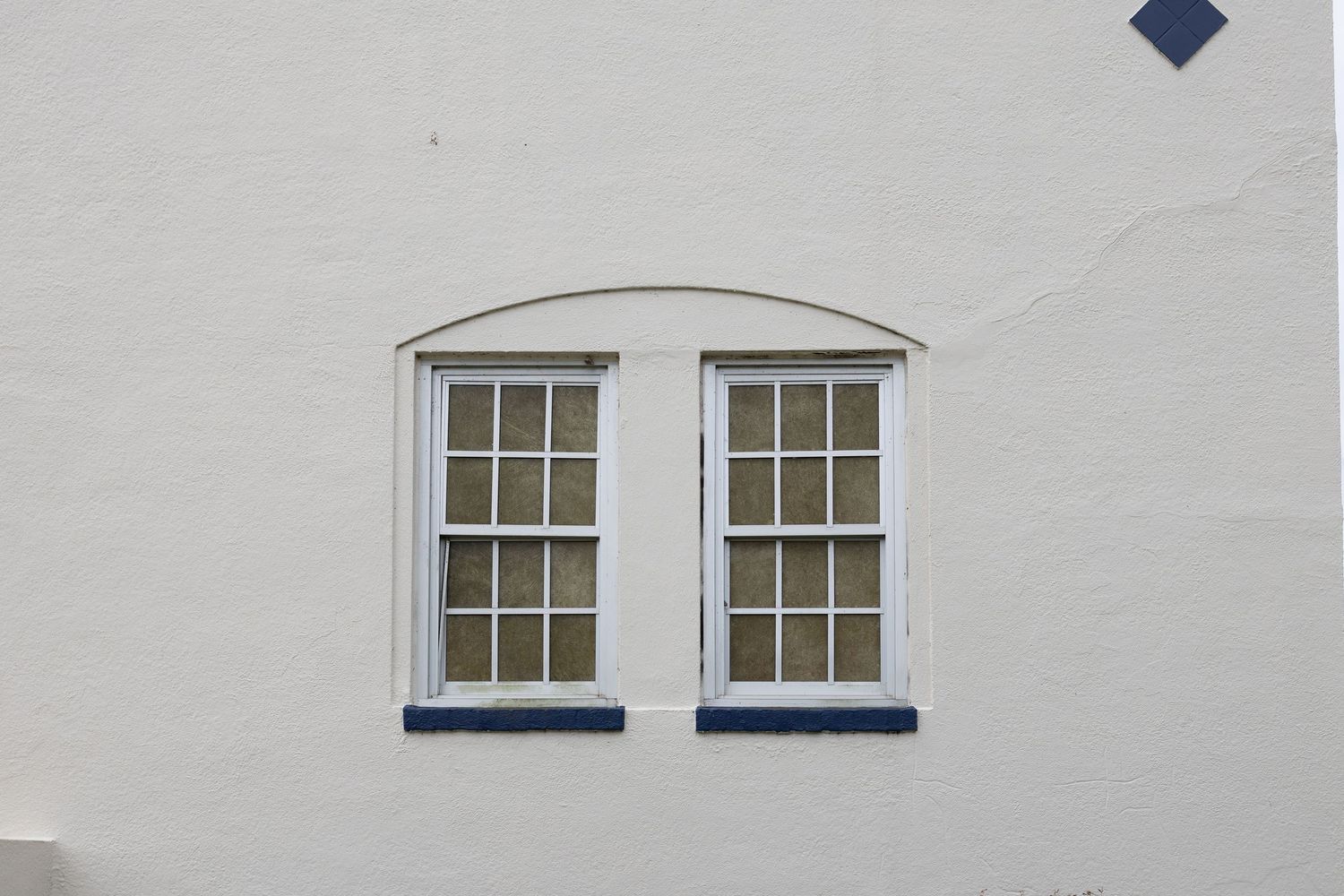
A van slowed down as it passed me, slower than I was comfortable with. I continued walking to the corner of the campus. Several of the window screens were shredded, and a few panes of glass had visibly been replaced over the decades.
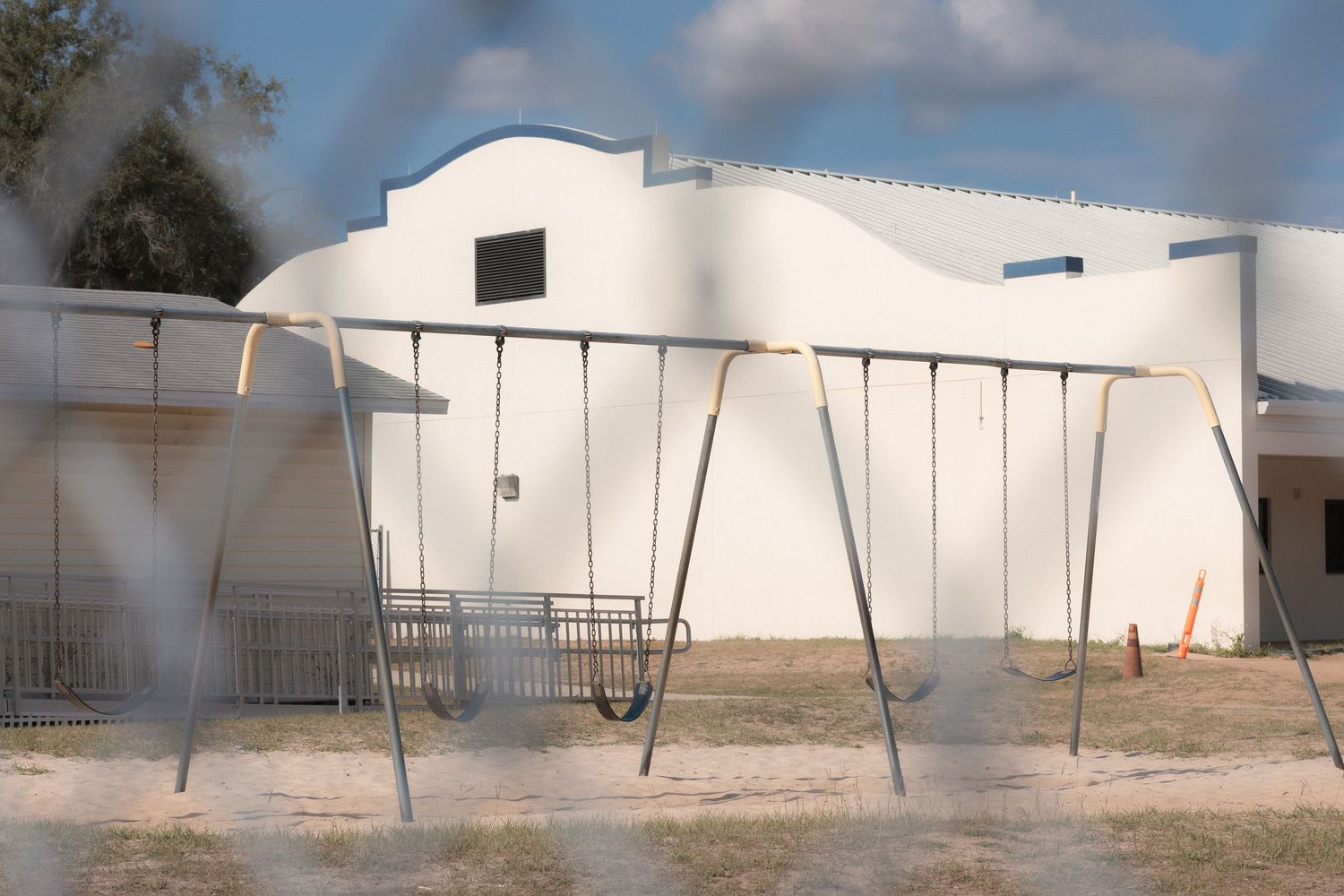
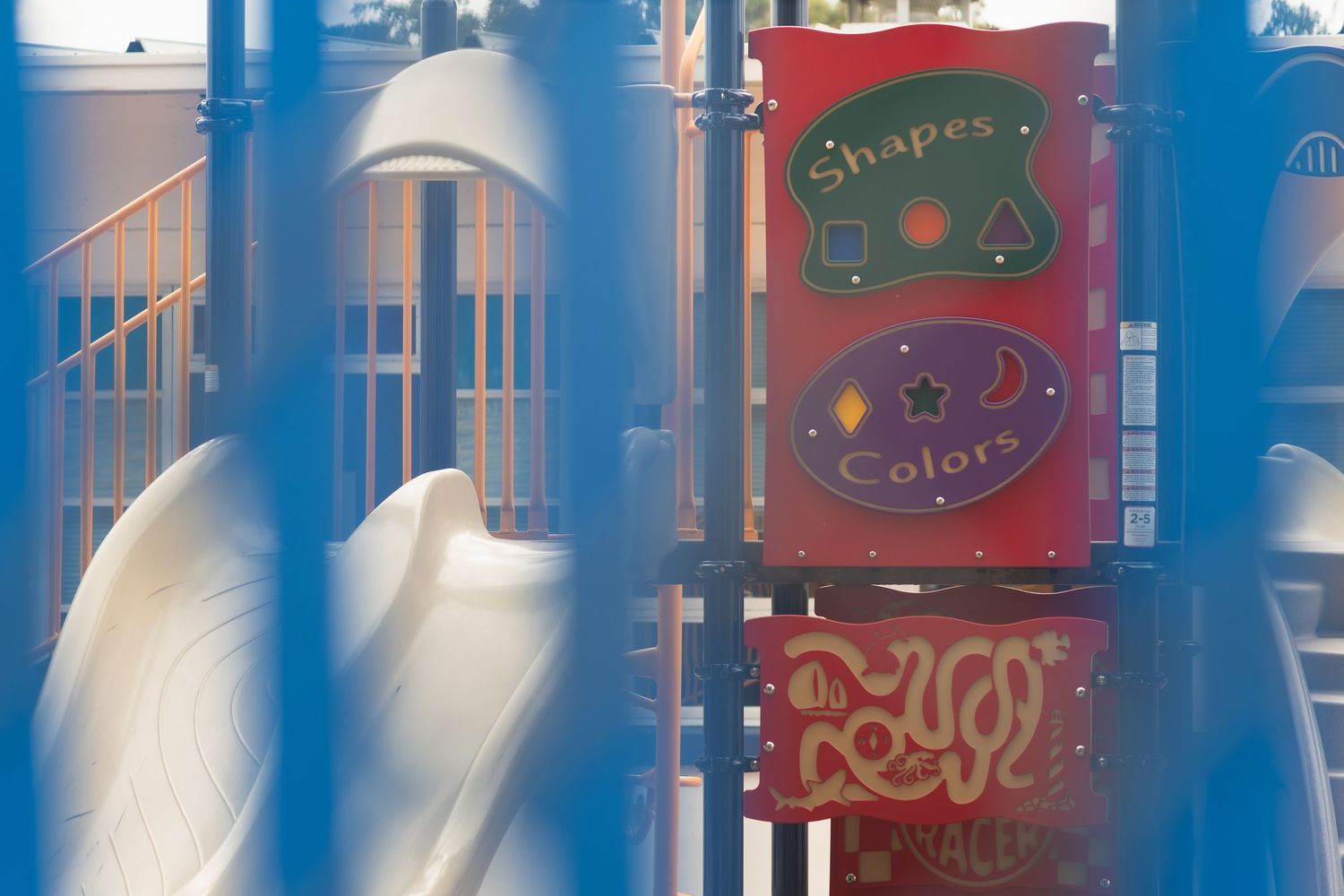
One of the playgrounds had vinyl privacy wrapping woven into the chain link fence, while the main playground did not. Walking next to it, the play structure was still visible between the plastic strips.
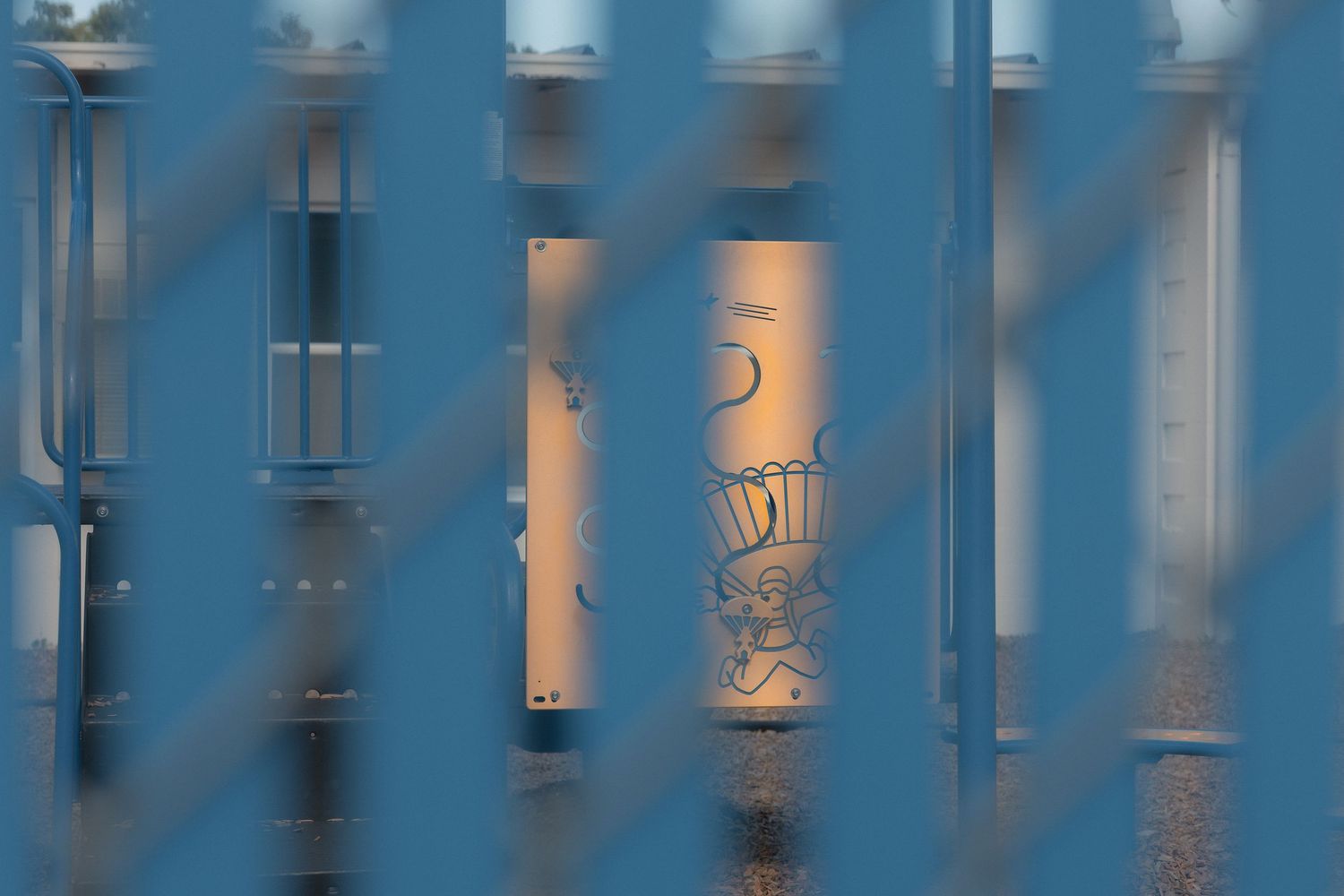
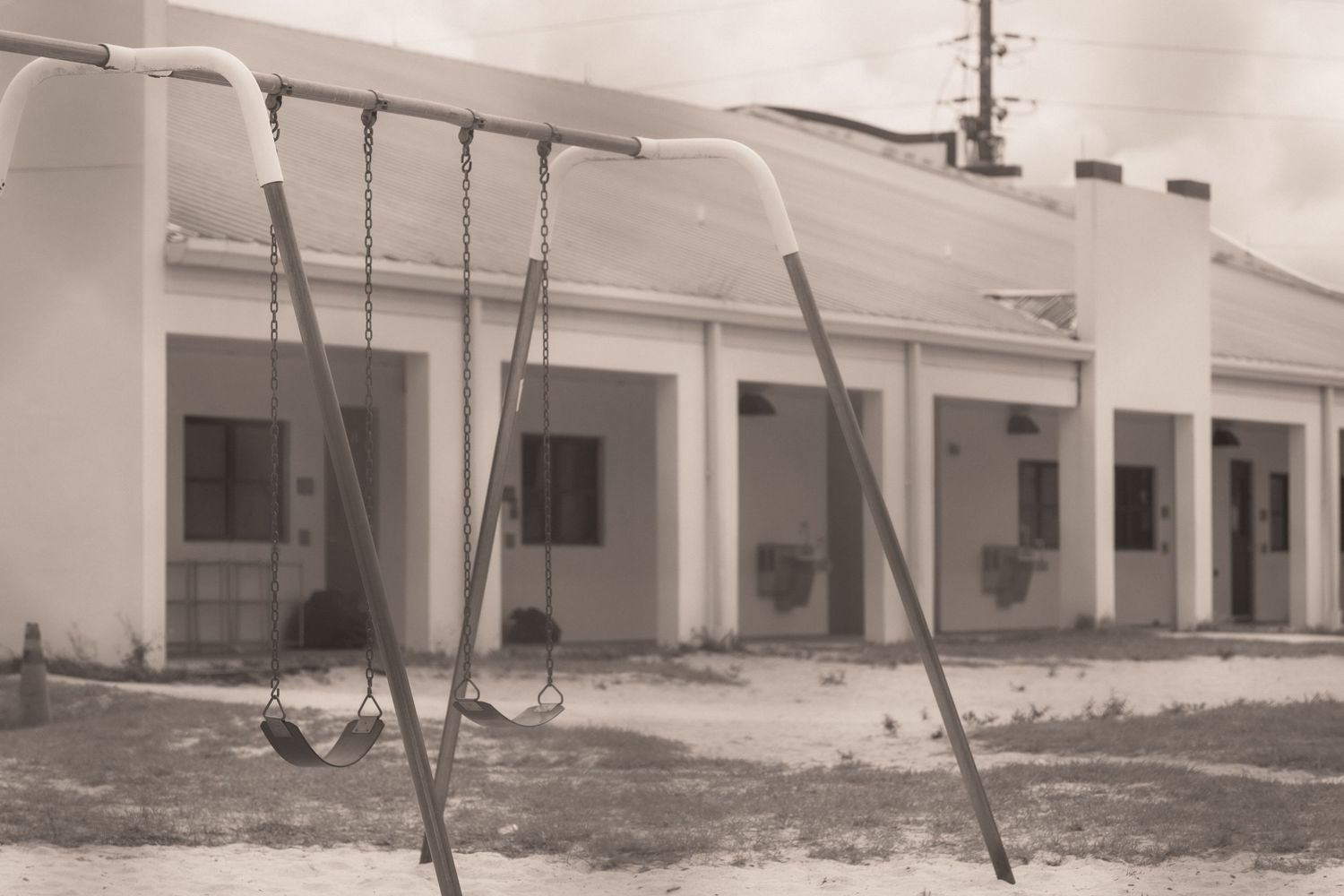
Near the back of the school, the playground almost looked abandoned. Orange cones and warning posts sat neglected next to the building.
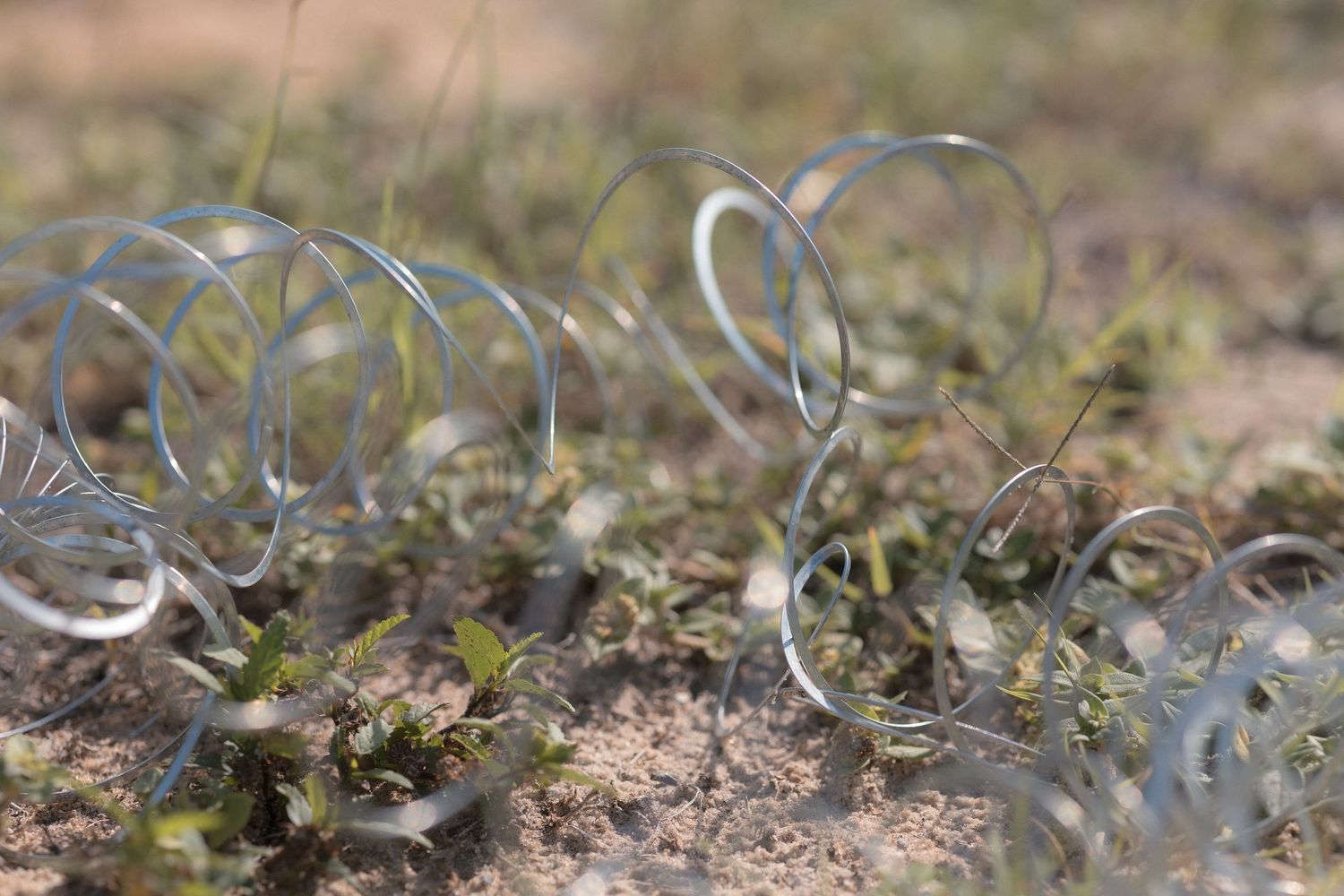
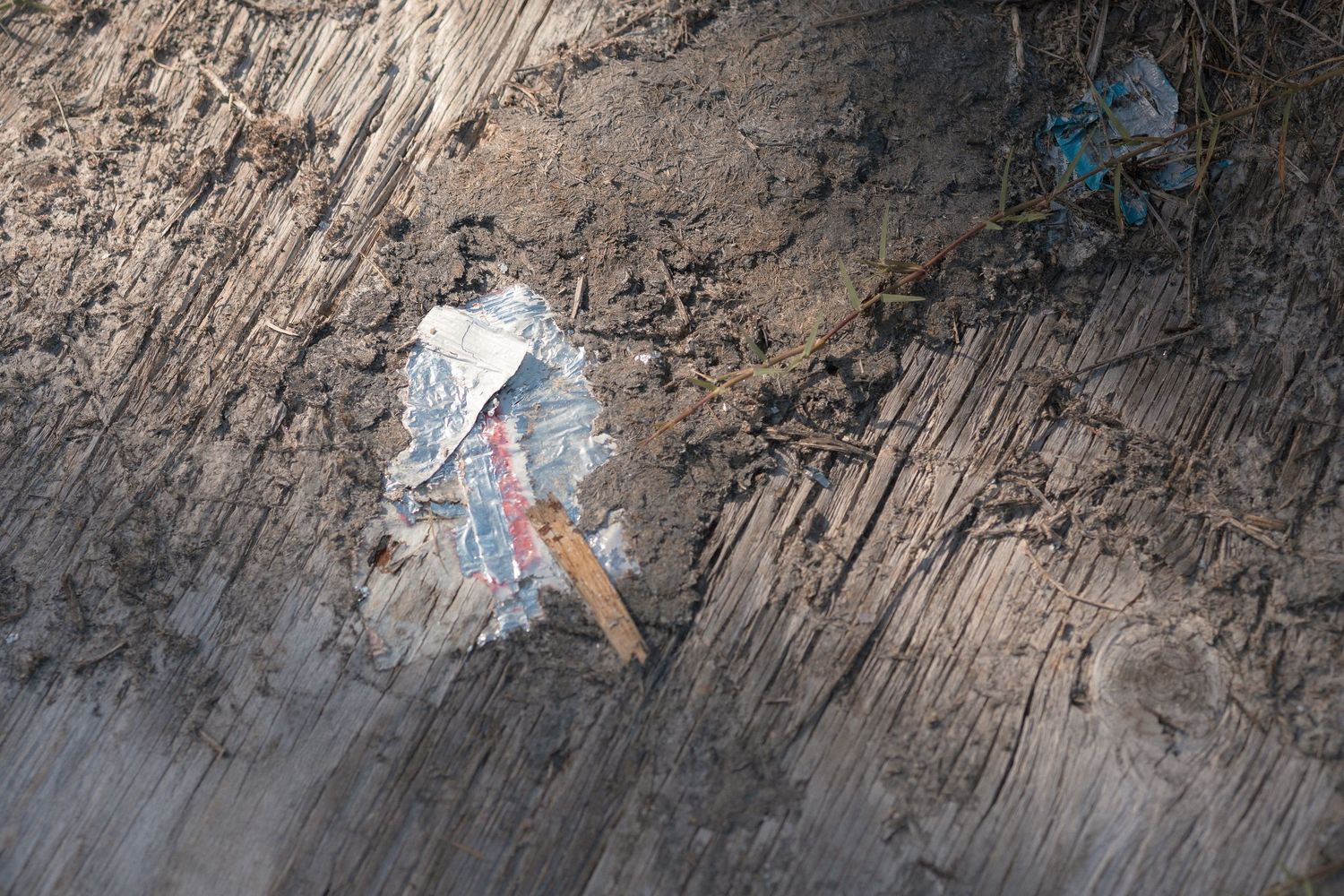
A stretched-out slinky left in the right-of-way almost looked like barbed wire from afar. Nearby, a plastic wrapper and popsicle stick were embedded in the dirt on an aged sheet of plywood.
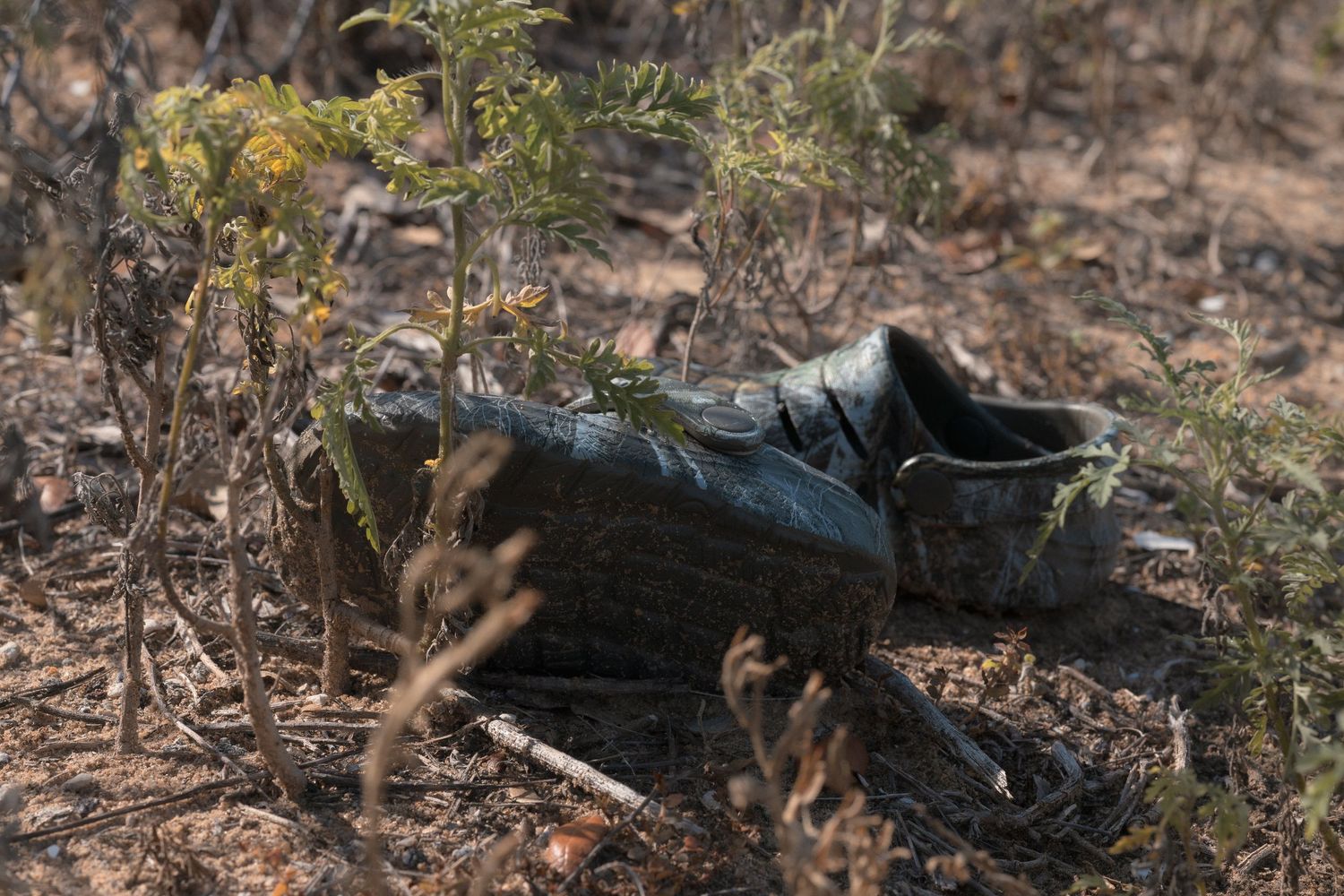
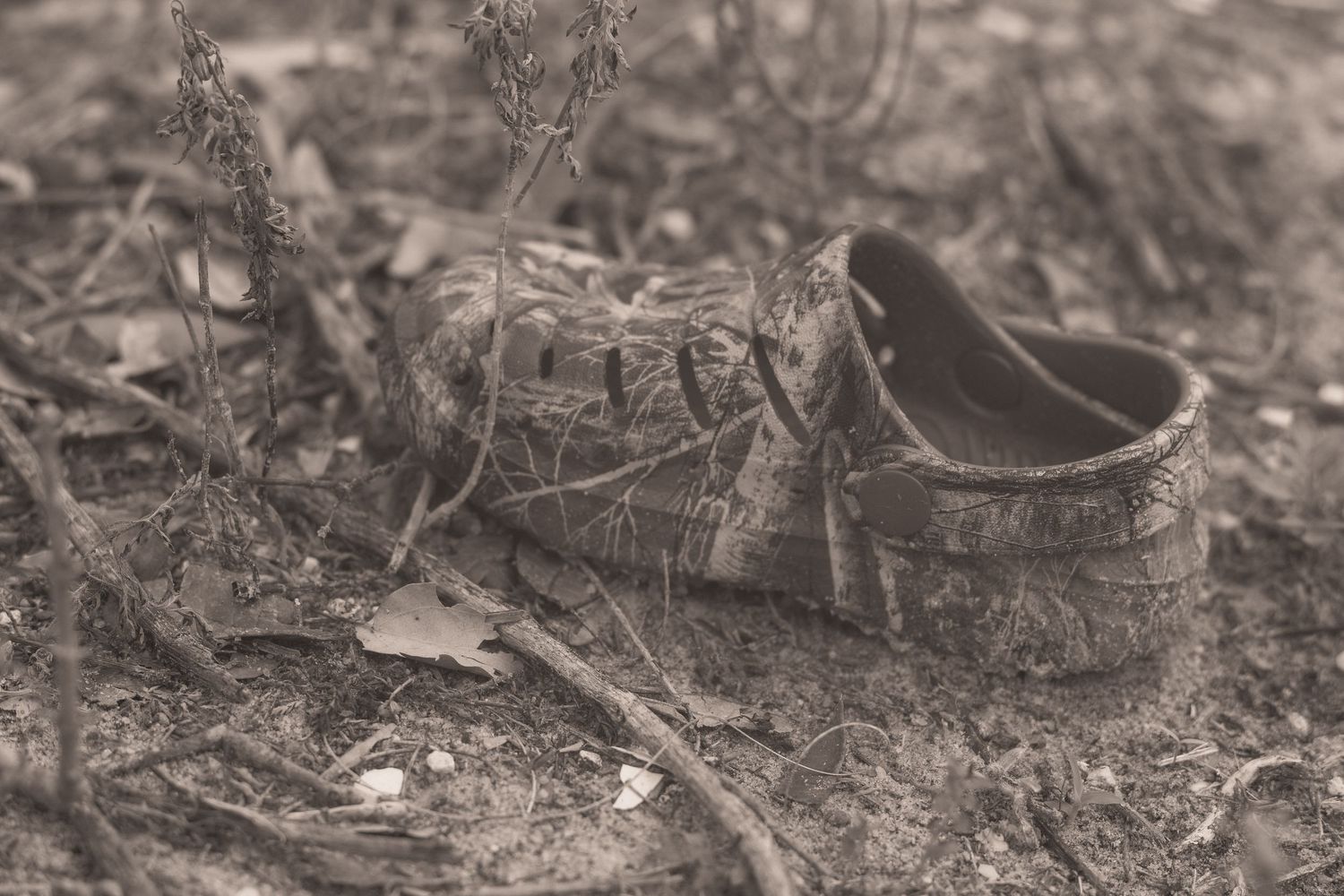
As I turned the corner back toward the bus loop, a pair of camouflaged Crocs sat in the weeds. I always wonder at forgotten shoes on the sides of roadways. How did they come to be there? Who did they belong to? Did they ever go back to search for them?
That concluded my first visit. My next one included my husband and daughter. We were already in the area showing her the high school, so the elementary school was the next natural stop.
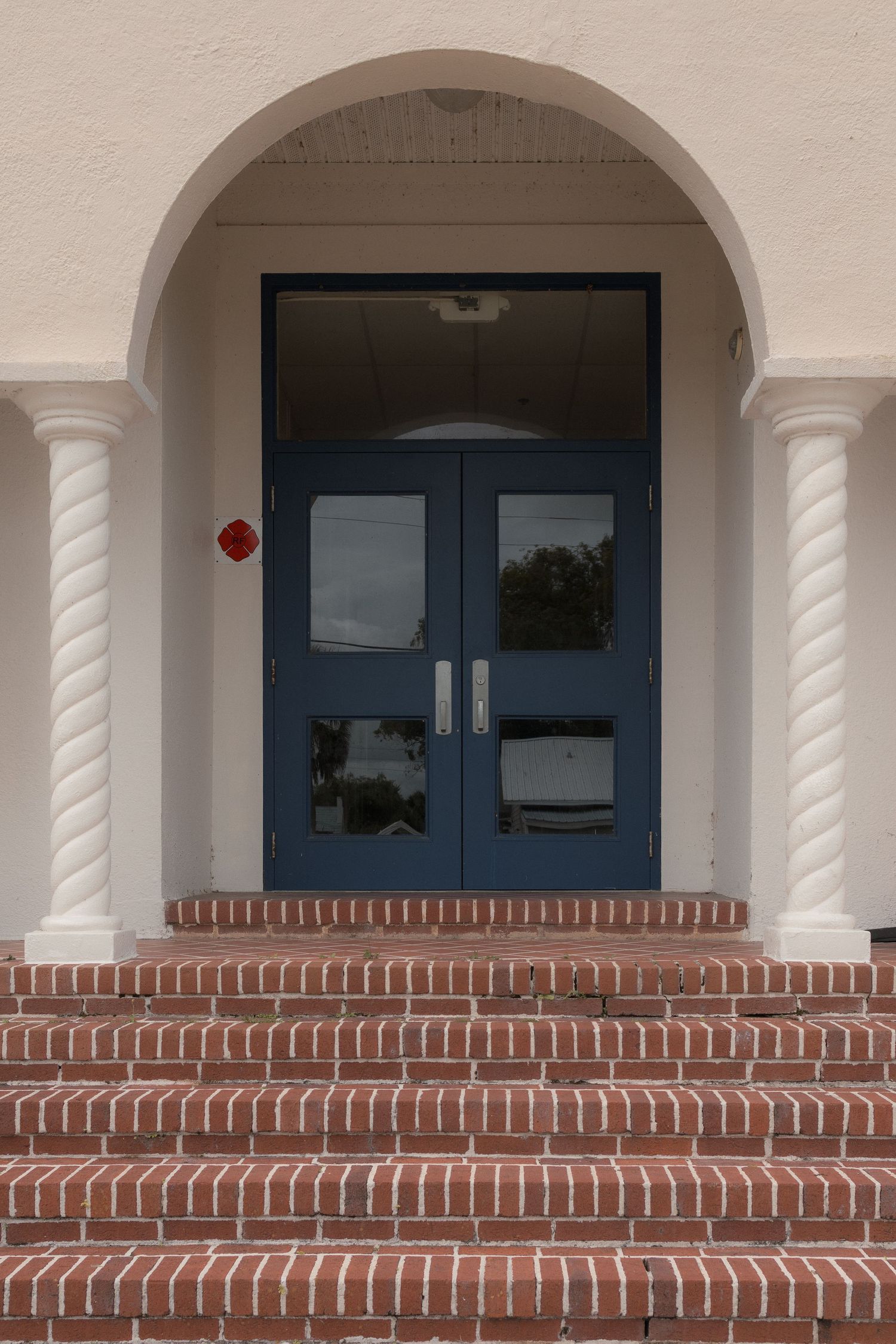
This time, I started in the teacher parking lot, a view I hadn’t captured on my last visit. Using a different lens, the proportions of the building made better sense to me. I enjoyed finding the symmetry within each facade, everything having balance.
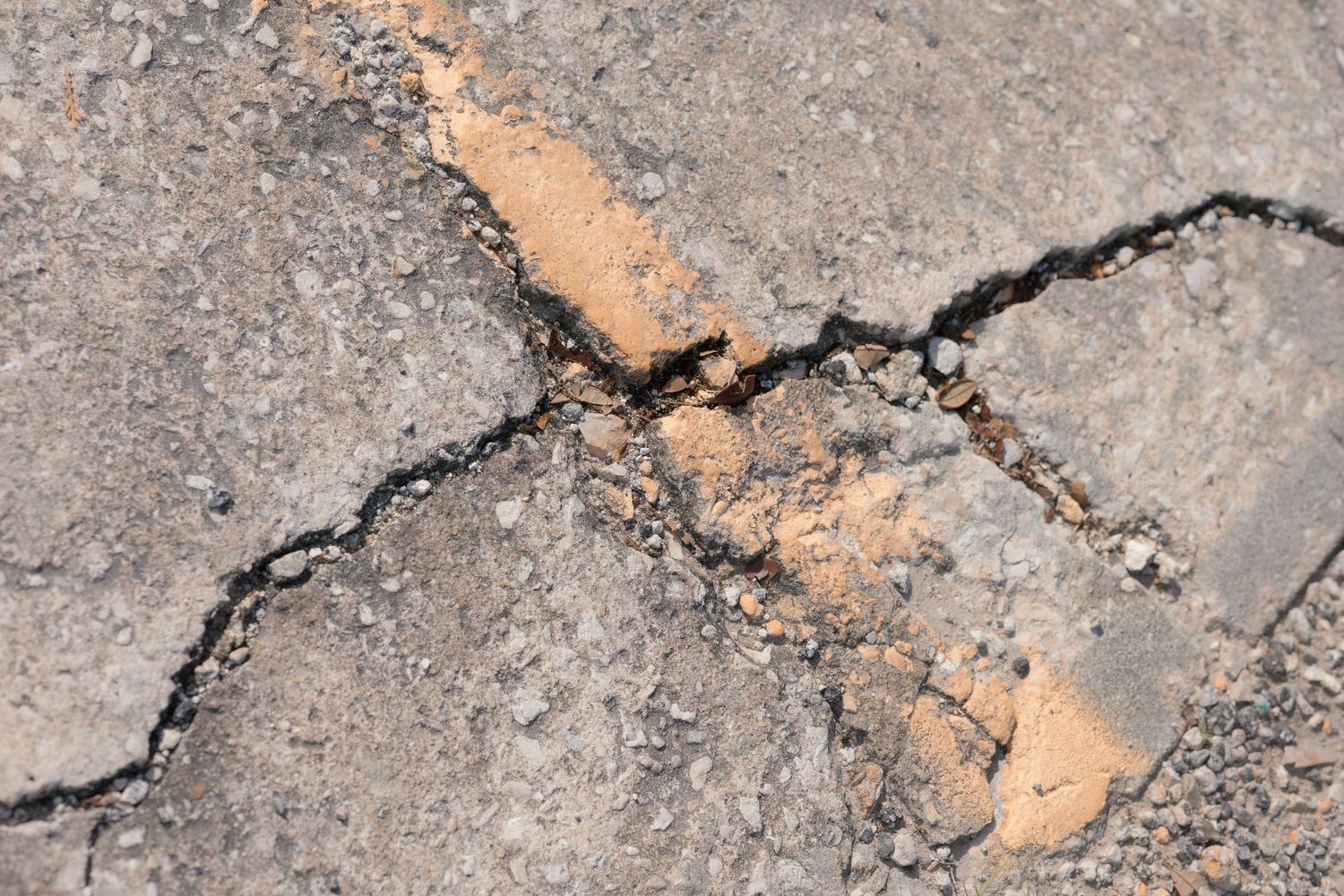
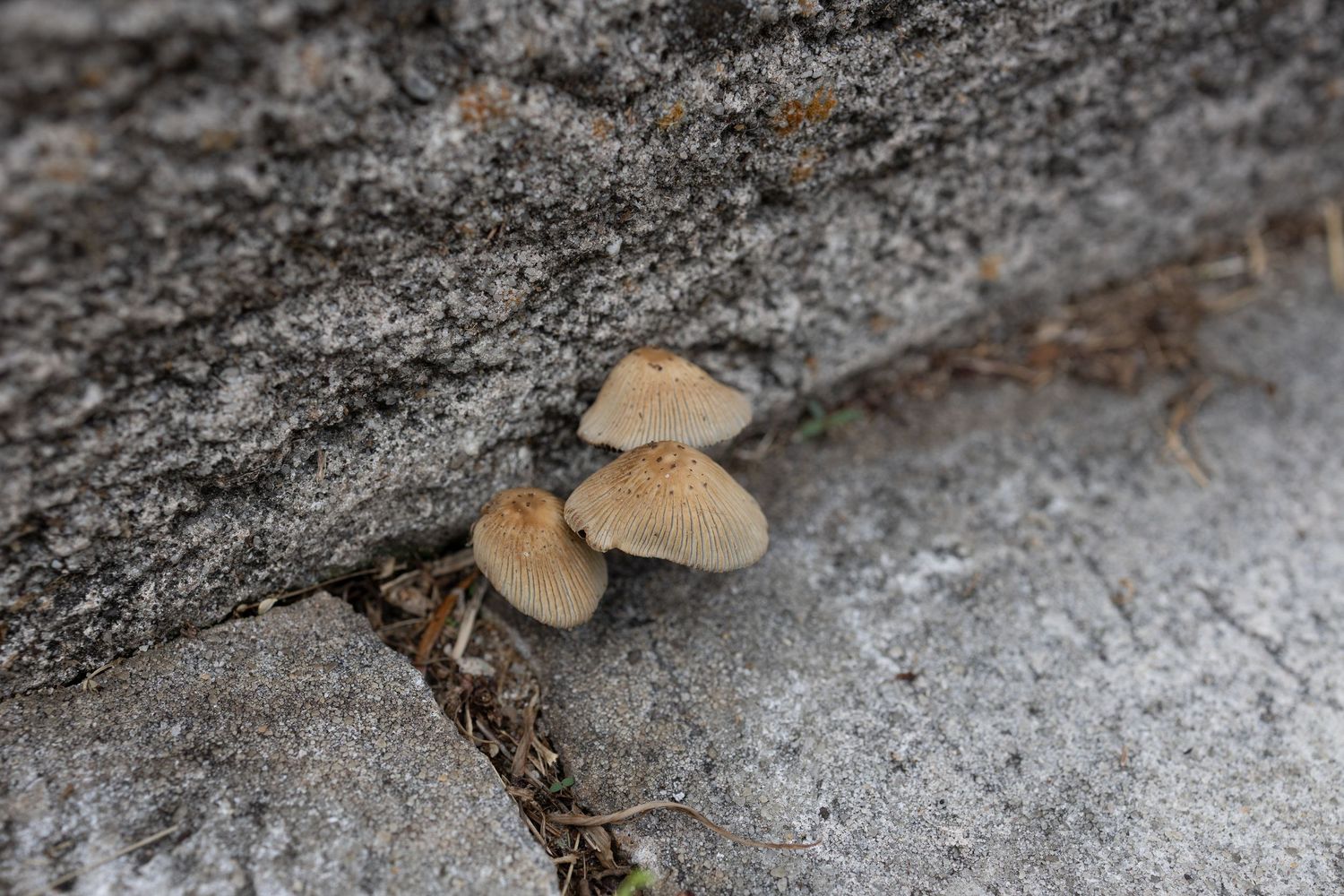
Still in an extreme drought, recent rain had sprouted a few mushrooms. Some appeared in expected places like the grass, while others pushed through less expected areas, like the seam between the concrete sidewalk and the base of a step.
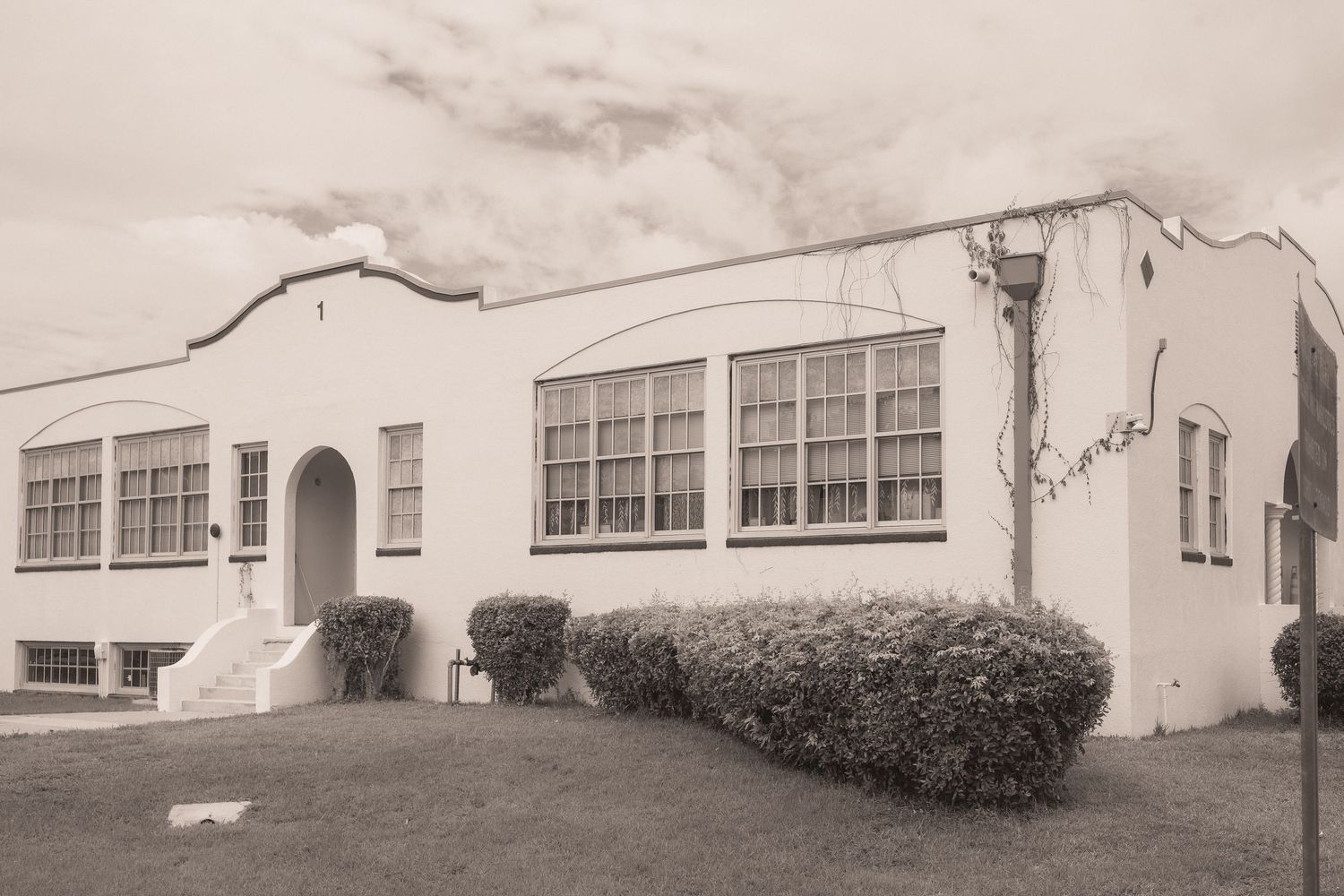
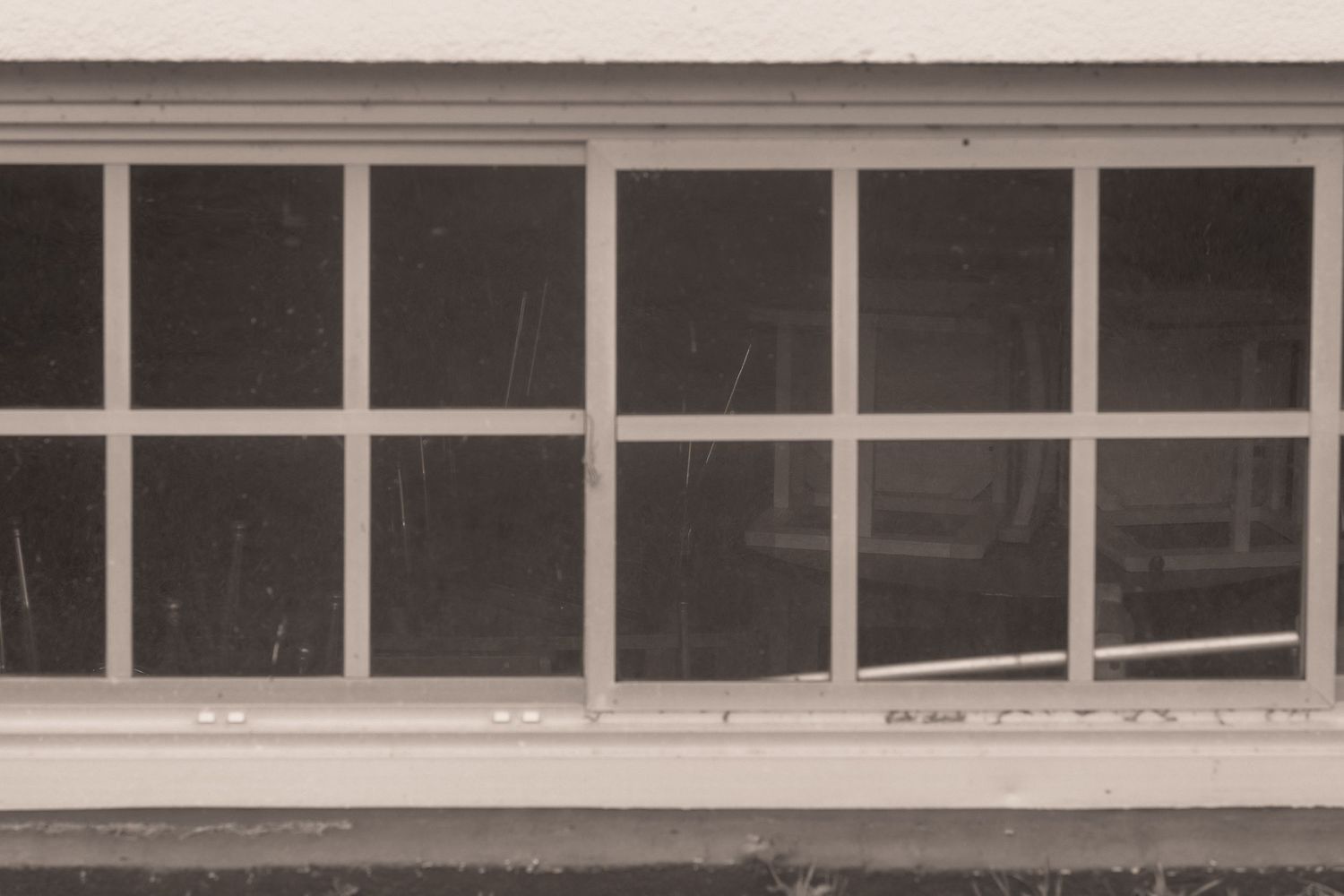
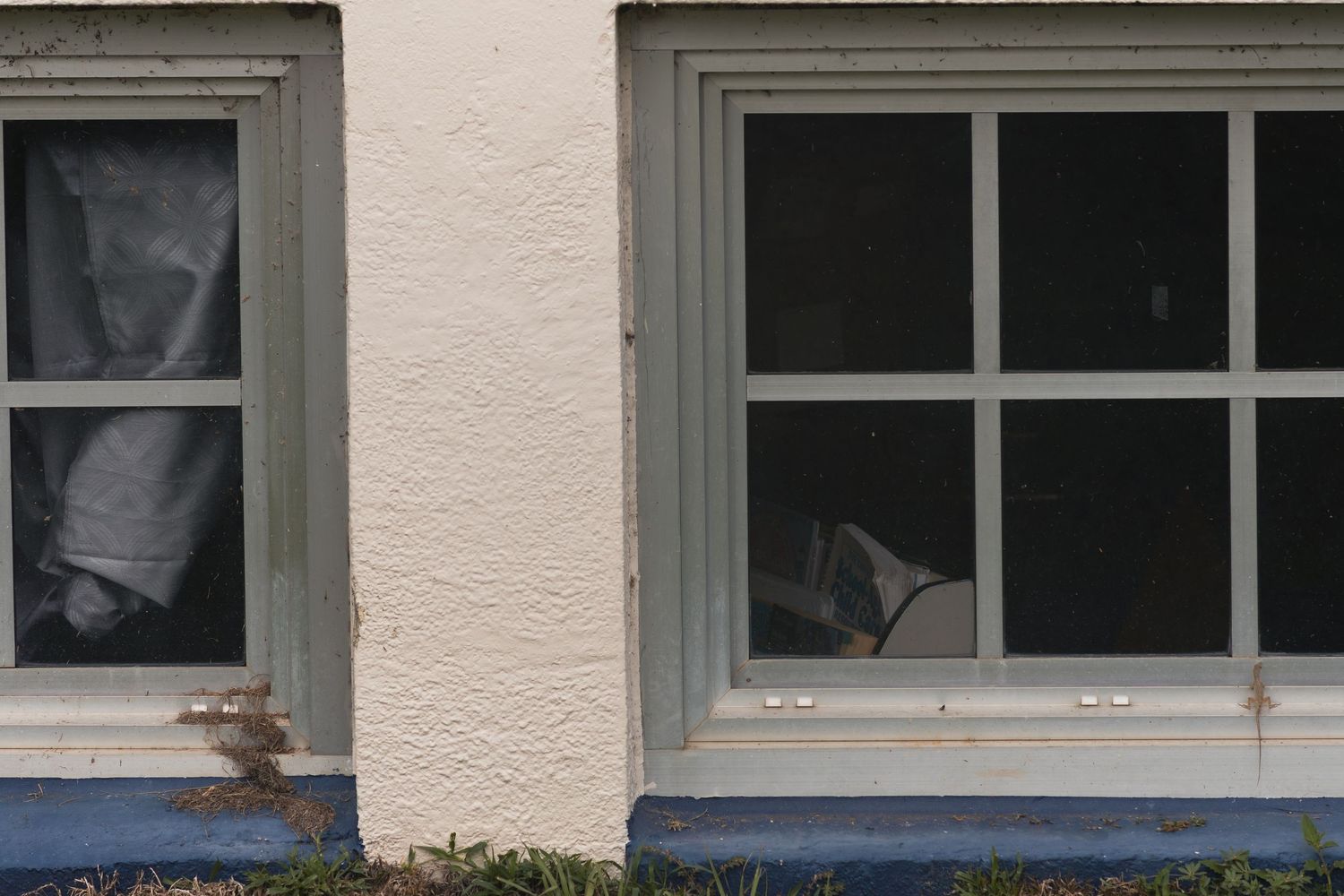
Visible through the low windows were chairs stacked on top of desks and disheveled curtains.
A bookcase in the library held a faded copy of The Complete School-Age Child Care Resource Kit from 1995.
I made my way back to the forgotten crocs. Now, only one remained where I had last seen it, the other had migrated out into the street.
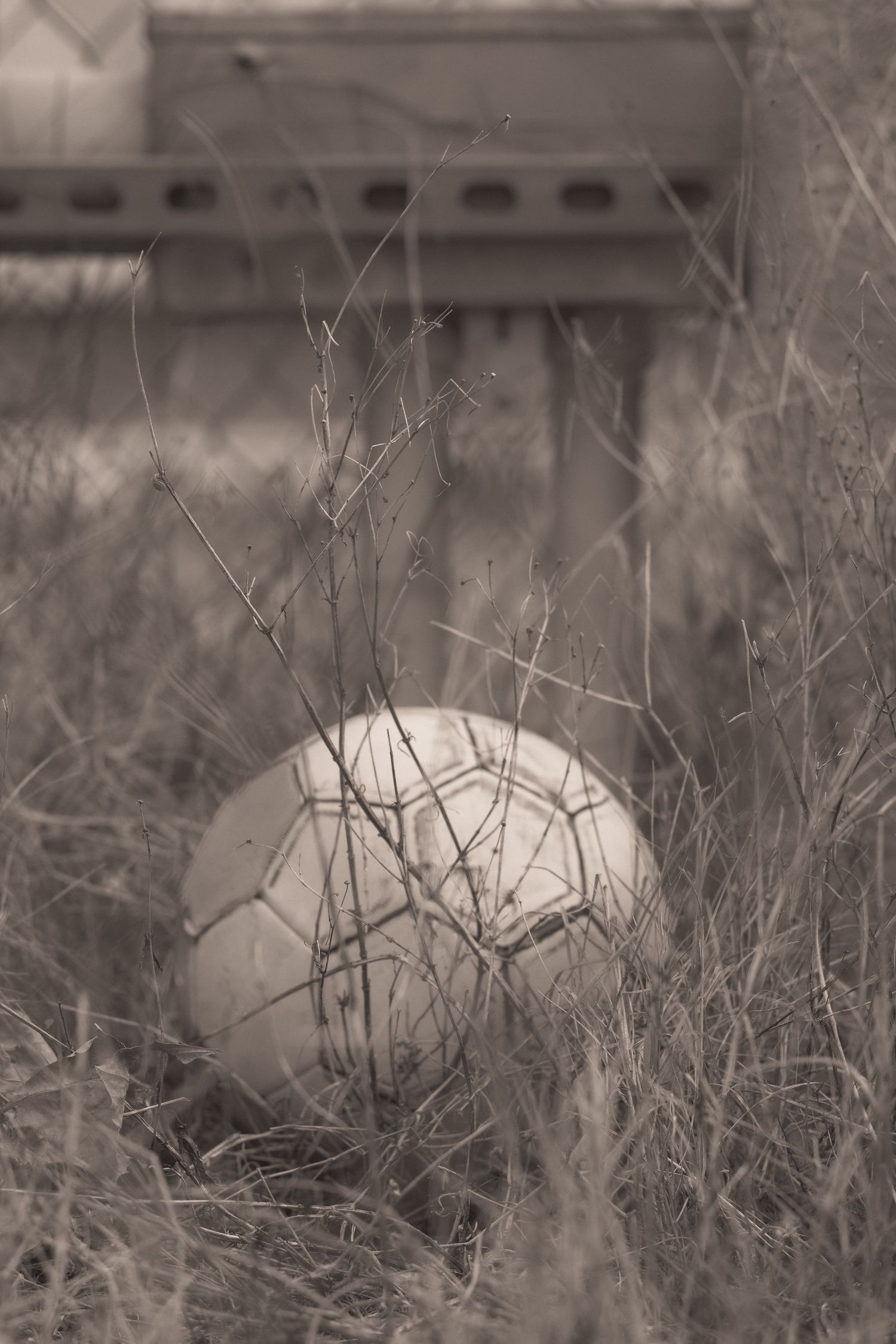
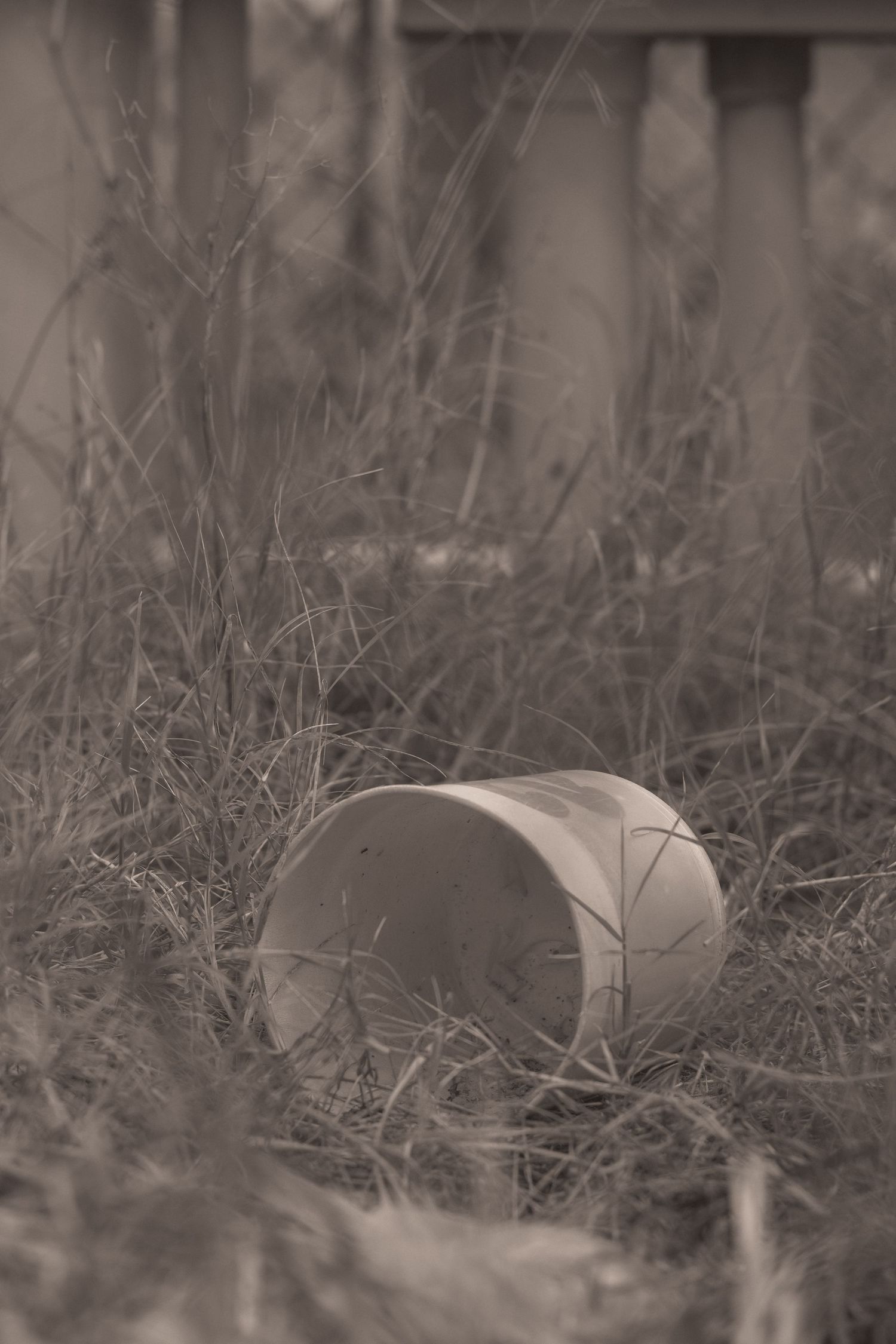
At the playground, a soccer ball and bucket stood trapped inside an equipment enclosure.
The stretched out slinky had completely disappeared.
As I rounded the corner, a man farther down the road called out to see if he could ask me a question.
As I approached, he said “Can I ask why you’re taking photos of a school?”
I let him know that I am approaching the campus as an architect and documentarian, and that I emailed the principal letting them know I would be taking photos from the public right-of-way while school was out of session. He nodded and noted that if I were there during the school year, he would look at it differently.
I mentioned the upcoming renovation of the school, and his expression softened. He told me he always keeps an eye on the children and that he would continue looking after the school while it was under construction. Living across the street, he is deeply invested as a neighbor. He ended the conversation by telling me to have fun with my photography.
I wrapped up shortly after and met up with my husband and daughter.
Our daughter asked us why the school had to go away. We explained that a new school would be very welcome by the students and that the old one simply wasn’t in the best shape anymore.
My husband was surprised see it in such a state of decline. He wondered aloud if he had spent his life looking through rose-colored glasses, or if details really just get that unclear when filtered through memories so young.
When I asked him if he felt anything seeing the old school again, he shook his head.
“No, not for the school.”
The house he left behind was what he missed most.
The building had been a backdrop to a chapter of his life. The people are what mattered.
With both of us carrying so much history in the same town, it's fascinating to discover where our experiences diverged and where they unexpectedly overlap.
We could have crossed paths countless times as children without ever noticing one another.
At a library.
On a playground.
In a grocery store checkout line.
Only later would we meet in middle school and become friends in high school.
Now our daughter is creating memories of her own in the same town.
She visits many of the same parks, libraries, and streets that shaped us.
Three childhoods.
One town.
The same places continuing to hold new stories as the old ones fade into memory.